
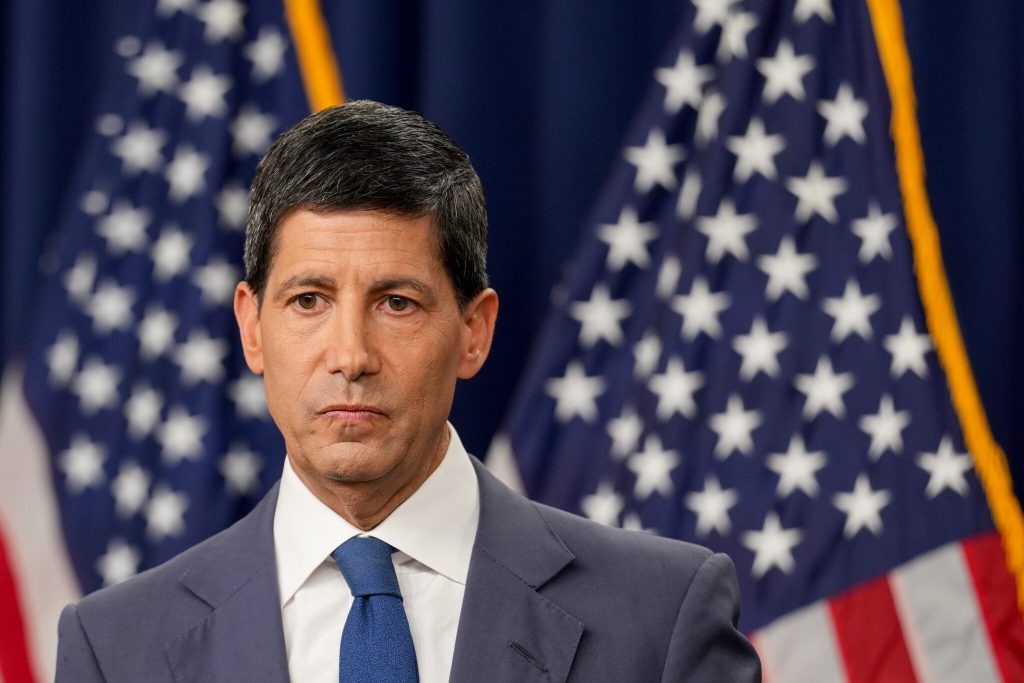
In recent weeks, the spotlight has turned to the Federal Reserve and its leadership as a group of Democratic lawmakers has called for increased transparency regarding communications between the Fed’s newly appointed Chairman, Kevin Warsh, and President Donald Trump. This request, articulated through an official letter, underscores the vital principles of accountability and independence that underpin the operations of central banks. As the economic landscape continues to evolve, understanding the dynamics of such interactions becomes crucial for investors and traders alike.
The call for transparency from Senators Chris Van Hollen, Jack Reed, Angela Alsobrooks, and Elizabeth Warren reflects a growing concern among some lawmakers about the influence of political conversations on monetary policy. Since taking the helm of the Fed in May, Warsh has reportedly engaged in several discussions with Trump. While these conversations have primarily revolved around the Fed’s economic forecasts and general policy outlook, the senators’ insistence on disclosure highlights a broader issue: the need to maintain the Fed’s independence from political pressures.
The Federal Reserve plays a pivotal role in shaping the nation’s monetary policy, primarily through setting interest rates and regulating the money supply. With the economy navigating through various challenges, including inflation and employment rates, the Fed’s decisions can have far-reaching implications. Therefore, the integrity of its decision-making process is of paramount importance. The senators argue that transparency regarding communications with the White House is essential to preserve the Fed’s ability to operate independently and effectively.
The letter from the Democratic lawmakers explicitly draws attention to the importance of transparency in fostering trust in the Fed’s operations. The senators contend that a clear and open communication channel can bolster public confidence in the Fed’s policies and decisions. As the guardians of monetary policy, the Fed must demonstrate that it can act without undue political influence. This assertion aligns with Warsh’s publicly stated commitment to uphold the Fed’s independence, a principle that has historically been fundamental to the institution’s credibility.
Key points stemming from this situation include the following:
1. **Independence from Political Influence**: The Fed’s ability to make impartial decisions is crucial for maintaining economic stability. Any perception of political interference can undermine public trust and market confidence.
2. **Public Accountability**: By disclosing conversations with political leaders, the Fed can reinforce its commitment to transparency and accountability, ensuring that its actions are based solely on economic data and analysis rather than political agendas.
3. **Impact on Monetary Policy**: The Fed’s decisions on interest rates and other monetary measures directly affect the economy. Understanding the nuances of its communication with the executive branch can provide insights into potential policy shifts.
For traders and investors, this situation presents several insights. The relationship between the Fed and the White House is a barometer for potential shifts in monetary policy. Traders should closely monitor any developments regarding Warsh’s conversations with Trump, as they could signal changes in interest rates or other significant policy adjustments. Additionally, understanding the broader context of these interactions can help investors anticipate market reactions to Fed announcements.
Furthermore, as the Fed grapples with the complexities of current economic challenges, its communication strategy will be critical. Traders should pay attention to the Fed’s public statements and any indications of its approach to maintaining independence from political pressures. A transparent Fed is more likely to foster a stable trading environment, as investors feel more secure in the predictability of monetary policy.
In conclusion, the recent call for transparency regarding communications between Federal Reserve Chairman Kevin Warsh and President Donald Trump highlights a critical issue at the intersection of politics and monetary policy. As the economic landscape continues to shift, the importance of maintaining the Fed’s independence cannot be overstated. For traders and investors, staying informed about these developments is essential for navigating the complexities of the financial markets. In an era where transparency is increasingly demanded, the Fed’s ability to uphold its commitment to independence will play a significant role in shaping both economic outcomes and investor confidence.