
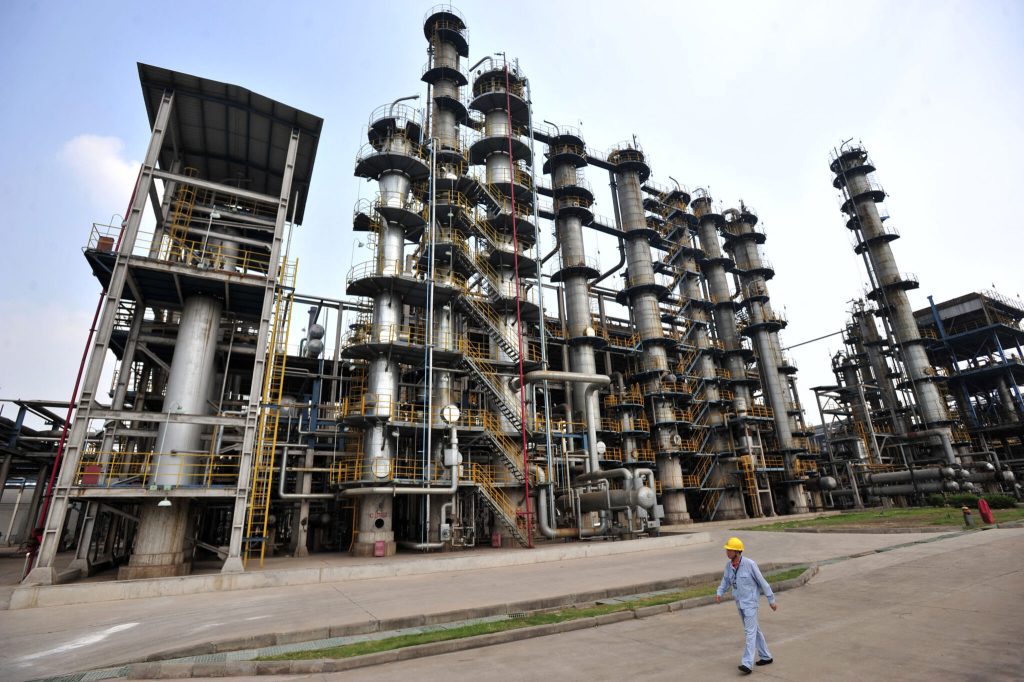
The oil market is witnessing a significant shift as Chinese refiners aggressively seek Iraqi crude, highlighting the ongoing strength of oil exports from the Persian Gulf region amidst geopolitical tensions and shipping challenges. In recent weeks, major players in the refining sector, including the independent firm Rongsheng Petrochemical and various state-run processors, have secured substantial quantities of Iraq’s Basrah crude oil. This trend not only underscores the resilience of oil supply chains but also reflects the evolving dynamics of global energy demands.
As the geopolitical landscape in the Middle East remains fraught with uncertainty, especially with the ongoing conflicts involving Iran, the ability of oil producers to maintain export levels is crucial. Reports indicate that at least 8 million barrels of Iraq’s Basrah grade oil have been earmarked for prompt delivery to China, with ongoing negotiations suggesting that this number may increase. The continuous flow of oil from the Persian Gulf, particularly through the strategically significant Strait of Hormuz, is a key factor in sustaining global oil supplies.
Despite the risks associated with shipping in this region, including the potential for geopolitical disruptions, crude oil exports from Iraq have shown remarkable resilience. The head of Iraq’s state oil-marketing company recently announced that exports through the Strait of Hormuz had reached approximately 2 million barrels per day in August alone. This figure highlights Iraq’s commitment to maintaining its position as a reliable oil supplier, even in the face of external pressures.
The crude oil being shipped to China primarily consists of Basrah Heavy and Basrah Medium grades, with major sellers including China National Offshore Oil Corporation (Cnooc) and various global trading companies. Notably, some Basrah Medium crude has been sold at a premium of nearly $10 per barrel above the Dubai benchmark on a delivered basis. This premium pricing indicates a strong demand for Iraqi crude, particularly as Chinese refiners look to diversify their sources of supply amidst disruptions from other regions.
Interestingly, Iraq’s approach to exporting its crude differs from that of its regional neighbors, such as Saudi Arabia and the United Arab Emirates. Rather than managing its own shipping operations, Iraq has opted to incentivize other companies to transport its oil by offering attractive discounts. This strategy not only facilitates the movement of Iraqi crude to global markets but also helps to fill a supply gap for Chinese refiners who are facing challenges in securing oil from other sources, particularly as Saudi exports under long-term contracts are projected to remain low.
For traders and investors, the current situation presents a unique opportunity to capitalize on the shifting dynamics of the oil market. With Iraq’s increasing exports to China, there is potential for profitability in sectors tied to the transportation and refining of Iraqi crude. Companies like Vitol Group, TotalEnergies SE, and Abu Dhabi National Oil Company are playing pivotal roles in ensuring that Iraqi oil reaches customers around the world, further solidifying Iraq’s position in the global oil supply chain.
As Chinese refiners continue to navigate a complex landscape of supply shortages and geopolitical risks, the acquisition of Iraqi crude offers a viable solution to their operational challenges. The ongoing negotiations and purchases underscore the importance of flexibility and adaptability in the global oil market, where demand can shift rapidly in response to external factors.
In conclusion, the surge in Chinese demand for Iraqi crude oil serves as a testament to the resilience of oil exports from the Persian Gulf. Despite the backdrop of geopolitical conflicts and shipping challenges, Iraq has managed to maintain robust export levels, aided by strategic partnerships with global trading firms. For investors and traders, the evolving landscape presents both challenges and opportunities, making it essential to stay informed and agile in response to the fluid dynamics of the oil market. As the situation develops, keeping a close eye on Iraqi exports and Chinese refining needs will be crucial for making informed decisions in this ever-changing environment.