
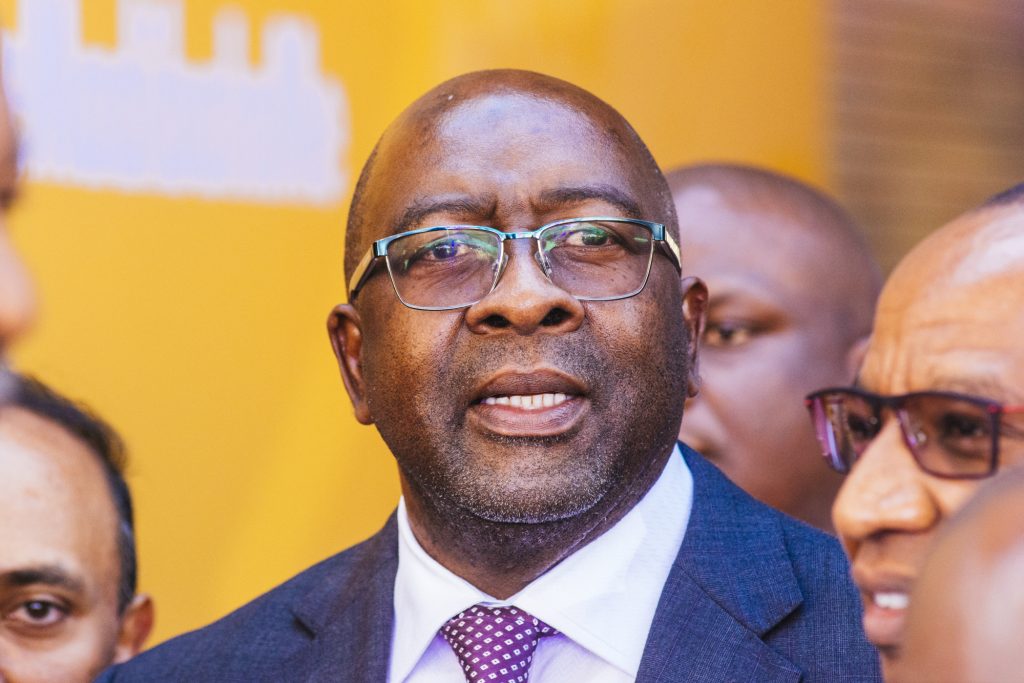
In a significant development for South Africa’s financial landscape, President Cyril Ramaphosa has appointed Nhlanhla Nene as the new chair of the Financial and Fiscal Commission (FFC). This appointment comes at a pivotal time for the nation, as the commission plays a vital role in shaping fiscal policy and advising parliament on financial matters. Nene’s extensive background in public service, including his stints as deputy minister and minister of finance, positions him uniquely to tackle the challenges ahead. This blog post delves into the implications of his appointment, the commission’s objectives, and what investors and traders should consider moving forward.
Nhlanhla Nene’s return to public service, after nearly a decade away from the political arena, has not gone unnoticed. His decision to accept the presidential appointment reflects a commitment to contribute positively to South Africa’s fiscal landscape. Nene expressed that as he was nearing retirement in the corporate sector, he felt compelled to apply his knowledge and experience to address pressing financial issues within the country. His familiarity with legislative processes and prior contributions to fiscal policy will be invaluable as he leads the commission.
The FFC is a constitutional body established to provide independent advice on fiscal matters, ensuring that financial resources are allocated effectively and equitably across provinces and municipalities. The commission’s role is particularly crucial in the context of South Africa’s ongoing economic challenges, including the need for fiscal discipline, sustainable public spending, and growth-oriented policies.
During his initial discussions regarding the commission’s objectives, Nene highlighted that the FFC’s primary mandate is to advise parliament. This involves providing insights into how public funds are utilized, assessing fiscal policies, and making recommendations to improve financial governance. While Nene has yet to formally assume his duties, the expectations are high for the commission to address several key areas, including budget transparency, equitable resource distribution, and enhancing the efficiency of public service delivery.
Key points to consider about Nhlanhla Nene’s appointment and the FFC’s mission include:
1. **Experience Matters**: Nene’s extensive background in finance and governance enhances the credibility of the FFC. His previous roles have provided him with a unique perspective on the intricacies of public finance, which will be crucial as he guides the commission.
2. **Focus on Accountability**: The FFC is expected to emphasize accountability in financial management. By advising parliament on effective fiscal policies, the commission has the potential to drive significant changes in how public funds are administered.
3. **Economic Challenges Ahead**: South Africa faces numerous economic hurdles, including high unemployment rates and slow growth. The FFC’s work will be vital in crafting policies that not only address these challenges but also stimulate economic recovery.
4. **Collaboration with Stakeholders**: The commission will need to engage with various stakeholders, including civil society, businesses, and government entities, to gather diverse perspectives and foster collaboration in overcoming fiscal challenges.
For traders and investors, Nene’s appointment could signal a renewed focus on fiscal responsibility and reform. As the FFC begins to outline its objectives, market participants should pay close attention to any forthcoming recommendations or changes in fiscal policy that could impact investment strategies. Improved fiscal governance and transparency may lead to increased investor confidence, potentially resulting in more stable economic conditions.
In conclusion, Nhlanhla Nene’s appointment as chair of the Financial and Fiscal Commission is a pivotal moment for South Africa’s financial governance. His wealth of experience and understanding of the complexities of public finance will be instrumental in navigating the nation’s fiscal landscape. As the commission prepares to tackle pressing economic challenges, stakeholders must remain vigilant and adaptable, recognizing the potential implications for fiscal policies and investment opportunities. In times of uncertainty, strong leadership and informed decision-making become essential, and Nene’s return to public service offers hope for a more responsible fiscal future.