
The construction industry is at a critical crossroads, facing scrutiny and potential overhaul in its regulatory framework following a series of tragic incidents that have underscored systemic issues within the sector. The recent collapse of multiple buildings in South Africa, which resulted in the loss of 17 lives and left 24 others injured, has prompted a thorough investigation into the underlying causes of these failures. As stakeholders in the industry grapple with the implications of these findings, it is clear that the path forward must prioritize safety and accountability to protect lives and ensure the integrity of the built environment.
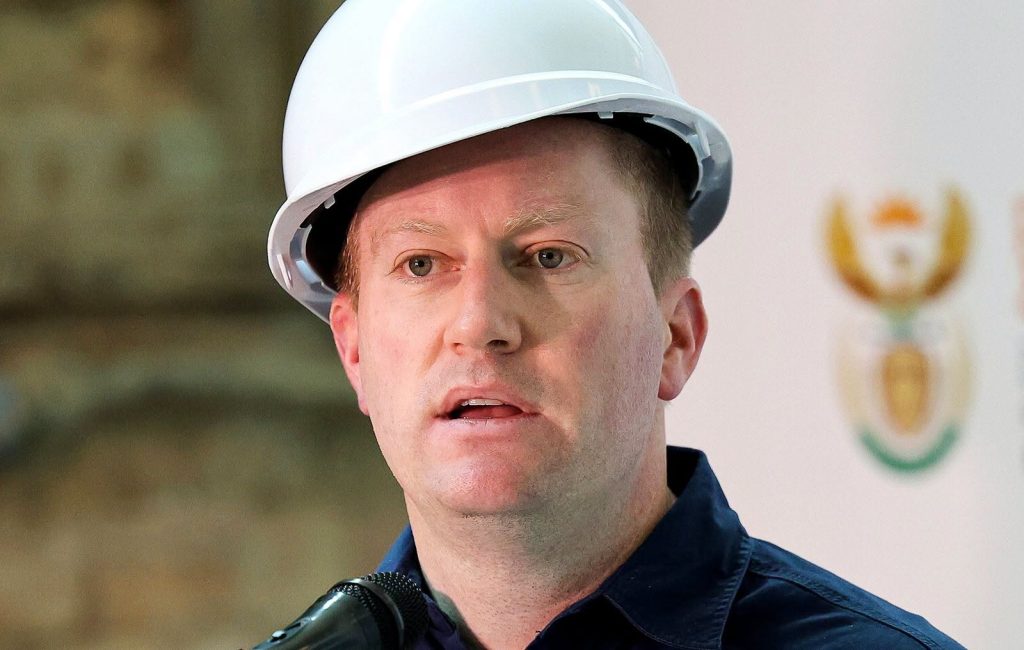
The call for reform comes from Minister of Public Works and Infrastructure Dean Macpherson, who has highlighted the concerning patterns identified by the Council for the Built Environment (CBE). Investigations into the collapses have revealed not only specific instances of negligence but also broader regulatory shortcomings that have allowed unsafe practices to persist. While the reports do not imply that every construction site in the country is hazardous, they do indicate a pressing need for a reassessment of current protocols and the enforcement of stricter regulations.
At the heart of this issue is the realization that the existing regulatory framework is insufficient to address the complexities of modern construction practices. Macpherson has pointed out that gaps in oversight have resulted in dangerous situations where unlawful construction has gone unchecked. Inadequate responses from regulatory bodies have limited their ability to intervene effectively, leading to a culture where compliance is often seen as optional. This alarming trend must change if the industry is to mitigate risks and protect lives.
The four building collapses that triggered this investigation occurred between December 2022 and March 2023, culminating in a particularly devastating incident on May 6, 2024, when a multi-storey residential building being constructed in George collapsed, resulting in 34 fatalities. These tragic events have sparked calls for a comprehensive review of the construction regulatory landscape, highlighting the urgent need for reform to prevent similar occurrences in the future.
Key takeaways from the investigations include the acknowledgment of regulatory gaps and the need for modernization of the construction oversight framework. Macpherson emphasized that simply adding new regulations will not solve the problem; instead, a critical evaluation of existing laws is necessary to identify areas that require updates or clarifications. For example, penalties for non-compliance must be reconsidered to ensure that they serve as a meaningful deterrent against unsafe practices. It is vital that stakeholders—from developers to contractors—recognize the serious implications of ignoring safety regulations.
Moreover, the reports have drawn attention to the need for stronger sanctions for violations that lead to death or serious injury. It is essential to establish a system where the financial repercussions of non-compliance outweigh any potential short-term gains from circumventing safety protocols. This shift in mentality is crucial for fostering a culture of accountability within the industry.
For traders and investors in the construction sector, these developments present both challenges and opportunities. On one hand, heightened regulatory scrutiny may lead to increased costs and delays in project timelines as companies adapt to new compliance requirements. On the other hand, firms that prioritize safety and invest in robust compliance measures may find themselves at a competitive advantage in a marketplace that is increasingly focused on ethical and responsible practices.
Investors should consider the long-term implications of these regulatory changes on companies within the construction industry. Firms that proactively address safety concerns and embrace reforms will likely emerge as leaders in a landscape that is evolving in response to public demand for accountability. This could lead to increased investor confidence and potentially higher valuations for companies that demonstrate a commitment to safety and regulatory compliance.
In conclusion, the construction industry stands at a pivotal moment in its history, with the recent building collapses serving as a wake-up call for all stakeholders involved. The need for a thorough overhaul of the regulatory framework has never been more evident, and the responsibility lies with both government authorities and industry professionals to take decisive action. By fostering a culture of accountability and prioritizing the safety of workers and the public, the construction sector can work toward a future where such tragedies are no longer a reality. As the regulatory landscape evolves, those who adapt and prioritize safety will not only protect lives but also position themselves for success in an increasingly conscientious market.