
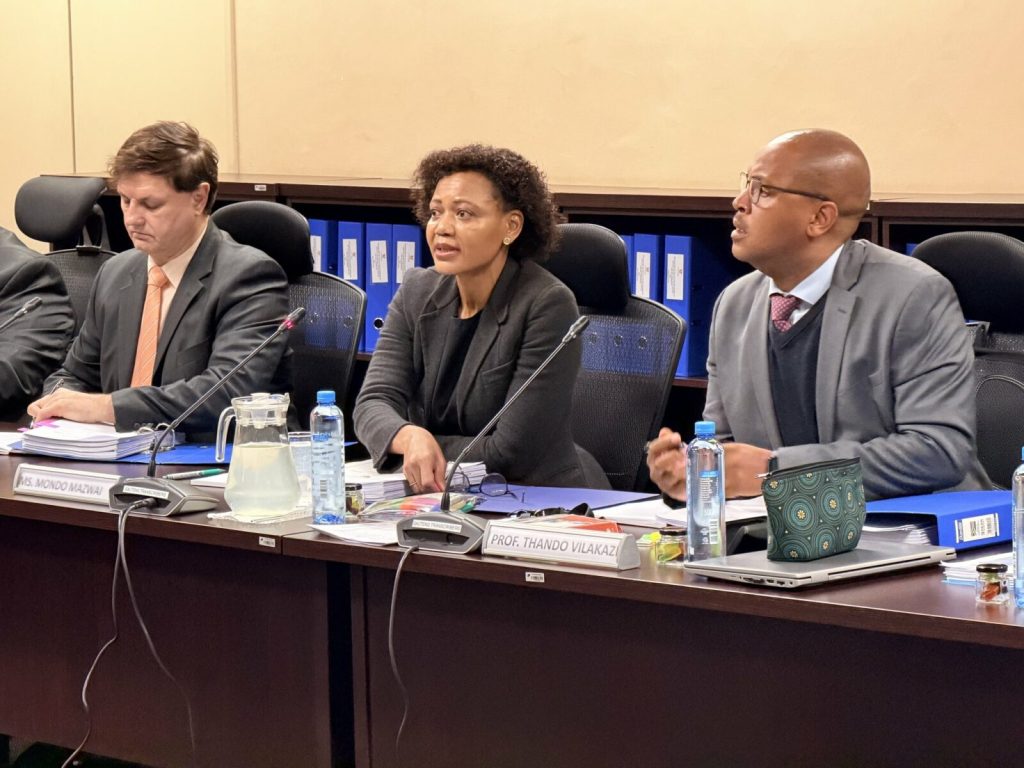
The ongoing situation at the Competition Tribunal involving serious allegations against its chair, Mondo Mazwai, has raised critical questions about workplace culture, leadership accountability, and the mechanisms in place to address allegations of misconduct. Despite over a year of complaints and appeals for intervention, the matter remains unresolved, leaving employees in a state of uncertainty and dissatisfaction. This blog post explores the allegations, the response from relevant parties, and the implications for workplace dynamics in organizations.
The allegations against Mondo Mazwai, who leads the Competition Tribunal, have been a topic of contention since they first surfaced more than a year ago. The National Education, Health and Allied Workers’ Union (Nehawu) has been at the forefront of these claims, describing the working environment under Mazwai as toxic due to reported incidents of bullying, harassment, and intimidation. These serious accusations are not mere whispers; they have reportedly led to the resignation of over 20 employees, including tribunal members, over the span of five years.
Nehawu’s regional office has taken a proactive stance, demanding action in light of the lack of progress in addressing the allegations. Despite numerous communications with the Minister of Trade, Industry and Competition, Parks Tau, there has been little to no resolution regarding the situation. The union has expressed frustration, stating that the toxic atmosphere persists, with no clear plan for remediation.
In June of last year, Nehawu formally reached out to Mazwai to address the concerns raised by tribunal employees. The complaints detailed instances where employees felt belittled and humiliated by her comments, leading to an urgent call for the appointment of a corporate culture specialist. This professional was envisioned to facilitate better relations between Mazwai and her staff, ideally creating a more positive workplace environment.
By September, the issue escalated, prompting Nehawu to write to Minister Tau, highlighting the ongoing abuse and victimization within the tribunal. The union’s correspondence described a culture of intimidation that had not only affected employee morale but had also led to an alarming turnover rate. The requests for intervention included an independent mediation process that would allow for a fair and unbiased approach to resolving the disputes.
The response from Minister Tau indicated recognition of the seriousness of the situation. He acknowledged that a significant breakdown in trust existed between the tribunal’s leadership and its employees. However, rather than taking immediate action, the minister advised Mazwai to recommence the process of hiring a corporate culture expert, urging her to collaborate with Nehawu in drafting terms of reference for this engagement. Despite these efforts, Nehawu expressed concern over the lack of transparent dialogue and meaningful engagement throughout the process.
Key takeaways from this situation highlight the importance of effective leadership in fostering a healthy workplace culture. First and foremost, leadership must prioritize communication and transparency, especially when dealing with allegations that can severely impact employee well-being and organizational integrity. Secondly, the appointment of independent mediators or specialists in corporate culture can be invaluable in addressing disputes and rebuilding trust. This incident serves as a reminder that unresolved issues can lead to a toxic work environment, increased turnover, and a damaged organizational reputation.
For traders and investors observing this situation, there are broader implications to consider. The culture and stability of leadership within organizations can affect their performance, employee retention rates, and ultimately their profitability. Investors should be cautious of companies where leadership issues are prevalent, as they may indicate underlying problems that could impact financial outcomes. Furthermore, organizations facing such scrutiny may see their market position weakened as employee dissatisfaction grows and public perception shifts.
In conclusion, the unresolved allegations against Mondo Mazwai at the Competition Tribunal serve as a crucial case study in workplace dynamics. The situation underscores the critical need for accountability in leadership and the importance of addressing employee grievances promptly and effectively. As this situation develops, it will be vital for all stakeholders, including the union, management, and the government, to work collaboratively towards a resolution that prioritizes employee welfare and organizational integrity. A failure to do so could have lasting repercussions not only for the tribunal but also for the broader market landscape.