
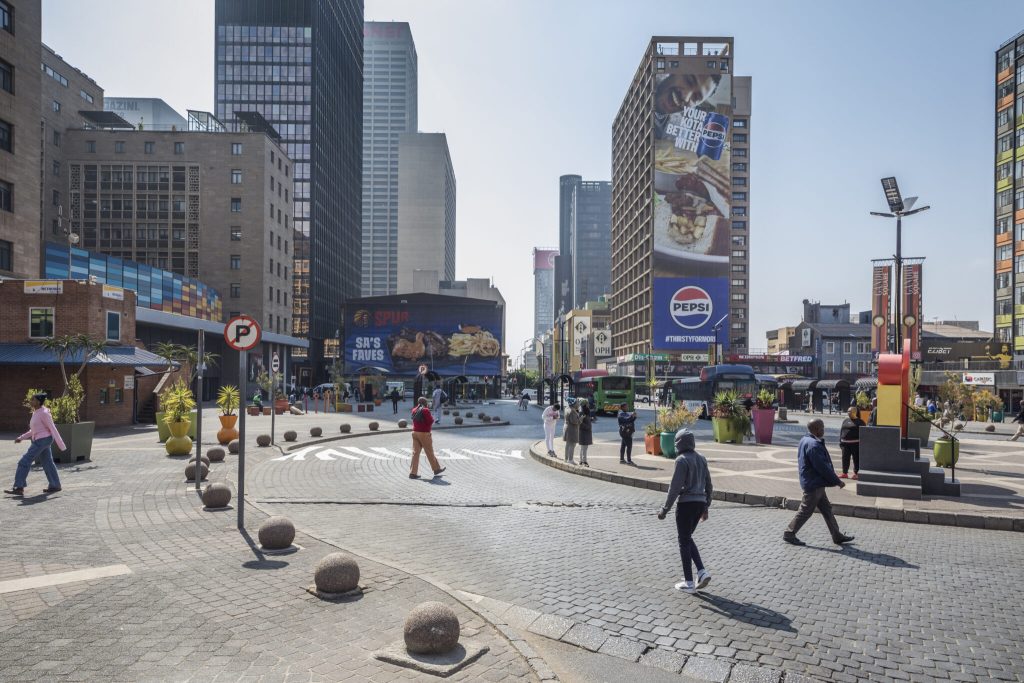
In recent years, the issues surrounding local governance in South Africa have come into sharp focus, revealing a troubling landscape that significantly affects everyday citizens. As municipal bills rise, households are feeling the financial pinch, while broader governance crises threaten the stability of cities like Johannesburg. In a revealing podcast episode, experts delve into these pressing issues, exploring how local leadership failures are impacting the lives of citizens, particularly women, and sharing insights from successful businesses that have emerged amid these challenges.
Local government is often the first point of contact for citizens with the state, and it plays a crucial role in delivering services, managing infrastructure, and ensuring community well-being. However, when municipalities fail to perform their core functions, the repercussions can be severe. As highlighted by Dr. Harlan Cloete, a research fellow in local governance, the inefficiencies and corruption within local government have resulted in households facing exorbitant municipal bills—some as much as R3,000 more each month than they should be paying. This financial burden is not just a statistic; it reflects the very real struggles of families trying to make ends meet in an already challenging economic environment.
The conversation around local governance doesn’t stop at financial implications. Ann Bernstein, executive director of the Centre for Development and Enterprise, emphasizes that the political and governance crisis in Johannesburg poses a significant threat not only to the city but to the entire country. The ripple effects of a failing municipality can undermine trust in public institutions, hinder economic growth, and exacerbate social inequalities. As Johannesburg grapples with leadership challenges and service delivery failures, the question arises: What can be done to restore faith in local governance and ensure a brighter future for its residents?
Moreover, the impact of these governance failures is felt acutely by women, who often bear the brunt of systemic issues. According to Dr. Reitumetse Mpholle, a senior manager of insights and research initiatives, many women feel let down by key institutions, including government, banks, and healthcare systems. These sentiments of disillusionment highlight a critical need for more inclusive and responsive governance that addresses the specific needs of all citizens, particularly marginalized groups.
In stark contrast to the challenges faced by local governance, the story of Yuppiechef, a well-known South African retail brand, offers a glimmer of hope. Co-founder Andrew Smith shared insights into building a successful business that has thrived despite the prevailing economic difficulties. Yuppiechef’s journey underscores the resilience and innovation that can emerge in challenging environments. It serves as a reminder that while local governance may falter, entrepreneurship can drive change and inspire communities to rally around shared goals.
Key Takeaways
1. Municipal mismanagement has led to skyrocketing bills for households, significantly impacting their financial stability.
2. The political crisis in Johannesburg could have far-reaching consequences for the entire country, undermining trust in public institutions.
3. Women are disproportionately affected by failures in local government, which highlights the need for more inclusive policies and practices.
4. Successful businesses like Yuppiechef demonstrate the potential for entrepreneurship to thrive even amid systemic challenges.
For traders and investors, these developments present both challenges and opportunities. The current environment underscores the importance of understanding local governance dynamics when evaluating investment prospects. Municipal instability can affect everything from property values to the viability of local businesses. Investors should be mindful of the socio-economic landscape and consider supporting initiatives that promote better governance and community engagement.
In conclusion, the issues surrounding local governance in South Africa are complex and multifaceted. The financial strain on households, the broader political implications, and the need for inclusive policies all point to a critical juncture for cities like Johannesburg. While the challenges are significant, they also present opportunities for change, innovation, and growth. By engaging with these issues and advocating for better governance, citizens, businesses, and investors can play a crucial role in shaping a more equitable and prosperous future for all.