
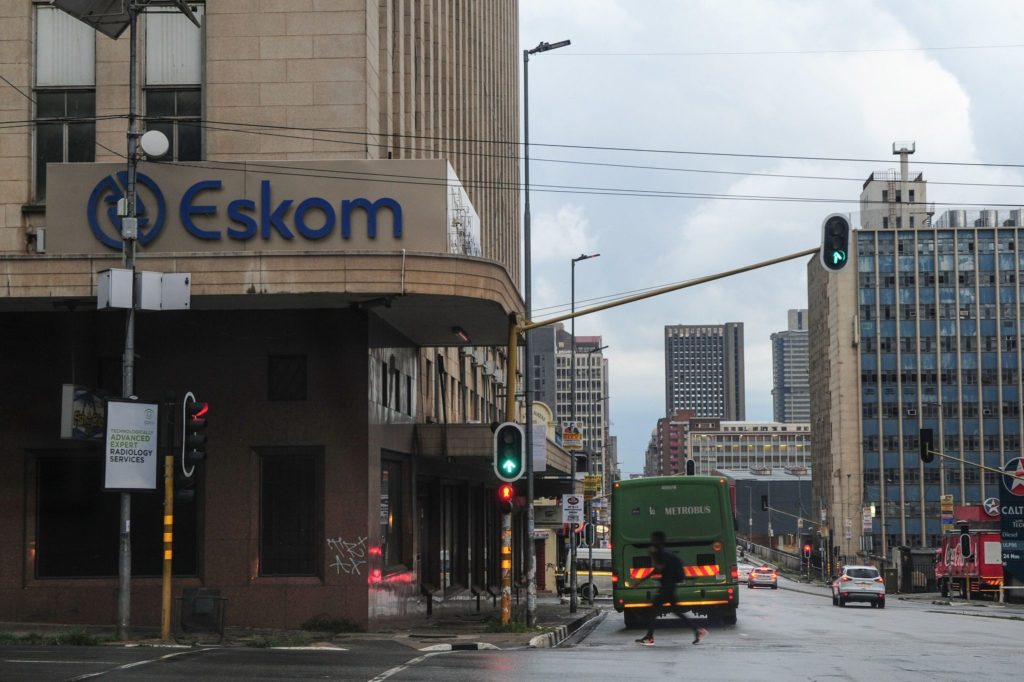
In a significant move that has far-reaching implications for the City of Johannesburg and its residents, the municipality has finally settled its outstanding electricity debt with Eskom, South Africa’s national power utility, by paying over R5.25 billion. This resolution comes after a series of interventions spearheaded by the Ministry of Electricity and Energy, aimed at addressing long-standing billing disputes that had previously jeopardized the stability of power supply in the region.
The resolution of this financial issue is not just a mere transaction; it represents a concerted effort to restore trust and accountability between the City of Joburg (CoJ) and Eskom. The implications of this settlement will be felt across various sectors, influencing both residents and businesses alike.
The Journey to Settlement
The path to this financial resolution has been fraught with challenges. Eskom had previously raised alarms about the potential for power cuts affecting key areas in Johannesburg due to the city’s growing debt, which had escalated to R7 billion. The situation necessitated urgent discussions among various stakeholders, including leadership from the municipality, City Power, and Eskom.
Through the intervention process initiated by the Ministry of Electricity and Energy, a structured dialogue was established, allowing the involved parties to negotiate the terms of repayment and ultimately settle the outstanding balances. With the payment now made, Eskom has officially withdrawn the Promotion of Administrative Justice Act (PAJA) process that had been initiated to address the arrears, reflecting a commitment to moving forward collaboratively.
Key Takeaways from the Settlement
1. **Financial Responsibility:** The successful settlement of the debt marks a critical step towards financial responsibility for the City of Johannesburg. Mayor Dada Morero emphasized the importance of maintaining the current account and ensuring timely payments in the future.
2. **Investor Confidence:** The resolution is likely to bolster confidence among investors and businesses operating in Johannesburg. A stable power supply is crucial for economic activities, and this settlement helps to mitigate fears of power interruptions.
3. **Government Collaboration:** The intervention by the Ministry of Electricity and Energy showcases the effectiveness of government collaboration in resolving municipal issues. This model can serve as a blueprint for other cities facing similar challenges.
4. **Future Obligations:** While the city has made significant strides in settling its debts, it remains under scrutiny to prove its financial viability. The current account balance of R1.8 billion due by August 31, 2026, highlights the ongoing responsibility the city has to manage its finances prudently.
Insights for Traders and Investors
For traders and investors, the resolution of Johannesburg’s electricity debt presents both challenges and opportunities. The immediate impact of a stable power supply is likely to enhance operational efficiency for businesses, which can translate into improved profitability. This is particularly crucial for sectors heavily reliant on electricity, such as manufacturing and services.
Investors looking at Johannesburg as a potential market may find renewed interest in local stocks, particularly those tied to infrastructure and utilities. Additionally, the government’s collaborative approach may pave the way for further investments in public services, enhancing the overall quality of life and economic prospects in the city.
However, it is essential to remain vigilant. The city must continue demonstrating fiscal prudence to avoid future financial crises. Investors should closely monitor the municipality’s financial reports and governance practices to gauge the sustainability of this resolution.
Conclusion
The settlement of the electricity debt by the City of Johannesburg marks a pivotal moment in the municipality’s ongoing journey toward financial stability. While the immediate crisis has been averted, the city now faces the crucial task of ensuring that it can maintain this momentum. The importance of responsible governance, transparent financial practices, and effective communication with stakeholders cannot be overstated.
As Johannesburg moves forward, it serves as a reminder of the complex interplay between municipal governance and the economic health of a region. Stakeholders—ranging from residents to investors—should remain engaged and informed as the city navigates its path toward recovery and growth. The success of this settlement could very well set a precedent for how other municipalities address their financial challenges in the future.