
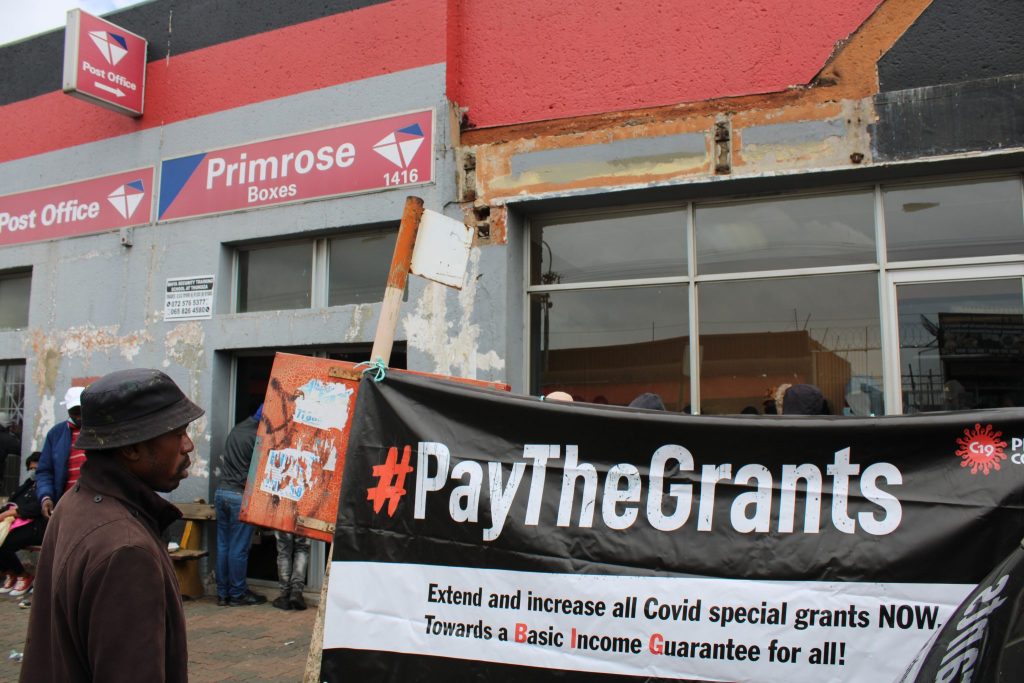
In recent years, South Africa has found itself at the forefront of a significant legal and social battle surrounding its digital social assistance program, particularly the Social Relief of Distress grant introduced in 2020. As the nation grapples with the implications of automating financial aid distribution, the courts have stepped in to address concerns over fairness and accessibility. This blog post will explore the intricacies of this digital program, the legal challenges it faces, the implications for millions of South Africans, and what investors and traders can glean from this situation.
The Social Relief of Distress grant was designed to provide temporary financial assistance to the most vulnerable members of South African society, especially in the wake of economic hardships exacerbated by the COVID-19 pandemic. Initially, it aimed to assist approximately 18.3 million people by offering a grant of R370 per month. However, this amount is significantly below the food poverty line, raising questions about the adequacy of the support provided.
The South African Social Security Agency (SASSA) launched this initiative as a digital-first program, leveraging automated systems to streamline the application process. Unfortunately, the reliance on these automated decision-making systems has become a focal point of contention. The process involved verifying applicants’ income through automated checks against bank data and government records, leading to a dramatic drop in successful applications—from 16 million recipients at its inception to just 5.6 million by 2022. This reduction not only affected individuals in desperate need but also allowed the government to slash the budget for the grant by billions of rands.
The legal dispute began when the Institute for Economic Justice and the #PayTheGrants movement took action against the government. They argued that the digital process, which favored automation over human judgment, violated constitutional obligations. Under South Africa’s constitution, citizens have the right to progressively access social assistance, meaning that the government must work toward ensuring these rights are fulfilled over time. The plaintiffs contended that the new regulations led to irrational and unfair denials of assistance to eligible individuals.
In January 2025, the High Court ruled in favor of the plaintiffs, declaring several regulations unconstitutional, including those that mandated automated bank verifications. This decision underscored the need for a more equitable approach to social assistance, emphasizing the importance of human oversight in the decision-making process. The government has since appealed this ruling, and the case is set to be heard in the Supreme Court of Appeal, marking a critical juncture in the ongoing legal saga.
Key takeaways from this situation include the importance of balancing technological efficiency with human oversight in welfare programs. While automation can streamline processes and reduce administrative burdens, it can also lead to significant gaps in accessibility and fairness. This case serves as a stark reminder that technology should be harnessed to enhance human welfare rather than replace the essential human element in decision-making.
For investors and traders, the implications of this legal battle extend beyond the immediate concerns of social justice. The ongoing discourse around digital social assistance touches on broader themes such as the role of technology in governance, the impact of policy decisions on economic stability, and the potential for social unrest when vulnerable populations feel neglected. A failure to adequately support the disenfranchised could lead to increased economic instability, which would affect market conditions and investment strategies.
Moreover, the outcome of this case could set a precedent for how other countries implement and regulate digital welfare systems. As nations worldwide explore automated solutions for social assistance, the South African experience may serve as a cautionary tale about the risks of sidelining human judgment in favor of efficiency.
In conclusion, the legal challenges facing South Africa’s digital social assistance program highlight the critical need for a balanced approach that prioritizes both technological innovation and equitable access to essential services. As the Supreme Court prepares to hear the appeal, the outcome will undoubtedly have far-reaching consequences for millions of South Africans and could inform global best practices for digital welfare systems. Investors should remain vigilant and consider the socio-political landscape when making decisions, as the implications of this case extend far beyond the courtroom and into the heart of society.