
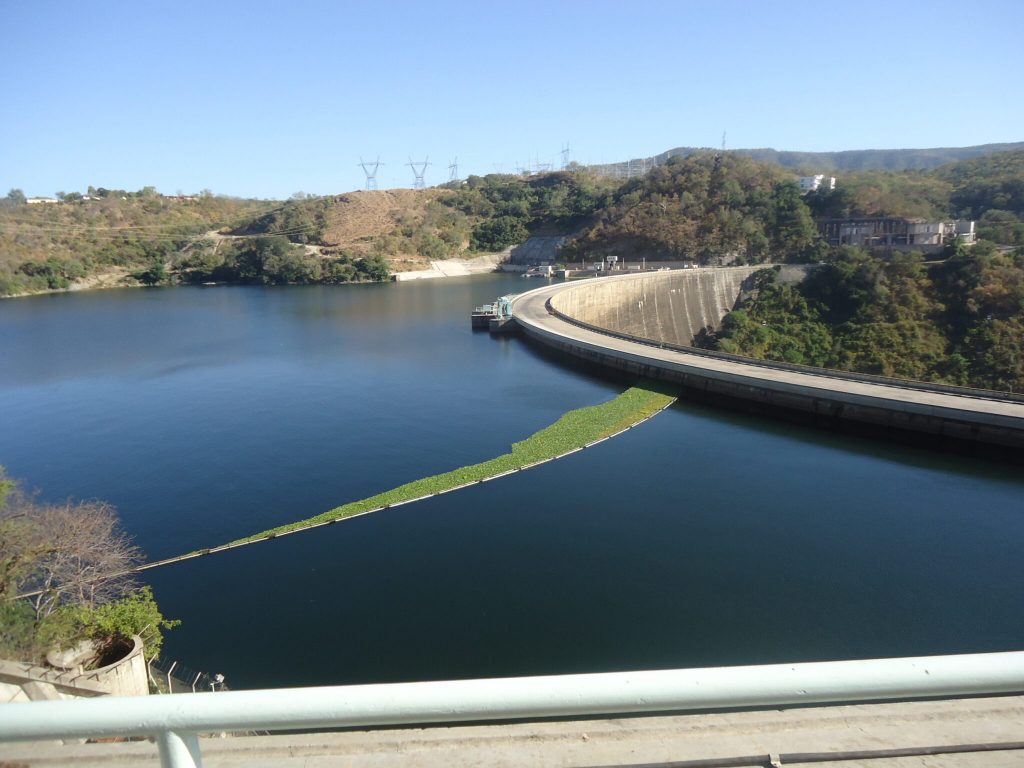
The serenity of a picturesque lake can often be deceiving, masking the potential dangers that lurk beneath its surface. Such was the case on August 11, 2023, when the Kariba Ferry KF 551 set out from Kariba Harbour in Zimbabwe, carrying far more passengers than it was designed to hold. This tragic event has raised critical questions about maritime safety regulations and the responsibilities of transport authorities, particularly in regions where such disasters can have devastating impacts on communities.
On that fateful day, the Kariba Ferry, over four decades old and operated by the government’s Rural Infrastructure Development Agency, embarked on a routine journey to deliver goods and transport people to remote fishing villages along the shores of Lake Kariba. This vast lake, straddling the border between Zimbabwe and Zambia, is not only a vital lifeline for local communities but also a renowned tourist destination. However, on a day when severe weather warnings had been issued due to strong winds and rough waters, the ferry’s departure was a decision fraught with peril.
According to reports from the Water and Inland Department, a safety advisory had been circulated, urging vessels to remain docked due to the hazardous conditions. Despite this warning, the ferry left the harbor with an astonishing 171 individuals on board—nearly double its legal capacity of 90 passengers. Among the passengers were 114 adults, five crew members, and an unknown number of children, whose presence went undocumented because children under the age of four do not require tickets.
The situation quickly escalated into chaos. Crew member Anymore Chambati recounted the harrowing moments leading up to the disaster, describing how the ferry began taking on water and panic ensued as passengers struggled to find safety. The overcrowding issue was compounded by a significant amount of luggage and commercial cargo, much of which was carelessly stacked atop life jackets, rendering them inaccessible during the emergency. The lack of mandatory life jacket use for all passengers raised further concerns about safety protocols and oversight.
Tragically, the ferry capsized approximately 16 kilometers from Kariba Harbour, near Long Island. The response to this disaster was swift, with local authorities, police, and boats from nearby resorts joining forces in a desperate rescue operation. Many lives were saved thanks to the heroic efforts of rescuers and bystanders, but the incident also highlighted severe lapses in safety measures that could have prevented such a catastrophe.
There are several key takeaways from this tragic event. Firstly, the importance of adhering to safety regulations cannot be overstated. The decision to sail under dangerous conditions not only put the lives of passengers at risk but also undermined the credibility of the agency responsible for public transport safety. Moreover, the incident underscores the need for rigorous enforcement of capacity limits and safety protocols.
Secondly, this disaster serves as a reminder of the crucial role that training and preparedness play in emergency response scenarios. The ability to quickly access life-saving equipment and ensure that all passengers are properly equipped with life jackets is essential for minimizing casualties during maritime emergencies.
For traders and investors looking at the broader implications of this tragedy, there are several insights to consider. The tourism sector in Zimbabwe, which heavily relies on the safety and reliability of transport services like the Kariba Ferry, may face significant repercussions in the wake of this disaster. Public confidence in maritime travel could be shaken, leading to a decline in visitor numbers and a potential downturn in local economies that depend on tourism revenue.
Furthermore, there may be increased governmental scrutiny and regulatory changes in the wake of this incident. Companies operating in the maritime sector could face stricter compliance requirements, impacting operational costs and profit margins. Investors should monitor these developments closely, as they could have far-reaching effects on the industry.
In conclusion, the tragic sinking of the Kariba Ferry KF 551 serves as a sobering reminder of the critical need for robust safety measures and regulations in the maritime sector. As communities mourn the loss of life and grapple with the aftermath of this disaster, it is imperative that lessons are learned to prevent future tragedies. Ensuring the safety of passengers should always be the top priority, and it is the responsibility of authorities and operators alike to uphold high standards of care and vigilance in the face of potential dangers.