
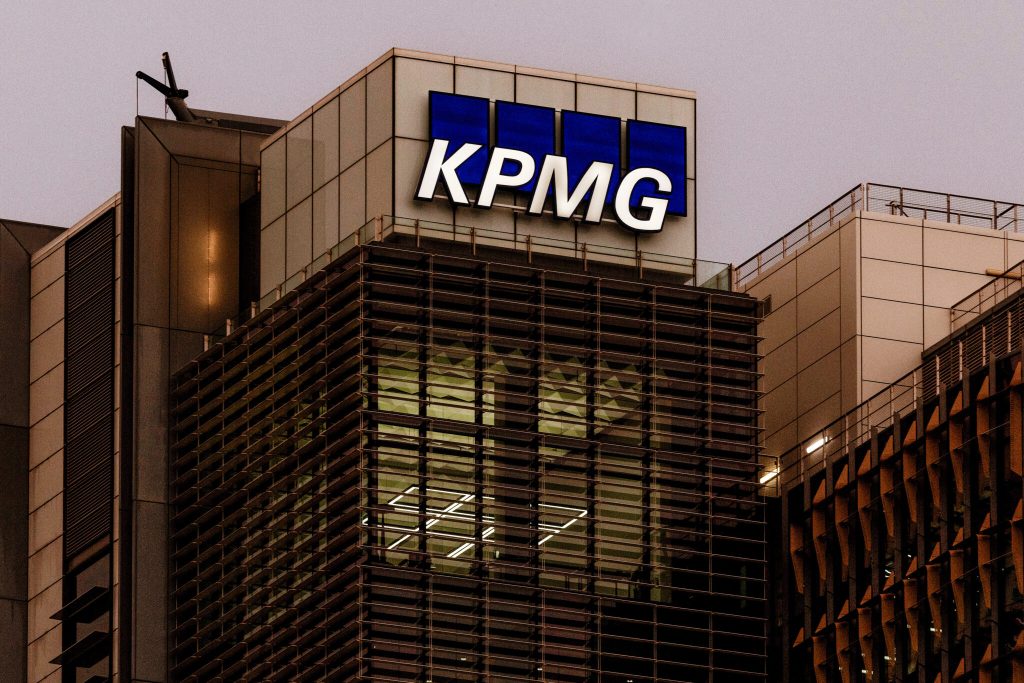
In a significant development for the consulting industry, KPMG Australia has announced plans to lay off nearly 400 employees as it grapples with the repercussions of a scandal involving the alleged misuse of confidential client information. This decision comes at a time when demand for consulting services is waning, highlighting the broader challenges that the firm and the industry as a whole are facing. As KPMG seeks to navigate these turbulent waters, the impact on its workforce and the implications for the consulting sector warrant a closer examination.
KPMG Australia, one of the country’s leading consulting firms, has revealed that it will reduce its workforce by approximately 5%, which translates to a cut of 360 employees and 27 partners. This decision is a direct response to a combination of factors, including a decline in consulting revenue and the fallout from the ongoing scandal that has tarnished the firm’s reputation. According to a recent statement, KPMG’s total revenue dropped by 1% to A$2.26 billion (around $1.6 billion) for the year ending in June, with consulting revenue—the firm’s largest revenue stream—plummeting by 17% to A$632 million. Additionally, average remuneration for equity partners fell by 13%, underscoring the financial strain the firm is experiencing.
The challenges facing KPMG Australia are not just financial but also reputational. The firm has been under intense scrutiny following allegations that it mishandled confidential information from clients, including the property developer Lendlease Group, in order to secure new contracts. This breach of trust has resulted in significant criticism from clients and stakeholders alike, with Optus Chairman John Arthur characterizing KPMG’s actions as an “egregious breach” of responsibilities during a recent parliamentary hearing. Such public discontent has prompted sweeping leadership changes within the firm, including the departure of former Chairman Martin Sheppard and other high-ranking executives.
In light of these challenges, KPMG Australia is taking steps to reassess its operations and future workforce requirements. The firm has indicated that it is simplifying its structure to foster more cohesive teams and align more closely with its global advisory services. New CEO John Sams has expressed an understanding that the difficult market conditions are likely to persist, with economic growth expected to remain sluggish until at least 2028. He also pointed to the increasing influence of artificial intelligence and reduced government spending as additional pressures on the consulting sector.
For investors and industry observers, there are several key takeaways from KPMG Australia’s current predicament. First, the firm’s decision to cut jobs signals a need for adaptability in the face of evolving market dynamics. As the demand for traditional consulting services wanes, firms may need to pivot towards new technologies and service offerings, particularly those incorporating AI and digital solutions. Second, the ongoing scandal serves as a cautionary tale about the importance of maintaining ethical standards and client confidentiality within the consulting industry. The fallout from such breaches can lead to long-term reputational damage and financial repercussions.
Moreover, the scrutiny on KPMG has broader implications for the entire professional services sector in Australia. The recent controversies have led the government to propose significant regulatory changes aimed at increasing oversight and accountability within the industry. These proposed changes could reshape the landscape for consulting firms, potentially leading to stricter compliance requirements and higher penalties for misconduct.
As KPMG Australia embarks on this challenging journey of rebuilding trust and restoring its reputation, it is essential for traders and investors to closely monitor the firm’s strategic decisions and market positioning. The results of ongoing internal and external reviews will likely play a crucial role in shaping the firm’s action plan moving forward. Investors should also consider the broader market trends impacting the consultancy landscape, including shifts in client demands and the adoption of new technologies.
In conclusion, KPMG Australia’s recent job cuts are a stark reminder of the challenges faced by consulting firms in a rapidly changing environment. The combination of a damaging scandal, declining revenue, and evolving market needs demands a reassessment of strategies and operations. As the firm works to regain trust and adapt to these new realities, it will be interesting to see how these developments unfold and what they mean for the future of the consulting industry in Australia and beyond.