
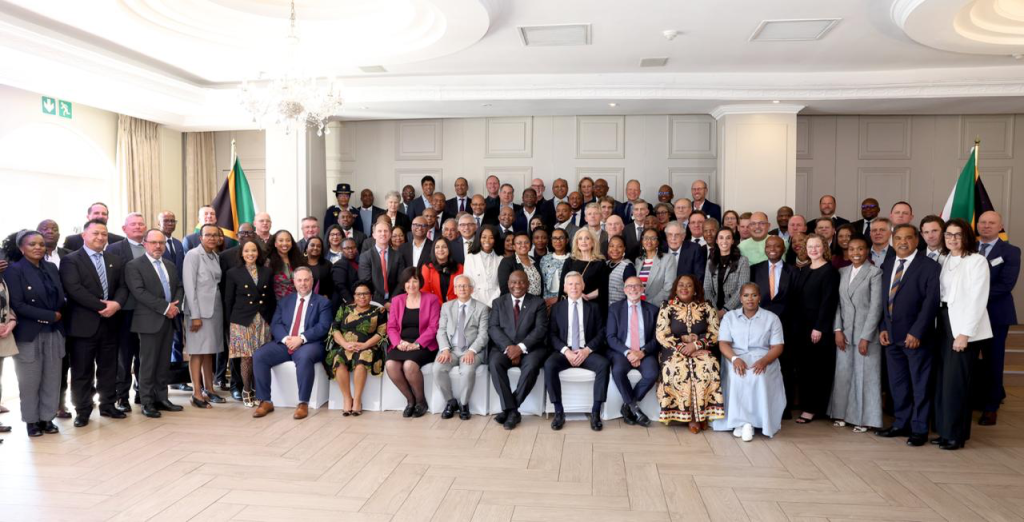
In recent times, South Africa has been grappling with economic challenges that many nations face, including the need for robust growth and job creation. The urgency of addressing these issues has led to a collaborative approach between the government and the private sector, aiming to achieve a growth target of 3% and create one million jobs. This initiative is not just a political talking point; it reflects a strategic effort to revitalize the economy and position South Africa as a global leader in critical sectors, particularly in rail infrastructure.
As various stakeholders come together to tackle these pressing challenges, several key themes emerge, shedding light on the complexities and opportunities within the South African economic landscape.
At the heart of the discussion is the role of Transnet, South Africa’s state-owned rail and freight transport company. With a renewed focus on enhancing its capabilities, Transnet is positioning itself as a leader in global rail. Nkululeko Gobhozi, a prominent figure in Transnet’s technology management, emphasizes the importance of modernizing rail infrastructure to facilitate freight recovery. This modernization is not merely about upgrading tracks and trains; it is about re-establishing South Africa as a competitive player in international logistics and trade. By improving efficiency and reliability, Transnet aims to attract more business and investment, ultimately contributing to economic growth.
However, the journey toward economic revitalization is fraught with challenges, particularly when it comes to corruption. Ayanda Seboni from the Professional Provident Society highlights the significant dangers faced by those who choose to stand against corrupt practices. The fight against corruption is crucial not only for ethical governance but also for creating a conducive environment for business. When corruption is prevalent, it stifles innovation, deters investment, and ultimately hampers job creation. Thus, addressing these issues head-on is essential for the long-term health of the economy.
Another critical aspect of this economic narrative is the role of small and medium enterprises (SMEs). Janice Johnston, CEO of Edge Growth Ventures, notes that while SMEs are increasingly winning contracts, they often struggle to survive in a competitive marketplace. This paradox raises important questions about the support structures available to these businesses. Many SMEs face significant barriers, including access to finance, skilled labor shortages, and the high cost of compliance with regulations. For SMEs to thrive and contribute to the economic landscape, more must be done to support their growth through mentorship, easier access to capital, and reducing bureaucratic red tape.
Key points from this economic discussion include:
1. **Collaborative Efforts**: The partnership between the government and the private sector is crucial for achieving ambitious growth and job creation targets.
2. **Rail Infrastructure’s Role**: Transnet’s modernization efforts are central to revitalizing South Africa’s position in global trade and logistics.
3. **Corruption Challenges**: Standing against corruption is vital for fostering a healthy business environment that promotes growth and innovation.
4. **SME Support**: Addressing the barriers faced by SMEs is essential for ensuring that they can thrive and contribute significantly to job creation and economic growth.
For traders and investors, the insights drawn from these developments are crucial. The government-business collaboration could signal a more stable economic environment, potentially leading to increased investment opportunities. The focus on rail infrastructure suggests that investors in logistics and transport may find promising avenues for growth. Moreover, as SMEs receive more support, they could become attractive investment targets, providing both financial returns and contributing positively to the broader economy.
In conclusion, South Africa stands at a pivotal moment as it seeks to navigate its economic challenges. The collaborative efforts between various stakeholders to push for growth and job creation are commendable and necessary. By addressing corruption and supporting SMEs, South Africa can lay a solid foundation for sustainable economic progress. As the country embraces its global leadership role in rail and logistics, there are significant opportunities for investors and traders to engage thoughtfully in this evolving landscape. The journey may be challenging, but the potential rewards are substantial for those willing to invest in South Africa’s future.