
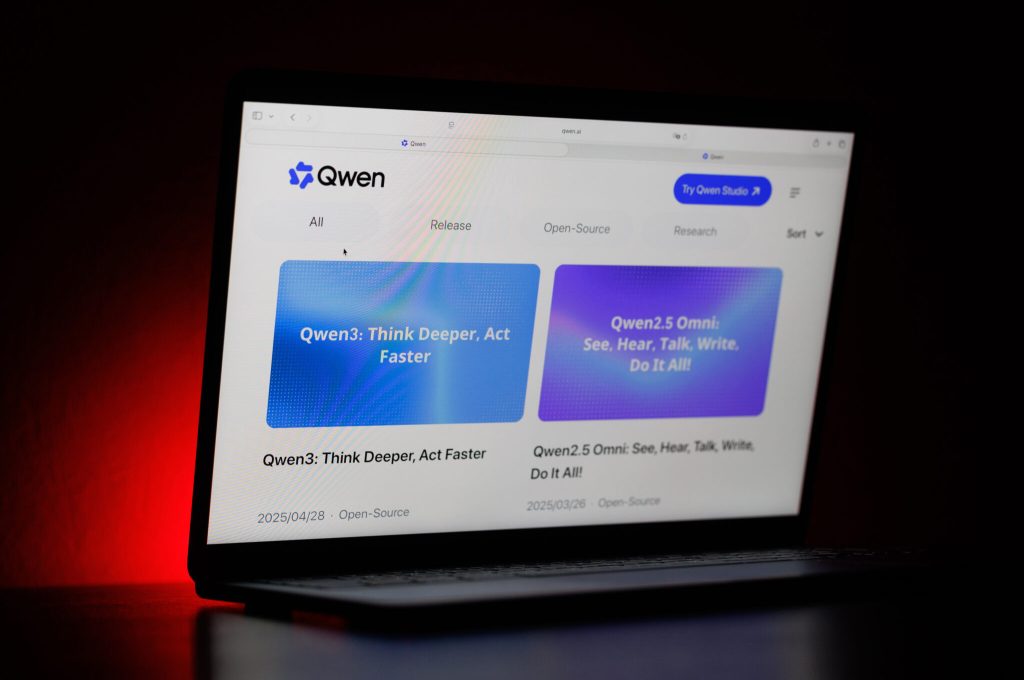
In a significant financial maneuver, Alibaba Group Holding has raised an impressive HK$80 billion (approximately $10.2 billion) through Hong Kong’s largest follow-on offering to date. This strategic move highlights the company’s strong commitment to becoming a leader in the rapidly evolving field of artificial intelligence (AI). Despite a notable dip in stock prices following the announcement, the overwhelming response from institutional investors indicates that confidence in Alibaba’s vision remains robust.
Alibaba’s recent capital raise involved the sale of 710 million shares priced at HK$112.70 each. While this pricing represented a slight discount of 3.6% compared to the closing price of its U.S.-traded shares, the offering attracted demand nearly three times the amount available. This enthusiastic response suggests that investors are keenly aware of the potential rewards associated with Alibaba’s aggressive push into AI, even amidst the backdrop of fluctuating market conditions.
The landscape of technology investment is fierce, particularly in China, where Alibaba is vying for supremacy against other industry giants. This latest capital injection is part of a broader strategy aimed at outpacing competitors in the AI sector, an area where Alibaba has made significant strides in recent years. The company has pledged to invest over 380 billion yuan (approximately $56.5 billion) over the next three years into various aspects of AI development, including advancements in chips, data centers, and large-language model technologies.
Key Takeaways from Alibaba’s Offering
1. **Major Capital Injection**: Alibaba’s HK$80 billion offering marks a pivotal moment in its financial strategy, reinforcing its commitment to AI development.
2. **Investor Confidence**: The high demand for shares reflects significant institutional investor confidence, even as Alibaba’s stock experienced a downturn.
3. **Competitive Landscape**: The investment underscores the intense competition within the AI sector, particularly against U.S. tech giants like Meta and Alphabet, which have made substantial financial commitments to AI advancements.
4. **Focus on Long-Term Growth**: Despite current economic challenges and a decline in online retail margins, Alibaba is prioritizing long-term competitiveness through increased capital expenditures.
5. **Leadership Investment**: The involvement of Alibaba’s top executives in purchasing company shares signals their confidence in the company’s direction and future profitability.
In light of these developments, investors and traders should consider several insights. First, Alibaba’s aggressive capital raising strategy may indicate a need for rapid growth and development to keep pace with global competitors. The decision to raise funds through equity rather than bonds could suggest that Alibaba anticipates requiring more substantial resources than initially projected to fuel its AI initiatives. Analysts have noted that while other Chinese AI firms, such as Baidu, are currently avoiding new share issuances, Alibaba’s approach implies a willingness to take calculated risks in pursuit of market leadership.
Furthermore, the burgeoning demand for AI technologies has led to escalating hardware costs, which could impact profit margins. As Alibaba positions itself against formidable rivals like OpenAI and Anthropic, it must navigate these financial pressures while continuing to innovate and improve its product offerings. The company’s cloud computing division, which has shown promising growth, remains a critical component of its overall strategy and could provide the necessary financial stability as it invests heavily in AI.
In conclusion, Alibaba’s latest capital raise is not merely a financial maneuver but a bold declaration of its intent to dominate the AI landscape. While challenges such as declining margins and stiff competition loom, the company’s substantial investment in technology and infrastructure reflects a long-term vision aimed at securing its future. Investors and traders should monitor Alibaba’s progress closely, as its ability to transform these investments into sustainable growth will be crucial in determining its success in the competitive world of artificial intelligence. As the landscape evolves, those who are attuned to Alibaba’s strategy may find opportunities for substantial returns in the years to come.