
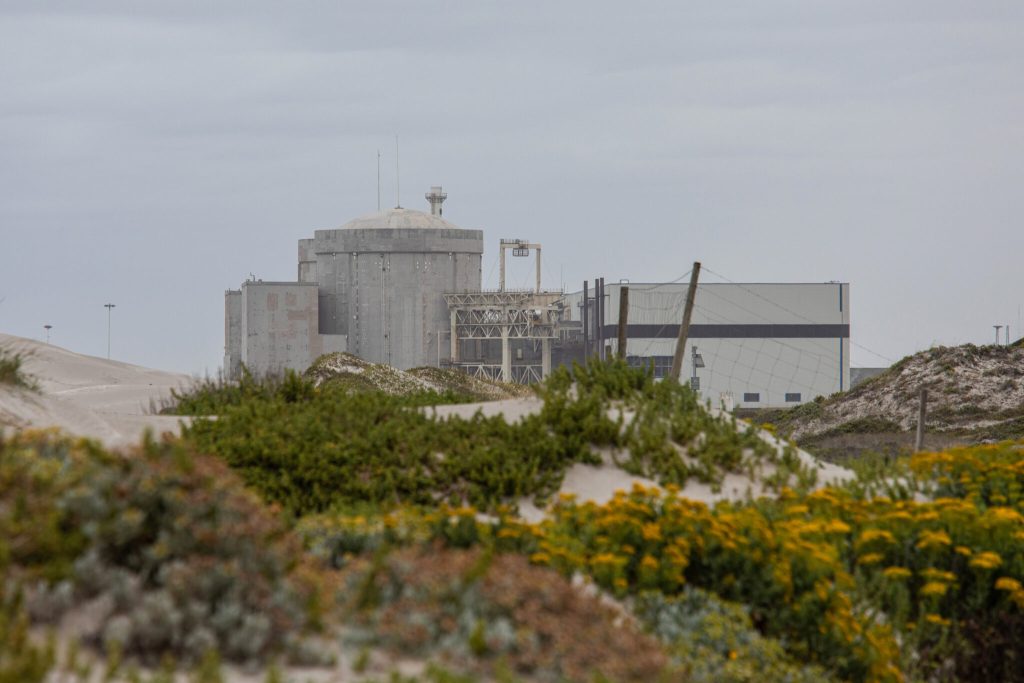
In a surprising twist of events, an environmental crisis has led to significant disruptions in South Africa’s power supply, highlighting the intricate and sometimes tenuous relationship between nature and energy production. The recent outbreak of a virus affecting sardines off the coast of South Africa has resulted in a dramatic reduction of electricity output from the Koeberg Nuclear Power Station, the country’s sole nuclear facility. This incident serves as both a warning and an opportunity for deeper consideration of the vulnerabilities within South Africa’s energy landscape.
The Koeberg plant, located near Cape Town, has the capacity to generate 1,800 megawatts of electricity. However, following a buildup of dead sardines in the seawater intake area, state power utility Eskom was forced to halve the output of one of its two operational units. The other unit was already offline for maintenance, thus compounding the situation. Eskom stated that a cooling pump automatically shut down due to the accumulation of marine debris, which led to a critical reduction in power generation. The phenomenon of increased sardine mortality off the southwestern and west coast of South Africa has been linked to an infection known as pilchard herpesvirus, as noted by the country’s Department of Environment.
This incident raises several important questions about the resilience and sustainability of South Africa’s energy infrastructure. For a nation grappling with consistent electricity supply issues, the reliance on a single nuclear plant highlights the fragility of its energy system. The Koeberg plant has faced scrutiny in the past, particularly concerning safety and contamination events. In light of this recent disruption, the focus on Koeberg’s operational integrity and environmental impact must intensify.
Key points emerging from this situation include:
1. **Environmental Impact on Energy Production**: The link between marine life and energy generation illustrates how environmental factors can directly influence power supply. As natural ecosystems face increasing threats from climate change and pollution, the energy sector must adapt to these realities.
2. **Vulnerability of Nuclear Facilities**: Nuclear power plants are often perceived as reliable energy sources. However, this incident underscores the risks associated with their dependency on external environmental conditions. The Koeberg plant’s reliance on seawater for cooling exemplifies how ecological disturbances can lead to operational challenges.
3. **Need for Diversified Energy Sources**: South Africa’s heavy reliance on a single nuclear facility underscores the need for a diversified energy portfolio. Exploring renewable energy sources, such as solar and wind, can enhance resilience against similar disruptions in the future.
4. **Regulatory and Safety Considerations**: The incident at Koeberg raises significant safety and regulatory concerns. As the country investigates the causes of sardine mortality, it is crucial for energy authorities to assess the implications for nuclear safety protocols and environmental regulations.
For traders and investors observing the South African energy market, this incident may signal potential volatility. The power outages resulting from the Koeberg disruption could affect various sectors, including manufacturing and services that depend heavily on consistent electricity supply. Investors should also keep an eye on Eskom’s operational strategies and any forthcoming government initiatives aimed at addressing the energy crisis.
Moreover, companies involved in renewable energy solutions may see a surge in interest as stakeholders recognize the need for more sustainable and resilient energy systems. This could pave the way for increased investment in alternative energy projects, positioning South Africa as a leader in renewable energy on the African continent.
In conclusion, the sardine die-off off South Africa’s coast not only presents immediate challenges for the Koeberg Nuclear Power Station but also serves as a critical reminder of the interconnectedness of environmental health and energy production. As the nation grapples with its energy needs, it must consider the broader implications of environmental changes and invest in sustainable solutions that ensure reliability and resilience in its energy framework. The recent incident should act as a catalyst for comprehensive discussions about the future of South Africa’s energy landscape, paving the way for innovations that embrace both ecological and economic sustainability.