
In a significant maneuver that underscores its ambitions in the burgeoning field of artificial intelligence (AI), Alibaba Group Holding has successfully raised an impressive HK$80 billion (approximately $10.2 billion) in Hong Kong’s largest follow-on offering to date. This strategic decision not only highlights the tech giant’s commitment to leading the global AI race but also reflects its readiness to invest substantial resources in the face of increasing competition from both domestic and international rivals.
Alibaba’s recent share offering involved the sale of 710 million shares at a price of HK$112.70 each. Despite the ambitious fundraising efforts, the company faced a notable decline in its stock price, plummeting 8.5%—its most significant drop since early 2025. The shares were priced at a 3.6% discount compared to the last closing price of Alibaba’s U.S.-traded stock. However, the offering attracted demand from institutional investors, who expressed interest that was nearly three times the available shares, suggesting a robust appetite for investments in the tech sector.
This capital infusion is a clear indication of Alibaba’s determination to outpace its competitors in the rapidly evolving AI landscape. Over the past few years, the company has strategically pivoted from being primarily an online retail entity to a formidable player in AI technology. To solidify its position, Alibaba has committed to spend over 380 billion yuan (around $56.5 billion) over the next three years, earmarked for advancements in AI infrastructure, including the development of chips, data centers, and sophisticated language models.
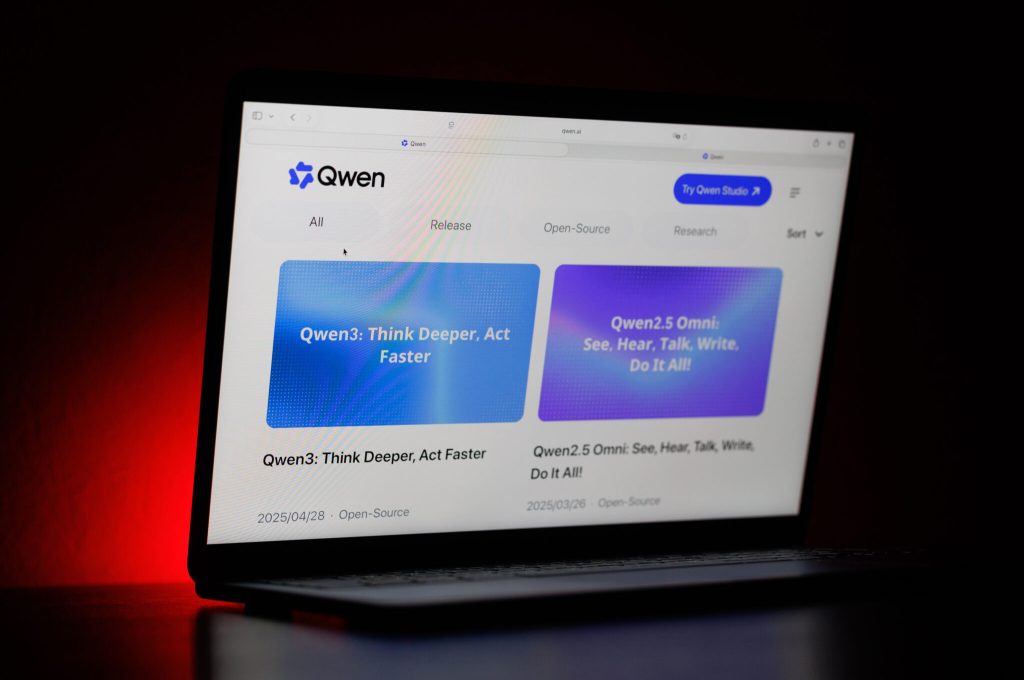
Furthermore, Alibaba’s flagship AI product, Qwen, has gained traction in the market, establishing itself as the most popular model family in the world. This success reflects the company’s innovative capabilities and strategic vision. Notably, both Alibaba’s chairman, Joseph Tsai, and its CEO, Eddie Wu, have demonstrated their confidence in the company’s future by purchasing substantial amounts of company shares during the stock’s recent downturn.
Industry experts have noted that Alibaba’s choice to raise funds through equity rather than bonds may signal a more expansive investment strategy than previously anticipated. Vey-Sern Ling, a managing director at Union Bancaire Privee, pointed out that this approach suggests a pressing need for resources to fuel aggressive AI investments, hinting at a strategy focused on gaining a competitive edge in a field where timing and scale are essential.
Chinese tech firms, while showing ambition, have generally applied a more measured approach compared to their American counterparts like Meta Platforms and Alphabet, which have collectively allocated trillions of dollars toward AI advancements. For instance, Baidu, a key competitor, has opted against any new share issuance, citing sufficient existing funds and operational cash flow to support its endeavors. This divergent strategy illustrates the heightened competitive pressures in the tech industry, especially as hardware costs, such as memory chips, continue to surge.
Alibaba’s latest capital raise marks the largest share sale in Hong Kong since 2021 when technology investment firm Prosus NV sold $14.7 billion in shares of Tencent Holdings Ltd. This recent offering underscores the growing importance of the Hong Kong stock market as a critical venue for major technology firms seeking to secure funding for ambitious projects.
However, Alibaba faces challenges beyond just funding. Its focus on AI is contributing to a squeeze on profit margins, while the company’s core online retail segment grapples with sluggish domestic consumption. The surge in capital expenditures, which reached nearly $10 billion in the June quarter, reflects Alibaba’s commitment to prioritizing long-term growth and competitive positioning, despite concerns from some investors regarding the returns on these significant investments.
In conclusion, Alibaba’s $10.2 billion capital raise in Hong Kong not only cements its place as a leader in the AI sector but also highlights the broader trends within the tech industry. The aggressive investment strategy signals a race against time among major firms to develop cutting-edge technologies that could redefine the future. As competition intensifies, Alibaba’s ability to effectively leverage these funds will be crucial in determining its success in redefining its role in the global technology landscape. Investors and analysts alike will be closely monitoring how this bold move impacts Alibaba’s financial health and market position in the coming months.