
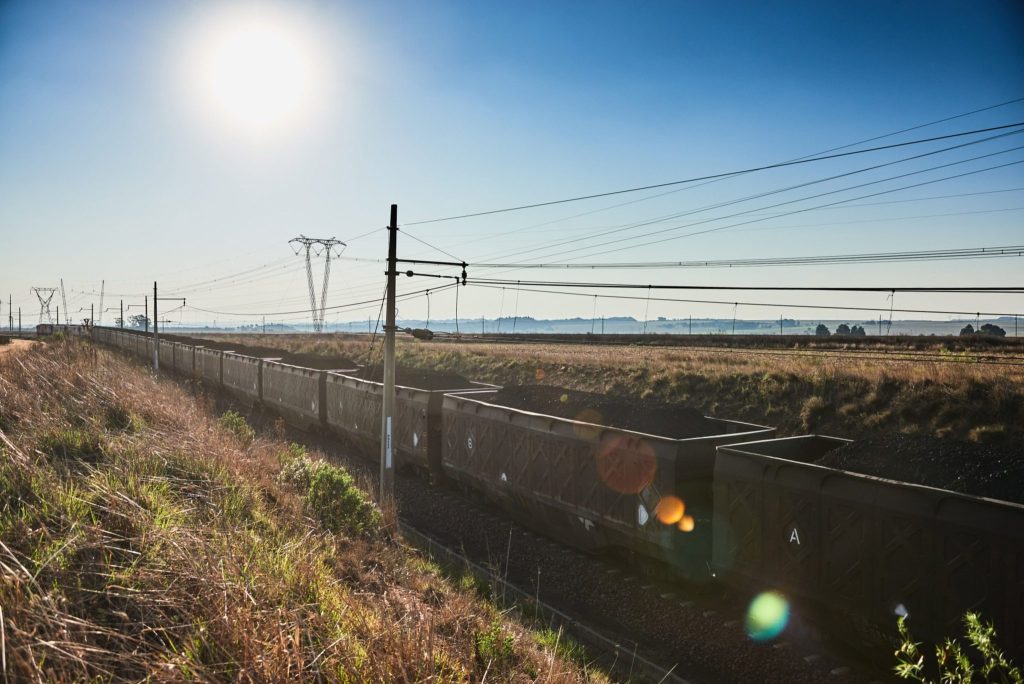
South Africa’s freight rail system, once a vital artery of the nation’s economy, is on the cusp of significant transformation. With an aging infrastructure that has long been in need of repair and modernization, the country is taking bold steps to revamp its rail network while simultaneously inviting private players into the fold. This ambitious overhaul is spearheaded by the Transnet Rail Infrastructure Manager (Trim), under the leadership of Nkululeko Gobhozi, who is not only the chief engineer of technology management but also recently assumed the role of chair for the International Heavy Haul Association. This blog post delves into the complexities of this endeavor, the underlying challenges, and the potential for revitalization.
The current state of South Africa’s rail network paints a picture of both opportunity and challenge. Historically, rail transport has played a crucial role in facilitating trade and movement of goods across the country. However, years of neglect and insufficient investment have left the infrastructure in disrepair. Gobhozi acknowledges that while underinvestment has been a significant factor, external elements such as sabotage and vandalism have compounded the issue, severely impacting operational efficiency. Addressing these challenges is crucial for the successful rehabilitation of the railway system.
As Gobhozi emphasizes, the path to recovery is not solely about repairing tracks or replacing trains. It involves a comprehensive strategy to tackle both physical infrastructure and the security threats that hinder progress. Sabotage, in particular, poses a critical obstacle; it undermines the efforts to revitalize the network, making it essential for Trim to devise innovative solutions to safeguard the infrastructure. While specifics of these strategies remain under wraps, Gobhozi assures that there is a commitment to overcoming these challenges with the support of industry stakeholders.
Funding is another pivotal component of this transformation. For years, Transnet has struggled with access to financial resources necessary for maintaining and upgrading the rail system. However, Gobhozi notes that the situation has improved, bringing with it a new set of expectations. The availability of funding comes with the pressing need for timely execution, a challenge that the organization is prepared to meet. This shift in financial dynamics not only facilitates immediate repairs but also opens the door for long-term investments, positioning South Africa’s rail network for a more competitive future.
Key takeaways from this initiative include the acknowledgment of the multifaceted challenges facing the rail network, the importance of public-private partnerships, and the need for innovative approaches to ensure both safety and efficiency. The focus is not merely on restoration but also on creating a resilient framework that can withstand future challenges, including criminal activity that threatens infrastructure integrity.
For traders and investors, the implications of these developments are significant. A revitalized rail network can enhance the efficiency of supply chains, reduce transportation costs, and ultimately lead to an increase in the movement of goods. This could also attract new businesses and stimulate economic growth in various regions. As the government invites private investment into the rail sector, there are opportunities for private operators to leverage the existing infrastructure while contributing to its improvement. Investors should keep a close eye on the progress of these reforms, as they could signal a shift in market dynamics and offer lucrative opportunities in logistics and transportation.
In conclusion, South Africa’s freight rail system stands at a crossroads, with potential for revitalization through strategic reforms and private investment. While challenges abound, the commitment from leaders like Nkululeko Gobhozi and the support from industry stakeholders signal a promising future. By addressing both infrastructure shortcomings and security threats, the country can not only restore its rail network but also lay the groundwork for a more robust and competitive economy. As these developments unfold, traders and investors alike should remain vigilant, as the transformation of the rail system could herald significant changes in the logistics landscape of South Africa. With the right execution and collaboration, the railways could once again become a backbone of economic growth and prosperity.