
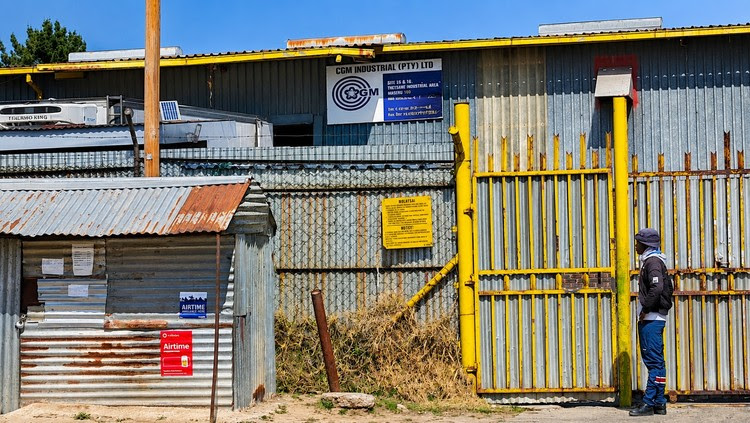
In a significant development for cross-border asset recovery, authorities in Lesotho and South Africa have embarked on a legal journey involving the forfeiture of assets tied to illicit activities. This case centers on a clothing company in Lesotho that allegedly funneled millions of dollars through various fraudulent schemes. While the courts have ruled in favor of asset forfeiture, the actual realization of these assets remains uncertain due to ongoing appeals from the accused parties. This situation highlights not only the complexities of international financial crime but also the challenges law enforcement faces in recovering stolen wealth.
The case began when allegations emerged regarding the misappropriation of funds from CGM Group and its subsidiary, Presitex, one of the largest garment manufacturers in Lesotho. The accused, including former CEO Madhav Vassant Dalvi and his family, are said to have diverted approximately M700 million, leading to significant legal action. The Directorate on Corruption and Economic Offences (DCEO) in Lesotho has been at the forefront of this investigation, which has uncovered a series of fraudulent transactions and the establishment of entities designed to hide the illicit proceeds.
In May, the Lesotho Court of Appeal and the Free State High Court in South Africa delivered judgments regarding the forfeiture of properties and cash linked to these criminal activities. The Lesotho court upheld the seizure of a property in Masowe valued at M1.6 million and cash amounting to M177,000. Meanwhile, the South African court ordered the forfeiture of three properties in Ladybrand worth R5.75 million. Both courts agreed that these assets were indeed the fruits of criminal activity associated with the diversion of funds from Presitex.
Despite this legal victory, the situation has been complicated by appeals filed by the defendants. After three months, the forfeiture orders have yet to be enforced, leading to frustration among authorities who view this as a critical test of their ability to recover assets linked to financial crimes across borders. The appeals process could delay the realization of these assets indefinitely, raising questions about the effectiveness of current laws and cooperation between nations in combating financial misconduct.
One of the pivotal figures in this case is Eugenia Shi-Chang, a whistleblower and former shareholder of Presitex. After leaving the company in 2009, she returned in 2023 only to discover the extent of the financial malfeasance orchestrated by Dalvi and his associates. Her complaints to the DCEO spurred a comprehensive investigation, resulting in criminal charges against several individuals involved in the scheme. However, many of the accused, including Dalvi and his family, have fled the country, complicating the legal proceedings further.
Key points from this case underscore the challenges faced in asset recovery and the importance of international cooperation. Firstly, the successful forfeiture judgments are a testament to the courts’ recognition of the need to tackle financial crimes seriously. Secondly, the ongoing appeals highlight the legal complexities involved in ensuring that justice is served. The extradition processes initiated by the DCEO have also illustrated the hurdles of navigating international law, as responses from foreign nations can significantly impact the timeline and success of such recoveries.
For traders and investors, this case serves as a stark reminder of the risks associated with financial dealings in regions where corruption and fraud may be prevalent. It underscores the importance of conducting thorough due diligence and maintaining ethical standards in business practices. The repercussions of financial misconduct can be severe, not only for the individuals involved but also for the broader economy, particularly in a country like Lesotho where major industries like textiles play a crucial role in employment and economic stability.
In conclusion, the asset forfeiture case involving Lesotho and South Africa marks a pivotal moment in the fight against financial crime and corruption. While the initial rulings demonstrate the courts’ commitment to addressing these issues, the ongoing appeals and challenges in asset realization reveal the complexities that lie ahead. This case not only highlights the need for robust legal frameworks and cooperation across borders but also serves as a cautionary tale for investors and businesses operating in vulnerable markets. As the situation develops, it will be essential to monitor the outcomes of the appeals and the effectiveness of the measures taken to recover the misappropriated assets.