
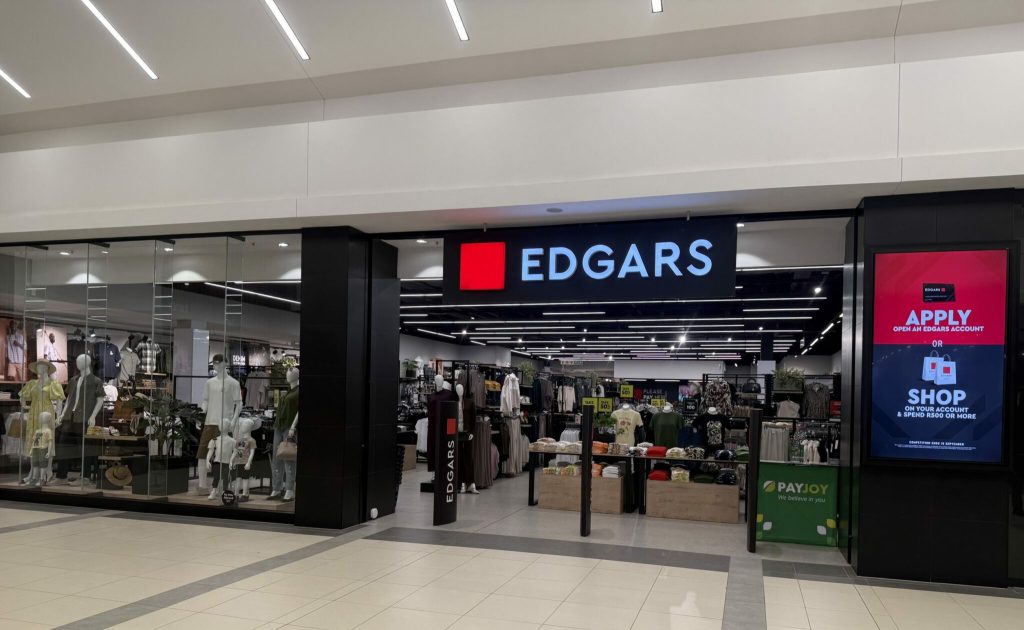
The recent transformation of Edgars outlets into ‘community stores’ under the ownership of private equity firm Retailability has sparked significant interest and concern among rival retailers. This innovative approach could redefine the landscape of retail in South Africa, making it crucial for competitors such as Pepkor, Mr Price Group, and TFG to take note. The new format diverges sharply from the traditional Edgars experience familiar to many consumers, particularly the vast department stores found in major shopping malls across the country.
The concept of community stores is not just a cosmetic change; it represents a strategic pivot designed to enhance profitability and market reach. As Edgars embarks on this journey, it aims to revitalize its brand and adapt to the evolving preferences of shoppers.
Understanding the Community Store Concept
The first of these community stores was launched at the Irene Village Mall, marking a significant departure from the sprawling legacy stores that have long characterized the Edgars brand. With a footprint of approximately 700 square meters, these new locations are designed for efficiency, maximizing every square meter to ensure that it contributes to the bottom line. In contrast to the massive triple-story structures of the past, the community stores are compact and focus on driving trading density.
The layout of the Irene Village store offers a glimpse into Retailability’s vision. More than half of the space is dedicated to ladieswear, with menswear occupying about a third and a smaller area reserved for children’s clothing. This strategic allocation of space is likely to be tailored to meet the specific demands of each local market, allowing for greater flexibility and responsiveness to consumer trends.
A key feature of these community stores is the streamlined offering. While the assortment may be reduced compared to larger stores, the emphasis is on core private label brands, ensuring that the product mix resonates with the target audience. This approach is reminiscent of the strategy employed by Jet, another former Edcon entity, although Jet leans more heavily into the value segment.
Key Takeaways from the Edgars Transformation
1. **Market Adaptability**: The community store concept allows Edgars to penetrate markets that were previously inaccessible under its legacy model. By reducing store size and tailoring offerings, the brand can better serve diverse customer bases.
2. **Increased Trading Density**: The focus on maximizing every square meter means that these stores are designed to drive higher sales per unit area, which is critical for profitability in the competitive retail sector.
3. **Aggressive Expansion Plans**: Retailability’s strategy includes plans to open at least 50 community stores in the next two years, representing a 50% increase in the current footprint. This ambitious growth reflects confidence in the new format’s potential.
4. **Evolving Retail Landscape**: The shift to community stores highlights a broader trend in the retail industry, where companies are re-evaluating their physical presence and seeking to adapt to changing consumer preferences.
Insights for Traders and Investors
For traders and investors, the evolution of Edgars presents both opportunities and risks. On one hand, the aggressive expansion and innovative retail strategy could lead to increased market share and profitability. The focus on private label brands may also enhance margins, as these products typically carry lower costs compared to branded goods.
However, the competitive landscape remains fierce, with established players like Pepkor and Mr Price Group continuously innovating to capture market share. Investors should closely monitor Edgars’ performance in these new stores, as well as customer feedback and sales growth metrics.
Conclusion
The introduction of community stores by Edgars marks a pivotal moment in the South African retail sector. By reimagining its store format to better align with consumer demands and market realities, Retailability is positioning Edgars for a more sustainable and profitable future. As the company embarks on this ambitious expansion plan, all eyes will be on its ability to execute this transformation effectively. Both competitors and investors should remain vigilant, as the success or failure of this strategy could significantly impact the broader retail environment in the region.