
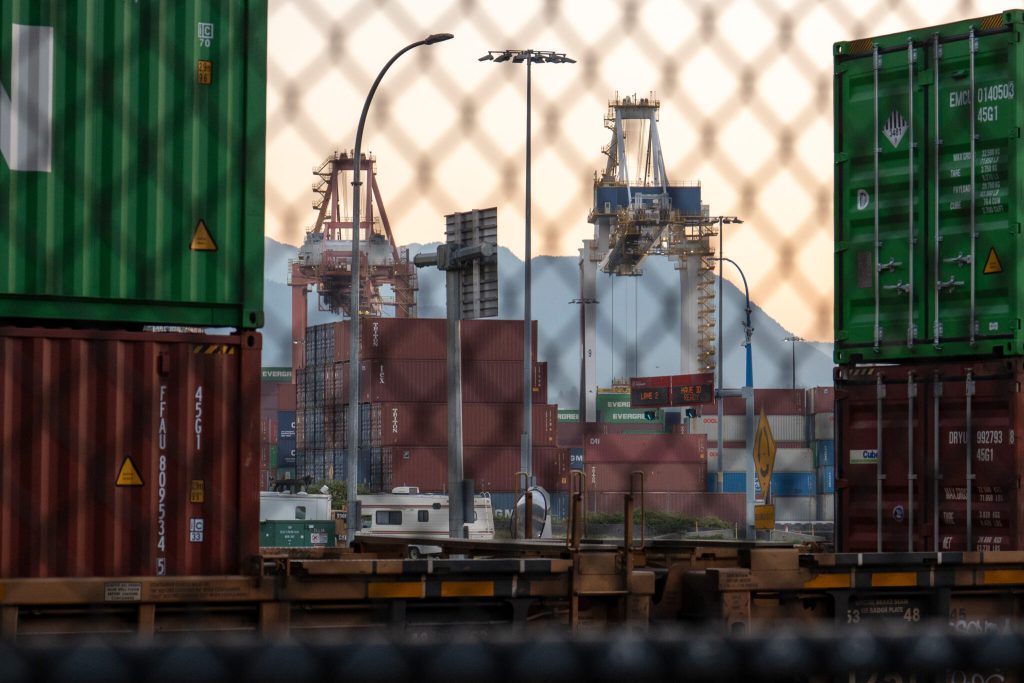
In a rapidly evolving global trade landscape, Canada finds itself at a critical juncture as it grapples with the implications of hefty tariffs imposed by the United States on its exports. As of this past Saturday, approximately $20 billion of Canadian goods are now subject to a staggering 50% tariff, prompting the Canadian government to take immediate action to support its workforce and businesses. This blog post delves into the government’s proposed measures, key takeaways for stakeholders, and insights for both traders and investors as they navigate this uncertain economic terrain.
The announcement from Canada’s government is set to unfold in a press conference led by prominent officials, including Finance Minister Francois-Philippe Champagne and Industry Minister Melanie Joly. The ministers are expected to unveil a comprehensive package of support measures designed to cushion the blow from these tariffs. The initiative, referred to as the “One Canadian Economy Agenda,” aims to bolster job security and provide financial assistance to industries adversely affected by the sudden trade shift.
In response to the tariffs, the government plans to extend unemployment benefits to workers who find themselves out of jobs due to the fallout from these trade barriers. This step is crucial as it not only provides immediate relief but also fosters consumer confidence during a time of economic uncertainty. Additionally, business loans will be made available to companies struggling to cope with the increased costs associated with U.S. tariffs. These measures bear resemblance to the economic support programs enacted during the COVID-19 pandemic, reflecting a commitment to stabilize the economy in these challenging times.
Prime Minister Mark Carney has already signaled Canada’s intention to retaliate with “dollar-for-dollar” counter-tariffs on a range of U.S. goods, including steel, dairy products, and electronics. However, the Prime Minister also acknowledged the complexity of enacting an equivalent response given the disparity in economic size between the two nations. The U.S. economy, significantly larger than Canada’s, makes it difficult for Canada to match U.S. tariffs point-for-point. This realization has led to a more targeted strategy, suggesting that the Canadian government may focus on specific sectors that are most vulnerable to U.S. trade policies.
Key points to consider regarding this situation include the immediate financial implications for Canadian exporters, the potential for increased operational costs, and the ripple effects on consumer prices. Sectors such as agriculture, electronics, and manufacturing are likely to be heavily impacted, and businesses in these industries must prepare for potential disruptions. Moreover, the uncertainty surrounding retaliatory measures could create volatility in financial markets, affecting investor sentiment.
For traders and investors, the current climate necessitates a careful evaluation of their portfolios. The commodities market may experience fluctuations as tariffs alter supply chains and pricing structures. Investors should keep a keen eye on how various sectors respond to these challenges. Companies with significant exposure to exports may face declining stock prices, while those positioned to benefit from increased domestic demand could experience growth.
Furthermore, it is crucial for investors to stay informed about policy developments and government interventions. The Canadian government’s proactive stance could mitigate some of the adverse effects of tariffs, providing a safety net for both businesses and workers. By understanding the implications of these support measures, investors can make more informed decisions about their investments in the Canadian market.
In conclusion, Canada’s response to the recent U.S. tariffs showcases the government’s commitment to protecting its economic interests while navigating the complexities of international trade relations. The proposed measures reflect a comprehensive approach aimed at supporting workers and businesses during this turbulent period. For traders and investors, the situation presents both challenges and opportunities, and staying informed will be crucial as developments unfold. As the economic landscape continues to evolve, stakeholders must remain agile and ready to adapt to the shifting tides of trade policy.