
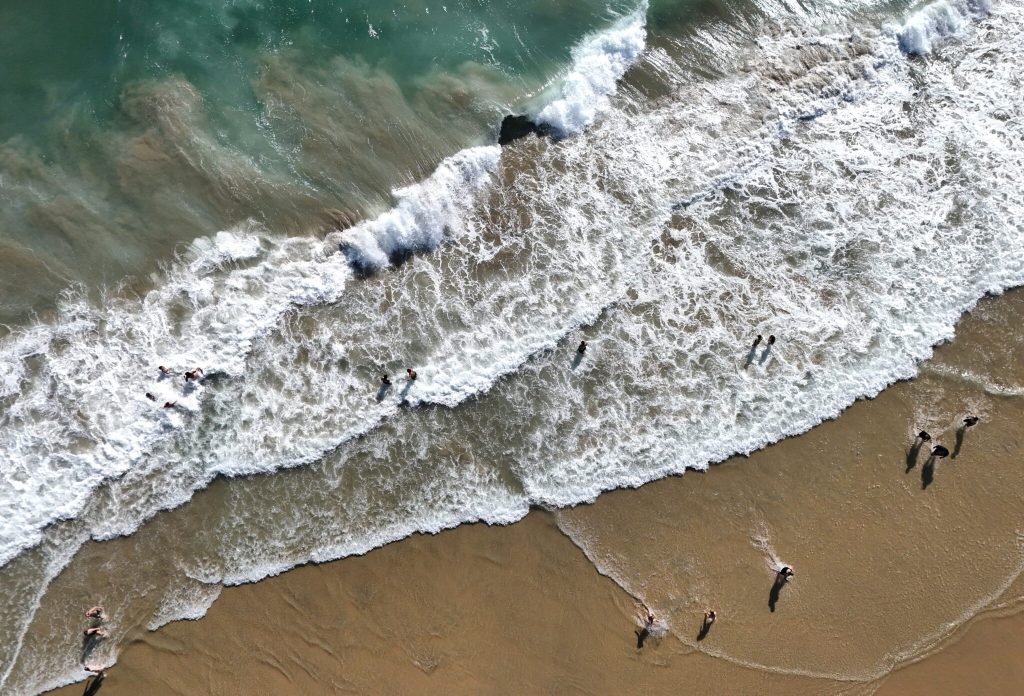
The world is facing unprecedented changes, and one of the clearest indicators of this transformation is the alarming rise in ocean temperatures. Recent reports have highlighted that the global average sea-surface temperature reached an astonishing 21.1 degrees Celsius (70 degrees Fahrenheit) on August 22, marking the highest temperature ever recorded in Earth’s oceans. This surge can be attributed to a potent combination of climate change and a powerful El Niño event in the tropical Pacific. As this phenomenon unfolds, it is essential to explore its implications not only for the environment but also for the global economy and financial markets.
The rise in ocean temperatures has a significant correlation with climate change, which has seen temperatures steadily increase due to human activity over several decades. Samantha Burgess, a strategic lead for climate at the European Centre for Medium-Range Weather Forecasts, emphasized that while El Niño contributes additional heat to the ocean, the underlying trend of warming is rooted in anthropogenic factors. This dual influence not only raises concerns for marine life and ecosystems but also poses risks to coastal communities, agricultural sectors, and various industries that rely on stable weather patterns.
One of the most concerning aspects of higher ocean temperatures is their ability to exacerbate extreme weather events. Warmer seas have the potential to elevate the frequency and intensity of storms, as they transfer additional heat and moisture into the atmosphere. This can lead to more destructive hurricanes, flooding, and droughts. For investors and businesses, such climatic events can disrupt supply chains, damage infrastructure, and create volatility in commodity prices, particularly in agriculture and energy sectors.
Furthermore, the rising ocean temperatures have a direct impact on sea levels, contributing to coastal erosion and inundation of low-lying areas. This phenomenon poses a threat not only to local economies but also to global markets that are interconnected through trade and investment. Areas that are heavily reliant on tourism, fisheries, and agriculture may see their economic foundations shaken by rising seas and changing weather patterns, leading to potential shifts in market dynamics.
Key takeaways from this evolving situation include the acknowledgment that climate change is no longer a distant threat but an immediate reality impacting our daily lives and economic stability. Investors and traders need to be aware of the risks posed by climate-related disruptions and consider the long-term sustainability of companies within their portfolios. Industries such as renewable energy, sustainable agriculture, and climate-resilient infrastructure are likely to become increasingly attractive investment opportunities as the world shifts towards a more sustainable future.
For traders and investors, the current climate crisis presents both challenges and opportunities. Those who can adapt their strategies to account for climate risks are likely to gain a competitive edge. For example, the growing focus on Environmental, Social, and Governance (ESG) criteria in investment decisions indicates a shift towards sustainability. Companies that prioritize environmental responsibility are not only contributing to the fight against climate change but are also positioning themselves favorably in a market that increasingly values sustainability.
In conclusion, the record-breaking rise in ocean temperatures serves as a stark reminder of the urgency of addressing climate change. As we witness the interplay between El Niño and human-induced warming, the implications for both the environment and the economy are profound. Investors and traders must stay informed and adapt their strategies to navigate the increasingly volatile landscape shaped by climate-related factors. By recognizing the risks and seizing the opportunities presented by this transformation, stakeholders can contribute to a more resilient and sustainable future for both the planet and the global economy. The time to act is now, as the rising tide of change continues to shape our world.