
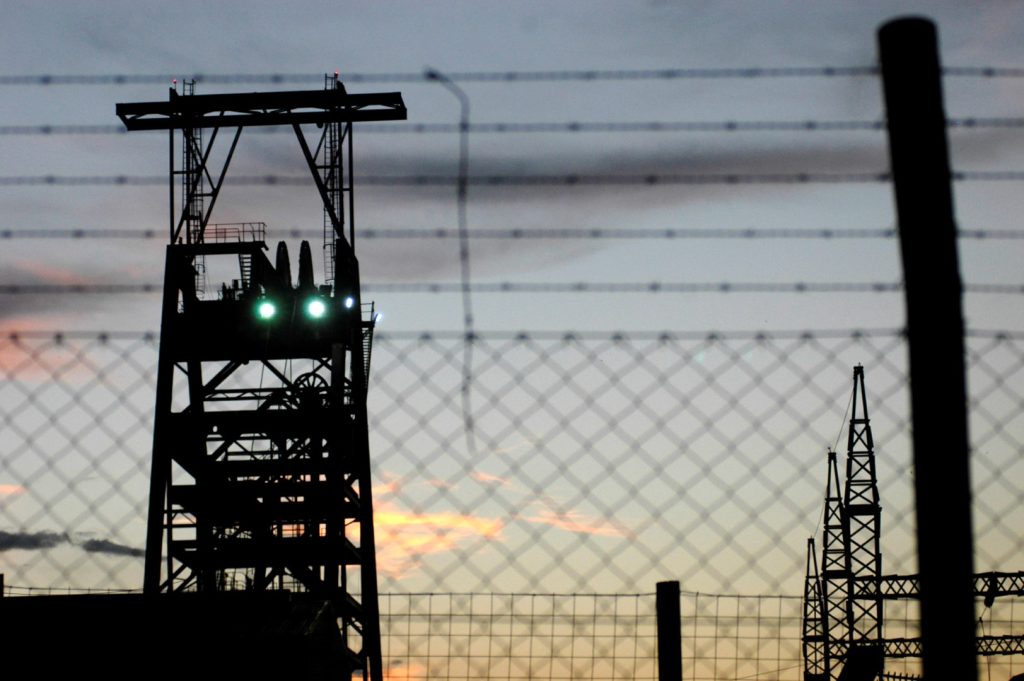
In the ever-evolving landscape of global mining, the dynamics between multinational companies and host governments can often lead to contentious negotiations. Recently, Gold Fields, a prominent player in the gold mining sector, has found itself in such a predicament. The Johannesburg-listed company is currently engaged in crucial discussions with the Ghanaian government regarding the renewal of mining rights for its Tarkwa mine, one of its most significant operations. This situation raises important questions about the future of foreign investments in Ghana’s mineral resources and the broader implications for the industry.
Gold Fields has made it clear that it will not concede easily in these negotiations. The company’s Chief Executive Officer, Mike Fraser, emphasized that they are committed to protecting their investments and ensuring the rights of their shareholders. The Tarkwa mine, previously Gold Fields’ largest gold operation, is set to have its leases expire in April. Reports suggest that the Ghanaian government is contemplating transferring control of this valuable asset to local entities, which adds another layer of complexity to the discussions.
The stakes are high for Gold Fields. The company has invested heavily in Tarkwa, and walking away from such a significant asset is not an option. Fraser highlighted the importance of maintaining a constructive dialogue with the Ghanaian authorities, expressing hope for a mutually beneficial resolution. “What we’re certainly not going to do is just roll over on Tarkwa,” he asserted, indicating a strong stance in favor of negotiation rather than capitulation.
The negotiations come at a time when Gold Fields is experiencing a surge in profitability. The company recently announced that it more than doubled its first-half dividend, a testament to its robust financial performance. Profits soared by 81%, reaching an impressive $1.85 billion, largely due to increased gold output and rising prices. The company’s shares responded positively, reflecting investor confidence amid the ongoing talks.
Gold Fields’ decision to increase its interim payout to R16.25 ($1.01) per share, up from R7 a year earlier, underscores its commitment to returning value to shareholders. In addition to this dividend increase, the company has also announced plans to return an additional $500 million to shareholders, with the potential for further expansion of this program if market conditions remain favorable. As Fraser noted, the average price per ounce of gold received climbed significantly, which has contributed to the company’s financial windfall.
The Tarkwa mine is not the only asset generating significant output for Gold Fields. The company’s Salares Norte operation in Chile, which commenced production in 2024, has emerged as a key player in its portfolio, producing 294,000 ounces of gold in the first half of the year. Fraser remarked that this mine has become the most significant contributor to cash flow per share, highlighting the company’s diversified approach to gold production.
As Gold Fields navigates these complex negotiations with the Ghanaian government, several key takeaways emerge for investors and industry observers. First, the importance of maintaining open lines of communication and constructive dialogue with host governments cannot be overstated. The ability to negotiate effectively can have profound implications for the future of mining operations within a country.
Second, the financial health of the company is paramount. Gold Fields’ ability to return substantial dividends to shareholders despite the uncertainty surrounding Tarkwa showcases its strong operational performance and effective management strategies. Investors should keep an eye on how the outcome of these negotiations might impact the company’s financials and stock performance in the future.
Finally, the situation underscores the broader trend of increasing local control over natural resources in various countries. As governments seek to maximize the benefits of their mineral wealth, foreign companies must adapt to these changing dynamics. This could involve forming partnerships with local entities or adjusting business strategies to align with national interests.
In conclusion, Gold Fields finds itself at a critical juncture as it negotiates the future of its Tarkwa mine with the Ghanaian government. The company’s commitment to protecting its investments and ensuring shareholder rights will be tested in the coming months. As the landscape of global mining continues to shift, the outcome of these negotiations could serve as a case study for future interactions between multinational companies and host nations, highlighting the delicate balance between resource development and local interests.