
In recent years, South Africa has made significant strides in its efforts to bolster its infrastructure landscape, with ambitious projects poised to transform the economy. President Cyril Ramaphosa recently announced the remarkable growth of the nation’s infrastructure project pipeline, which has expanded five-fold since 2020. This ambitious initiative, which aims to stimulate economic growth and address pressing societal issues such as unemployment, is now valued at approximately R1.67 trillion (about $104 billion). As the government prepares for a wave of procurement opportunities estimated at R264 billion (around $16.5 billion) over the next 12 to 18 months, it is essential to delve into the implications of these developments for the South African economy and its investors.
The expansion of the Strategic Integrated Projects portfolio is a clear indication of South Africa’s commitment to enhancing its infrastructure across various sectors. This portfolio encompasses vital areas such as water and sanitation, transport and logistics, energy, and municipal infrastructure. By focusing on these sectors, the government aims to create a more sustainable and efficient environment that not only supports economic growth but also improves the quality of life for its citizens.
One of the critical challenges that South Africa faces is its sluggish economic growth, which has struggled to achieve the levels required to combat chronic unemployment and declining living standards. Following a modest growth rate of 1.1% in 2025, which marked the strongest performance since 2022, it has become evident that increased investment is crucial. However, the nation has fallen short of its own economic targets, with gross fixed capital formation hovering at approximately 14% of GDP, significantly below the 30% benchmark set by the government’s economic policy plan for 2030.
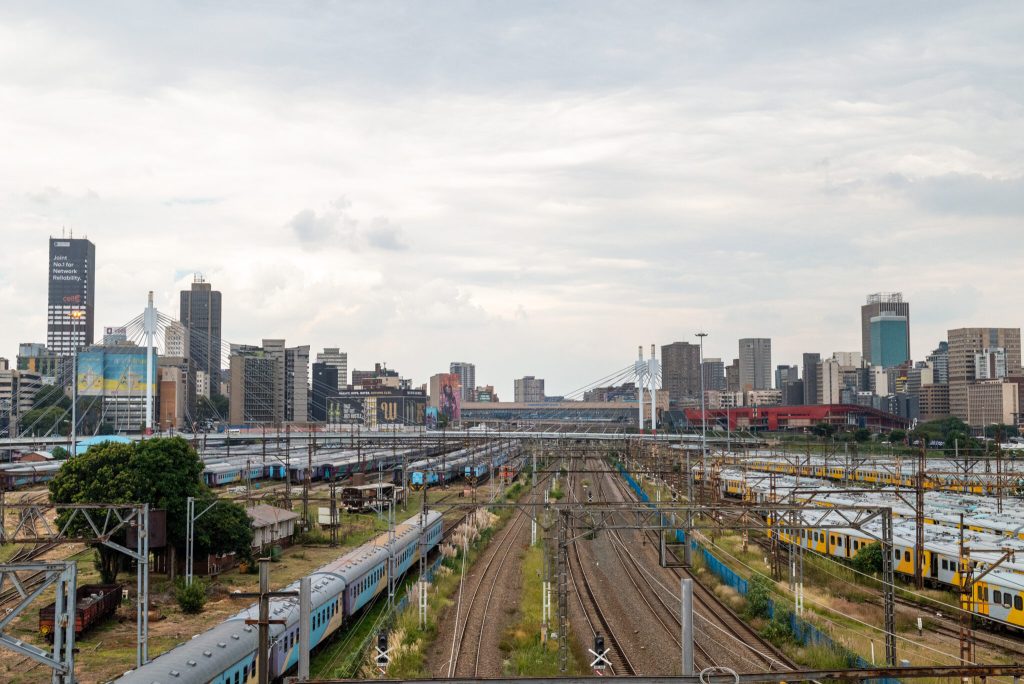
Infrastructure deficiencies have also posed significant hurdles to economic activity. Issues such as poorly maintained railways and logistical inefficiencies have hindered the manufacturing sector, diminishing its potential to drive growth. Alarmingly, the construction industry’s contribution to the economy has nearly halved over the past decade, dropping from 4.2% in 2008 to just 2.3% of value added by 2025, as reported by Statistics South Africa. This decline highlights the urgent need for revitalizing the construction sector and investing in infrastructure development.
In response to these challenges, President Ramaphosa’s administration is taking proactive steps to enhance the credibility of the infrastructure pipeline. The government is shifting its focus from merely identifying potential projects to emphasizing project preparation and financing. This strategic approach aims to attract both domestic and foreign investors, ensuring that projects are not only well-planned but also financially viable.
The state’s latest construction book, which serves as a comprehensive guide for potential investors, lists over 170 projects in various stages of development. Among these, 55 projects are currently under construction and collectively valued at more than R407 billion, while another 32 projects, worth approximately R48 billion, have already been completed. This transparency is intended to instill confidence in investors and improve accountability within the projects, which is crucial for long-term success.
For traders and investors, the expansion of South Africa’s infrastructure projects presents a unique opportunity. The government’s commitment to improving infrastructure indicates a long-term strategy that could yield substantial returns for those willing to engage in this growing market. Investors should closely monitor the procurement process and consider aligning their portfolios with sectors poised for growth, such as construction, logistics, and energy. Additionally, as the government begins to publish quarterly performance reports on these projects, investors will have access to valuable insights that can guide their investment decisions.
In conclusion, South Africa’s ambitious infrastructure drive could serve as a catalyst for economic revitalization. With a robust project pipeline and a focus on improving investment credibility, the government is laying the groundwork for sustainable growth. However, achieving the desired outcomes will require collaboration between public and private sectors, as well as a commitment to addressing the underlying challenges that have historically hindered growth. For investors, this evolving landscape presents opportunities to participate in the transformation of South Africa’s economy, making it an exciting time to engage with the nation’s infrastructure initiatives.