
In an ever-evolving economic environment, the South African Reserve Bank (SARB) finds itself at a crossroads, grappling with the delicate balance between stabilizing inflation and supporting economic growth. Recent developments have left traders and investors closely monitoring the central bank’s moves, especially following its surprising decision to maintain interest rates last month. As inflationary pressures mount and geopolitical tensions escalate, the implications of the SARB’s policies resonate throughout the financial markets.
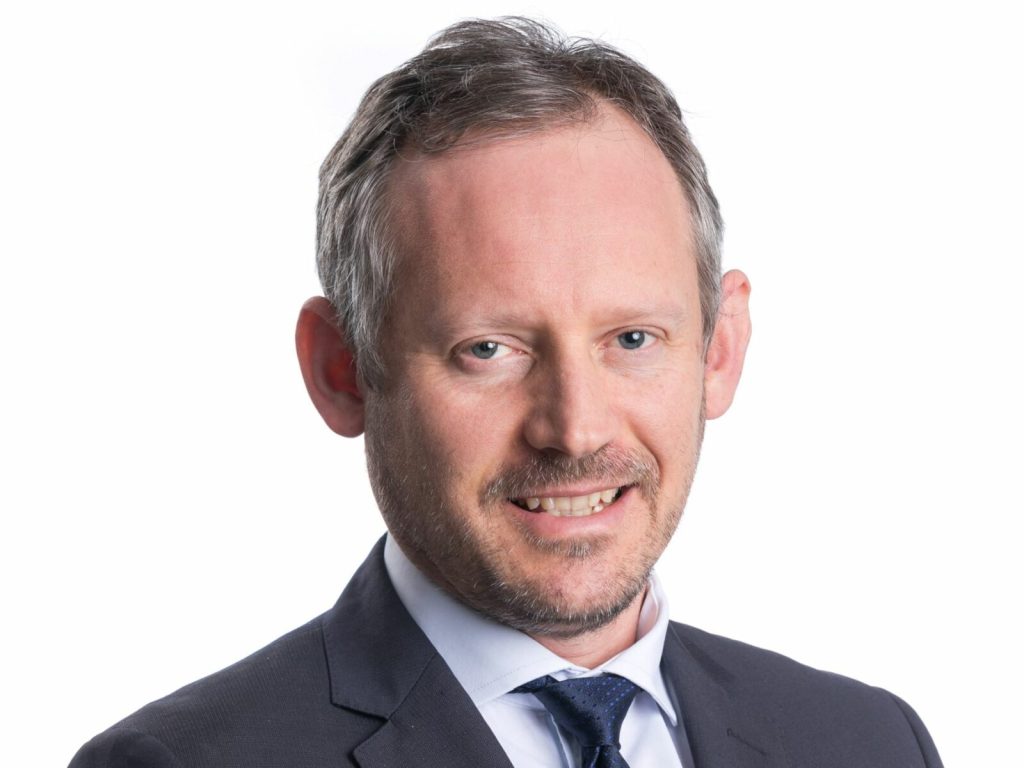
The SARB’s Monetary Policy Committee (MPC) recently surprised market participants by holding its policy rate steady at 7%, which translates to a prime lending rate of 10.5%. Many analysts had anticipated an increase in rates due to the unfavorable economic climate marked by soaring inflation, rising oil prices approaching $100 per barrel, and ongoing geopolitical strife, particularly the tensions surrounding the US-Iran conflict. Investment strategist Izak Odendaal from Symmetry, a division of Old Mutual, underscores the complexities facing both policymakers and investors in this turbulent landscape.
The central challenge for the SARB lies in addressing the persistent inflation that has become a hallmark of the current economic climate. With crude oil prices experiencing significant upward pressure, the costs of refined products, such as diesel, have surged even higher. Odendaal points out that the price difference between crude oil and refined products, typically ranging from $20 to $30 per barrel, has recently ballooned to as much as $60. This stark increase reflects the strain on global refinery capacity and highlights the interconnected nature of commodity markets.
Investors may recall the lessons learned from central banks in developed markets, which faced criticism for their delayed responses to inflation in 2021 and 2022. The SARB, unlike its counterparts, took proactive measures early on, successfully averting runaway inflation. However, the recent decision to maintain rates signals a cautious approach amid renewed inflationary pressures. Key central banks, including the European Central Bank, the Bank of England, and the US Federal Reserve, have similarly opted for a wait-and-see strategy, choosing to keep interest rates unchanged in an effort to navigate these uncertain waters.
Odendaal emphasizes that the SARB was in a relatively advantageous position prior to the recent crisis. The policy rate was already elevated in real terms, and inflation was hovering near the 3% target set by the bank. He suggests that the rate hike implemented in May may have been slightly premature, positioning the current policy rate as appropriate for the time being. The SARB’s commitment to achieving the 3% inflation target remains steadfast, particularly under Governor Lesetja Kganyago’s leadership, who views this goal as a critical aspect of his legacy.
One key takeaway from this situation is that successful inflation targeting does not guarantee that the target will be met consistently on a monthly or quarterly basis. Instead, it involves a commitment to addressing deviations from the target in a way that stabilizes expectations for both consumers and businesses. As companies grapple with cost pressures, they may be less inclined to raise prices, while workers continue to advocate for higher wages. This dynamic illustrates the role central banks play in anchoring inflation expectations, even when faced with supply shocks—such as those stemming from rising oil prices.
For traders and investors, the implications of the SARB’s decisions are profound. A stable interest rate environment can bolster market confidence, but the persistence of inflation poses risks that cannot be overlooked. Investors should keep a close eye on inflation expectations, as measured by surveys like the Bureau for Economic Research’s inflation expectations survey. Understanding how these expectations evolve will be crucial in determining market sentiment and potential investment opportunities moving forward.
In conclusion, the South African Reserve Bank is navigating a challenging economic landscape characterized by inflationary pressures and geopolitical uncertainties. While its recent decision to hold interest rates steady may have surprised some, it reflects a calculated approach aimed at balancing the dual objectives of managing inflation and supporting economic growth. As market participants remain vigilant in the face of these challenges, insights into the SARB’s policies and their implications will be essential for making informed investment decisions. The journey ahead will undoubtedly require adaptability and a keen understanding of the broader economic context as investors seek to navigate the complexities of South Africa’s financial future.