
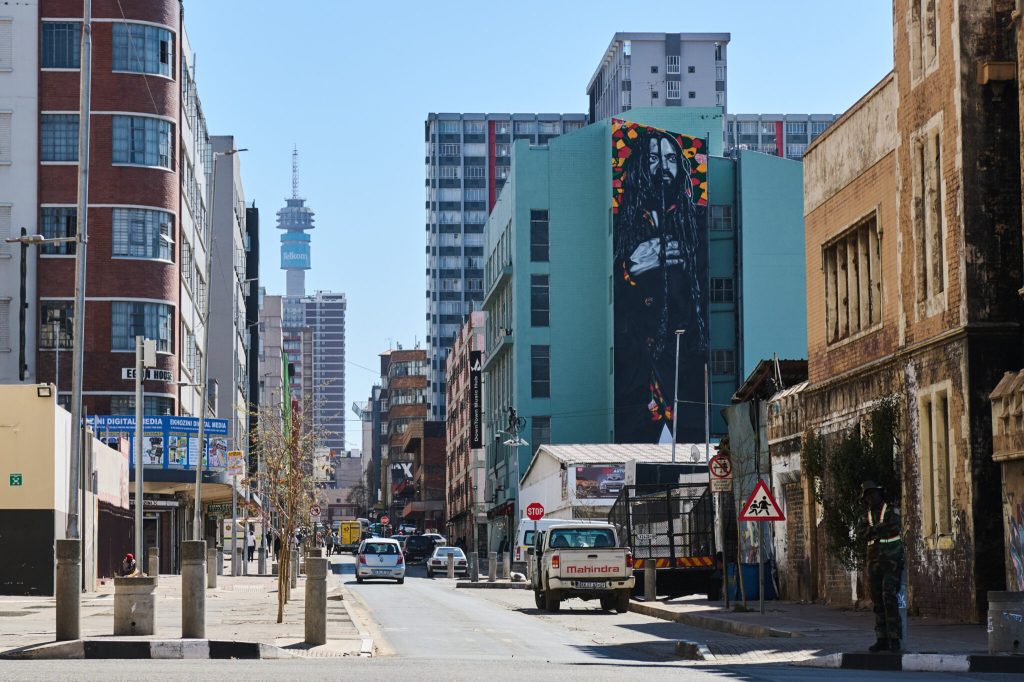
In the bustling heart of South Africa, Johannesburg stands as a beacon of economic activity and urban development. However, a closer examination of the city’s financial health reveals a troubling disparity between appearance and reality. The city’s proclaimed budget surplus, celebrated by officials, may be nothing more than a carefully constructed facade, masking deeper financial issues that could have severe implications for its residents and businesses. In this blog post, we will delve into the intricacies of Johannesburg’s budget, the underlying factors contributing to its precarious financial situation, and what this means for investors and residents alike.
At first glance, Johannesburg’s financial statements appear robust. The city reported an accounting surplus of R1.2 billion for the fiscal year ending in June 2025, alongside a cash surplus of R1.8 billion. However, these figures are significantly bolstered by over R3 billion in net borrowing shortly before the year concluded. This practice of borrowing to create a superficially positive financial narrative raises serious questions about the city’s true fiscal health. Without this borrowing, Johannesburg would have faced a cash deficit of R1.7 billion, a stark contrast to the surplus it has touted.
A recent analysis from the Centre for Development and Enterprise (CDE) has shed light on the troubling practices that contribute to this financial mirage. The city has been recognizing billions of rands in uncollected municipal bills as revenue. Alarmingly, approximately 15% to 17% of annual billings go unpaid. This accounting strategy creates an illusion of stability, yet it highlights a significant issue: the city is not effectively collecting what is owed to it. Over time, this trend could lead to a more pronounced financial crisis, compelling national government intervention to prevent a collapse of this economic hub.
The fiscal challenges facing Johannesburg do not end with accounting discrepancies. Over the past decade, the city’s workforce has ballooned by 40%, while employee-related expenses have more than doubled, climbing from R9.9 billion to a staggering R20.7 billion. Average salaries have increased significantly, from R400,000 to R602,000 per annum. This rapid rise in personnel costs now consumes about 40% of the cash collected from customers. Despite the city’s claims of financial solvency, it is clear that the growth in employee costs is outpacing any corresponding investment in infrastructure, which has plummeted by nearly 50% in inflation-adjusted terms since 2015.
These trends are alarming, particularly when considering the city’s governance landscape. Johannesburg has experienced a tumultuous political environment, with nine mayors and eight coalition administrations since 2016. This instability has resulted in frequent changes in leadership and policy, undermining any possibility of sustained planning or effective reform. As a result, the city is trapped in a cycle of poor governance, which ultimately jeopardizes its capacity to provide essential services to its residents.
Key takeaways from this situation are multifaceted. Firstly, the financial data presented by Johannesburg’s leadership must be scrutinized carefully, as the reported surpluses could be masking severe underlying issues. Secondly, the growing disparity between personnel costs and infrastructure investment suggests that the city may be prioritizing government operations over essential services. Lastly, the political instability and frequent leadership changes further exacerbate the challenges facing the city, making meaningful reform elusive.
For traders and investors, understanding the implications of Johannesburg’s financial situation is crucial. The city’s economic health directly influences local market conditions and investment opportunities. With the potential for national intervention looming, investors must be cautious and consider the risks associated with investing in a city experiencing such significant governance and fiscal challenges. It is essential to monitor developments closely, as the upcoming November elections may signal a turning point, either by ushering in new leadership capable of addressing these issues or continuing the status quo.
In conclusion, Johannesburg’s budget, while superficially impressive, reveals a complex web of financial challenges that cannot be ignored. The illusion of solvency, created by strategic borrowing and accounting practices, obscures a troubling reality that could have far-reaching consequences. As the city grapples with high employee costs, declining infrastructure investment, and political instability, stakeholders must remain vigilant. The upcoming elections present an opportunity for change, and the decisions made in the coming months will be pivotal in determining Johannesburg’s future financial health and stability.