
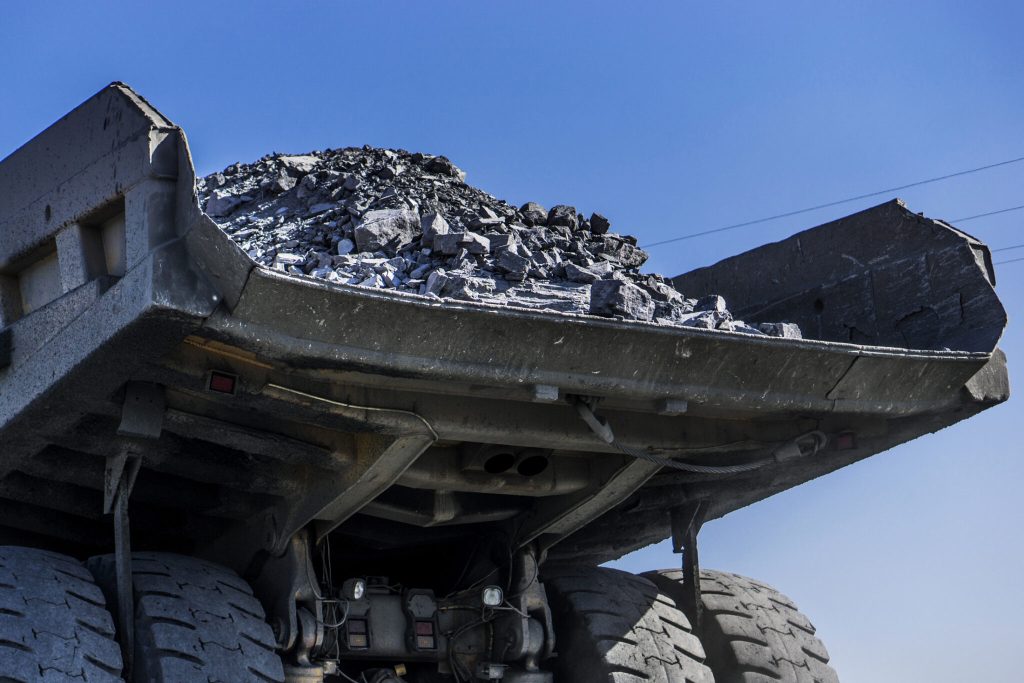
In the intricate world of mining and finance, the tale of Kalagadi Manganese serves as a poignant reminder of the risks and challenges that can arise when economic potential collides with financial mismanagement. The ongoing saga between the Industrial Development Corporation (IDC) and Kalagadi Manganese has reached a significant juncture, as the IDC moves closer to placing the beleaguered mining company into business rescue. This situation not only highlights the importance of financial oversight but also serves as a case study for investors and traders navigating the complexities of the mining sector.
The IDC, a state-owned development finance institution, has long been a crucial player in South Africa’s industrial landscape, aiming to promote economic growth by funding various sectors, including mining. However, its relationship with Kalagadi Manganese has become fraught with tension, primarily due to the substantial debt owed by the mining company. Initially, Kalagadi owed the IDC R3 billion, a figure that has since ballooned to over R9 billion, making it the IDC’s most significant debtor. This situation raises important questions about the financial sustainability of mining operations and the implications for stakeholders involved.
Kalagadi Manganese, which possesses the world’s largest sinter plant and extensive manganese ore deposits, should theoretically be a lucrative enterprise. The company boasts access to approximately 960 million tonnes of manganese ore, a resource that holds considerable potential in various industries, including steel production and clean energy technologies. However, despite its vast mineral wealth, Kalagadi has struggled to achieve financial stability. The Supreme Court of Appeal (SCA) recently affirmed that the mining company has been unable to service its debts for at least the past six years, raising concerns about its viability as a going concern.
The legal battles surrounding Kalagadi Manganese have been extensive and complicated. The company has contended that the IDC did not follow proper procedures when attempting to initiate business rescue proceedings in 2020. Kalagadi argued that the affidavits used in court lacked formal backing from the IDC board, which ultimately led to a protracted legal dispute over procedural technicalities. This ongoing litigation has delayed the substantive high court case that would scrutinize the company’s financial records and determine its future.
From an investor’s perspective, the Kalagadi Manganese case underscores the critical importance of due diligence when considering investments in the mining sector. Investors must be vigilant regarding the financial health of companies they’re considering for investment, especially in industries that are heavily reliant on commodity prices and market demand. The situation with Kalagadi illustrates how quickly a promising venture can turn into a financial liability if management fails to address operational challenges and maintain financial discipline.
Moreover, this case emphasizes the need for transparency and accountability in corporate governance. The ongoing legal disputes highlight how mismanagement and lack of oversight can lead to dire financial consequences. Stakeholders should be aware of the governance structures in place at the companies they invest in and ensure that there are robust mechanisms for accountability.
Another key takeaway from the Kalagadi saga is the importance of understanding the broader economic and regulatory environment in which mining companies operate. Factors such as fluctuating commodity prices, regulatory changes, and shifts in global demand can significantly impact a mining company’s profitability. In this case, Kalagadi’s inability to capitalize on its mineral wealth speaks to the need for adaptive strategies that respond to market conditions.
As the situation unfolds, investors and traders should keep a close eye on the developments surrounding Kalagadi Manganese. The potential for business rescue could lead to significant changes in the company’s operations, governance, and financial structure. For those considering involvement in the mining sector, this case serves as a reminder of the inherent risks and the importance of thorough research and analysis.
In conclusion, the legal struggles of Kalagadi Manganese offer valuable lessons for investors navigating the complexities of the mining industry. The case illustrates the potential pitfalls of financial mismanagement, the importance of corporate governance, and the need for vigilance regarding market dynamics. As the IDC moves closer to placing Kalagadi into business rescue, the outcome will undoubtedly have far-reaching implications for the company, its stakeholders, and the broader mining sector in South Africa. Investors would do well to learn from this ongoing saga and apply these insights to their own investment strategies.