
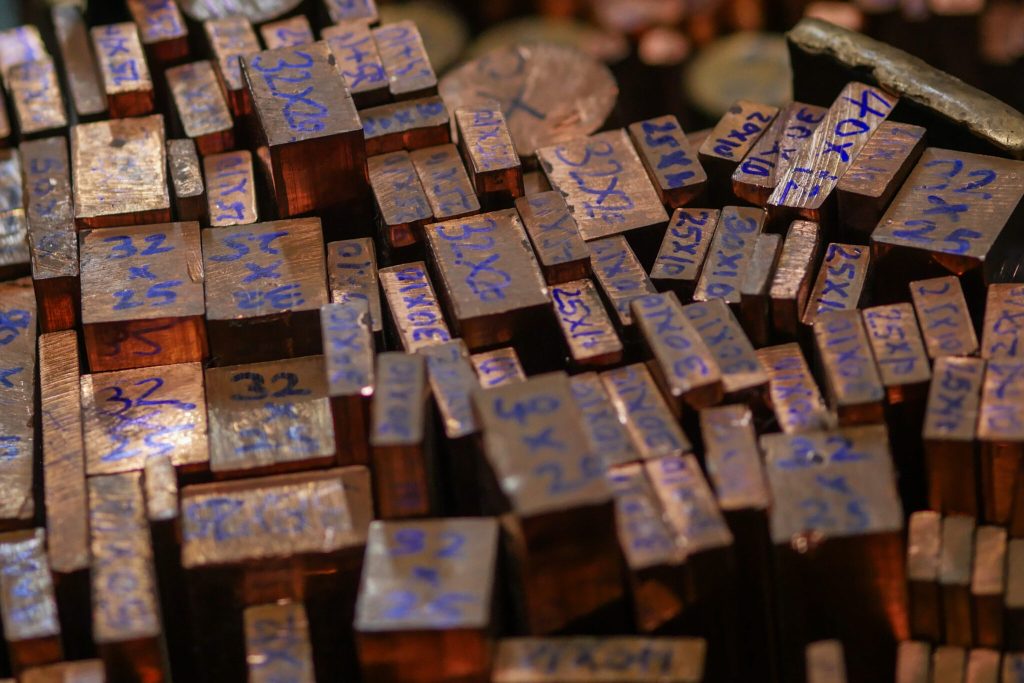
In recent trading sessions, copper has demonstrated remarkable resilience and strength, marking a significant rebound as it approaches record high prices. The industrial metal has gained traction, showing an impressive increase over the past few days, culminating in a notable rise of approximately 16% this year alone. This surge is indicative of a broader trend driven by a combination of tightening supply conditions and robust demand from various sectors. In this blog post, we will delve into the factors influencing copper prices, the implications for traders and investors, and what the future might hold for this critical metal.
Copper, often referred to as the “metal of the future,” is integral to numerous industries, including construction, electronics, and renewable energy. Its recent ascent can be attributed to multiple factors, chief among them being supply constraints that have emerged in the mining sector. Despite a recent easing of a severe market squeeze, the short-term supply of copper remains tight. This situation has been exacerbated by significant shipments of copper to the United States, which have drained stockpiles in other regions.
In the London Metal Exchange (LME), copper prices increased by as much as 0.6%, following a record close earlier in the week. This surge is particularly noteworthy given the backdrop of a substantial gap between spot prices and three-month futures prices, which reached over $500 per ton at one point. While this spread has narrowed, it still reflects a market that is reacting to immediate supply shortages and heightened demand. As of Wednesday, the September contract was priced at $150 per ton above the October contract, a significant increase from less than $50 just a week prior.
The anticipation surrounding potential U.S. government announcements regarding import tariffs on refined copper has added to the volatility in the market. Traders are acutely aware of the potential implications of these tariffs, leading to a rush of copper imports into U.S. ports as stockpiles are built in preparation for any changes in policy. The ebb and flow of inventories in LME warehouses have been closely monitored, with recent major deliveries providing some relief to the supply crunch. However, subsequent requests to withdraw large quantities of copper from these warehouses have reignited concerns over availability, underscoring the precarious balance in the market.
Another critical aspect influencing copper prices is the long-term demand stemming from emerging technologies and industries. The rise of artificial intelligence, the transition to renewable energy, and the expansion of power grids all require significant amounts of copper. As the global economy continues to pivot towards these sectors, the demand for copper is expected to increase, placing additional pressure on supply chains that are already strained.
Data from consultancy Project Blue highlights the extent of the supply issues, revealing that the global copper market experienced a loss of approximately 338,000 tons in the first half of the year due to mining disruptions in key producing countries such as Indonesia, the Democratic Republic of Congo, and Chile. Such setbacks have not only restricted supply but have also contributed to the upward pressure on prices, as the market grapples with the implications of these disruptions.
For traders and investors, the current landscape presents both opportunities and challenges. The fundamentals of the copper market suggest that prices are likely to remain supported, particularly with forecasts indicating a price range of around 106,000 yuan ($15,770) per ton as a potential support level on the Shanghai Futures Exchange. With current prices hovering near 109,000 yuan, traders must navigate the volatility carefully, weighing the risks associated with tight supply against the burgeoning demand from various sectors.
In conclusion, the recent surge in copper prices is a reflection of complex market dynamics characterized by supply constraints and increasing global demand. As the world continues to transition towards a more sustainable and technology-driven future, the importance of copper will only grow. For investors and traders, understanding these underlying factors will be crucial in navigating the copper market and making informed decisions. The path ahead may be fraught with uncertainty, but those who stay abreast of market trends and adapt to changing conditions will be better positioned to capitalize on the opportunities that arise in this vital commodity.