
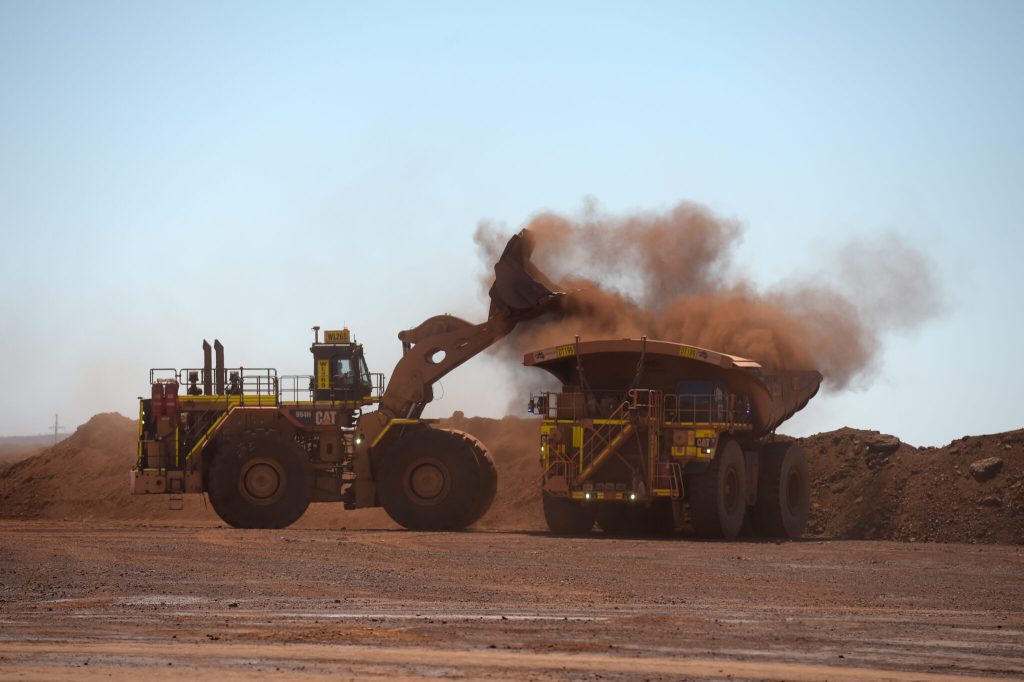
The intersection of indigenous rights and corporate interests often leads to contentious disputes, particularly in resource-rich regions. A recent case involving the Yindjibarndi traditional owner group in Western Australia highlights the ongoing struggle for equitable treatment in the face of industrial expansion. This blog post delves into the details of their legal battle against Fortescue Metals Group, exploring the implications of cultural harm and economic loss tied to mining activities.
In May, the Federal Court of Australia awarded the Yindjibarndi group A$150 million (approximately $108 million) as compensation for the cultural and economic damage inflicted by Fortescue’s mining operations. This ruling, however, fell significantly short of the A$1.8 billion the Yindjibarndi sought, raising questions about the adequacy of the compensation measures employed by the court. The essence of their grievance stems from Fortescue’s decision to commence mining on their ancestral land without the necessary permissions, leading to the destruction of numerous culturally significant sites.
The Yindjibarndi have been pursuing native title claims since 2003, a process entailing lengthy legal deliberations and negotiations. Fortescue, one of the world’s largest iron ore producers, began its operations in the area before the claims could be resolved, capitalizing on the burgeoning demand for iron ore driven by China’s industrialization. This rush has allowed the company to generate substantial revenue, often at the expense of indigenous communities like the Yindjibarndi who have ancestral ties to the land.
The appeal lodged by the Yindjibarndi Ngurra Aboriginal Corporation aims to challenge the Federal Court’s decision on several grounds. Notably, CEO Michael Woodley emphasized the rejection of a royalty-based compensation model for economic losses, which they believe more accurately reflects the impact of the mining activities. Instead, the court applied a freehold valuation based on pastoral rather than mining use, which the Yindjibarndi argue undermines the true value of their native title rights.
This legal battle exemplifies the broader conflict between indigenous rights and commercial interests, particularly in sectors like mining where the stakes are extraordinarily high. The Yindjibarndi group’s struggle is not just about monetary compensation; it represents a fight for recognition, respect, and restoration of their cultural heritage. The destruction of culturally significant sites is more than a material loss; it represents a severing of ties to their history and identity.
Key points to consider in this unfolding situation include:
1. **Cultural Heritage vs. Economic Gain**: The case underscores the tension between preserving cultural heritage and pursuing economic development, raising important questions about how societies prioritize these interests.
2. **Legal Precedents**: The outcome of the appeal may set a significant precedent for future cases involving indigenous claims against corporations. It could influence how compensation is calculated and what considerations are taken into account when assessing damage to cultural sites.
3. **Corporate Responsibility**: This dispute highlights the ethical responsibilities of corporations, particularly in resource extraction industries. Companies like Fortescue must navigate not only legal requirements but also the moral implications of their operations.
For traders and investors, this case serves as a critical reminder of the risks associated with investments in industries that impact indigenous lands. Understanding the socio-political landscape is essential for making informed investment decisions. Companies that fail to engage with local communities and address their concerns may face legal challenges that can disrupt operations and impact profitability.
In conclusion, the appeal by the Yindjibarndi traditional owner group against Fortescue Metals Group is more than a legal dispute over compensation; it represents a crucial moment in the ongoing dialogue about indigenous rights, cultural preservation, and corporate responsibility. As the case progresses through the courts, it will undoubtedly draw attention not only from legal experts but also from investors and corporate leaders who must reckon with the implications of such conflicts. The outcome may shape the future of mining operations in Australia and set a framework for how indigenous rights are respected in the face of economic development. The fight for justice is far from over, and it serves as a pivotal reminder of the importance of balancing cultural heritage with economic pursuits.