
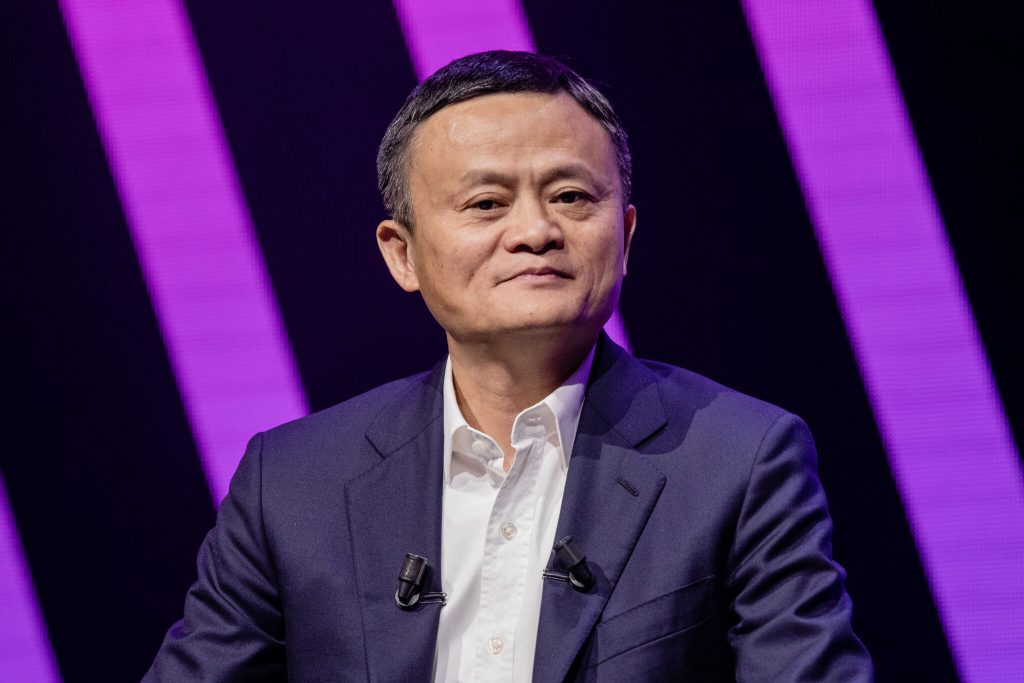
In a surprising turn of events, Jack Ma, co-founder of Alibaba Group Holding, has made headlines by purchasing a substantial amount of the company’s stock, a move that aims to stabilize the company’s shares following a tumultuous trading week. While this decision may seem surprising given the recent market dynamics surrounding Alibaba, it underscores a broader strategy focused on long-term viability amidst rising competition in the artificial intelligence (AI) sector.
Alibaba, the Chinese e-commerce giant, has seen its stock price face significant volatility, particularly after announcing plans to raise HK$80 billion through what is now recognized as Hong Kong’s largest follow-on share offering. This massive capital raise was intended to fund an aggressive push into AI, a sector that the company seems determined to dominate. However, it also raised eyebrows among investors concerned about the implications for Alibaba’s profitability and cash flow.
Jack Ma’s recent stock purchase of over HK$600 million (approximately $76.5 million) comes at a crucial time. Alongside him, other senior executives, including Chairman Joe Tsai and CEO Eddie Wu, collectively acquired shares worth at least $25 million. This concerted effort by the leadership team has resulted in a slight rebound in Alibaba’s stock price, which saw an increase of up to 3.2% on the day immediately following the news of Ma’s investment.
The central issue driving these stock fluctuations is Alibaba’s ambitious plan to invest heavily in AI technology. The company has committed to spending more than 380 billion yuan (about $56.5 billion) over the next three years to enhance its AI capabilities, including investments in data centers, chips, and the development of large-language models. This strategic pivot towards AI comes as Alibaba seeks to position itself ahead of formidable competitors like Tencent Holdings and ByteDance, who are also vying for dominance in this fast-evolving field.
However, the implications of these investments have not been lost on analysts and investors. With Alibaba’s profitability under pressure and ongoing challenges in its core online retail business due to sluggish domestic consumption, the aggressive financial strategy raises questions about the sustainability of its growth trajectory. The company’s increased capital spending, which reached nearly $10 billion in the recent quarter, reflects a commitment to long-term competitiveness rather than short-term gains.
Despite these challenges, Alibaba’s leadership remains optimistic about the future. CEO Eddie Wu highlighted that the company’s investments in AI are beginning to pay off, with expectations of annualized revenue from AI products reaching nearly $10 billion this quarter—a notable increase from approximately $7.3 billion in the previous quarter. This optimistic outlook suggests that Alibaba is laying the groundwork for a potential turnaround, although it acknowledges that the path may be fraught with challenges.
For traders and investors, Ma’s stock purchase signals a rare show of confidence from one of the company’s founders, potentially encouraging market participants to reconsider their positions. The alignment of the company’s leadership in acquiring shares may provide a vote of confidence that could help stabilize investor sentiment in the face of uncertainty.
Key points to consider from this situation include:
1. **Market Volatility**: Alibaba’s stock fluctuations highlight the inherent risks in tech investments, especially in rapidly changing sectors like AI.
2. **Long-term vs. Short-term Focus**: The company’s strategy of investing heavily in AI may bear fruit in the long run, but it raises immediate concerns regarding profitability and cash flow.
3. **Leadership Confidence**: The collective action of Alibaba’s executives purchasing shares may serve to reassure investors about the company’s future prospects.
In conclusion, Jack Ma’s decision to invest significantly in Alibaba’s stock reflects a strategic pivot aimed at reinforcing investor confidence amid a challenging landscape for the company. While the ambitious investments in AI signal a bold vision for the future, they also introduce a degree of uncertainty regarding profitability in the short term. For investors, this duality of risk and opportunity will be critical to navigate as they assess Alibaba’s potential trajectory in the evolving tech environment. As the company seeks to solidify its status as a leader in AI, the upcoming quarters will be pivotal in determining whether these investments translate into sustainable growth and renewed investor confidence.