
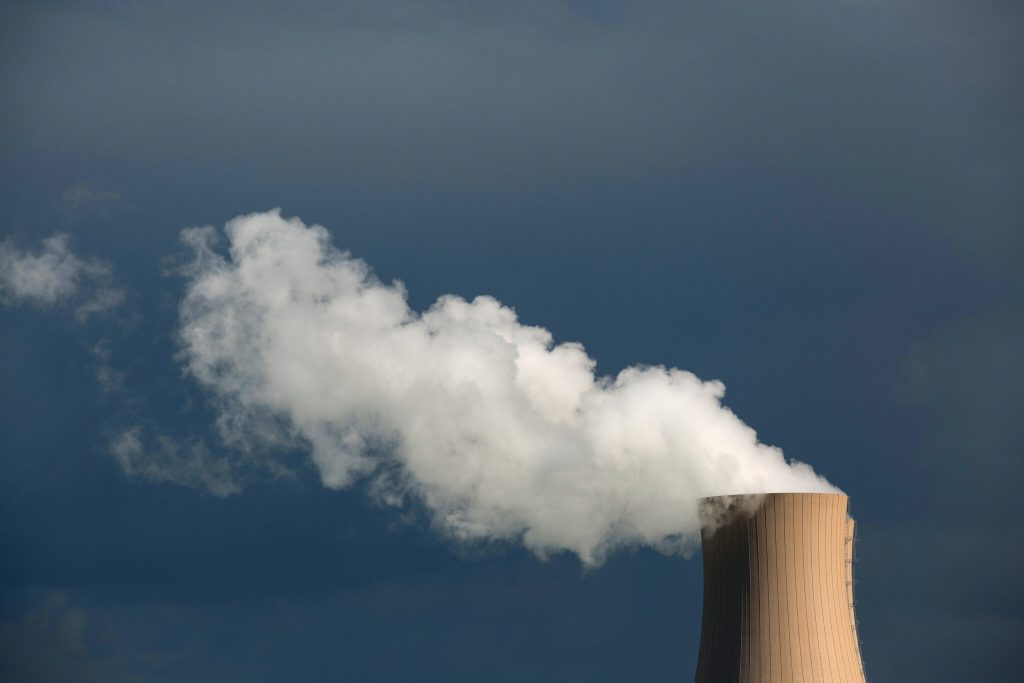
In a bold move toward enhancing energy security, the United States Army has announced plans to deploy small nuclear reactors across five military bases in the country. This initiative, backed by a substantial $2.2 billion investment, represents a significant step in the Trump Administration’s ongoing efforts to rejuvenate the US nuclear industry. As the military aims to harness cutting-edge technology to power its operations, the implications of this decision extend far beyond the battlefield, potentially influencing energy policies and market dynamics in the broader landscape.
The Janus Program, named after the Roman god of beginnings, will see the Army collaborating with five suppliers, each tasked with developing a microreactor for a designated site. This ambitious plan forecasts the installation of over 20 reactors within a five-year timeframe, with the first set to commence operations by the end of September 2028. The Army’s decision aligns with a nationwide push to expand nuclear capabilities, with the White House targeting a fourfold increase in US reactor capacity by 2050.
At the heart of this initiative lies the need for resilience in military operations. As adversaries increasingly target the power grid with a range of threats, including cyberattacks, the Army seeks to ensure that its bases can maintain uninterrupted power supply, even in the face of external disruptions. The microreactor design, typically generating less than 20 megawatts of power, is specifically engineered to meet the energy demands of military installations while offering increased reliability compared to traditional power sources.
Despite the promise of this initiative, the Army faces significant challenges as it embarks on this path. Most of the selected suppliers are venturing into untested territory, as none have fully developed microreactor designs to date. Jeff Waksman, the Army’s principal deputy assistant secretary for installations, energy, and environment, acknowledged the risks involved, indicating that the success of the program is not guaranteed. “We know that this is going to be very difficult and that there’s a very real chance that one or more of these companies will fail,” Waksman stated, emphasizing the uncertainties surrounding the initiative.
The chosen suppliers represent a diverse mix of established companies and emerging startups. Westinghouse, known for its expertise in large nuclear power plants, is adapting its approach for this new design. BWXT has a solid track record of providing reactors for the US Navy but faces the challenge of scaling up its designs for military bases. General Atomics, a defense contractor with a strong foundation in nuclear energy, is also working on a new reactor tailored for the Army’s needs. Meanwhile, Antares and Radiant, both startups, are entering a competitive field where they have yet to prove their capabilities on a large scale.
Key takeaways from the Army’s nuclear initiative include the pressing need for energy security within military operations and the potential for nuclear technology to reshape the energy landscape in the US. As military bases increasingly rely on self-sufficient power sources, the implications for energy policy and the nuclear industry as a whole could be profound. The initiative not only highlights the Army’s commitment to innovation but also underscores the importance of resilience in the face of evolving threats.
For traders and investors, this development presents both opportunities and risks. The growing interest in nuclear technology, particularly in the context of defense, could lead to increased investment in companies involved in the development of microreactors and associated technologies. However, the challenges of untested designs and the potential for project delays should be carefully considered when evaluating these investment opportunities. Companies that successfully navigate these challenges may find themselves at the forefront of a burgeoning market, while those that falter could face significant setbacks.
In conclusion, the US Army’s plan to deploy small nuclear reactors across military bases marks a pivotal moment in the intersection of defense and energy policy. This initiative not only aims to bolster the resilience of military operations but also holds the potential to invigorate the domestic nuclear industry. As the Army moves forward with its ambitious plans, stakeholders across the spectrum—ranging from policymakers to investors—will be closely watching the outcomes of this groundbreaking program. The success or failure of the Janus Program could pave the way for a new era of energy independence and security, both for the military and the nation as a whole.