
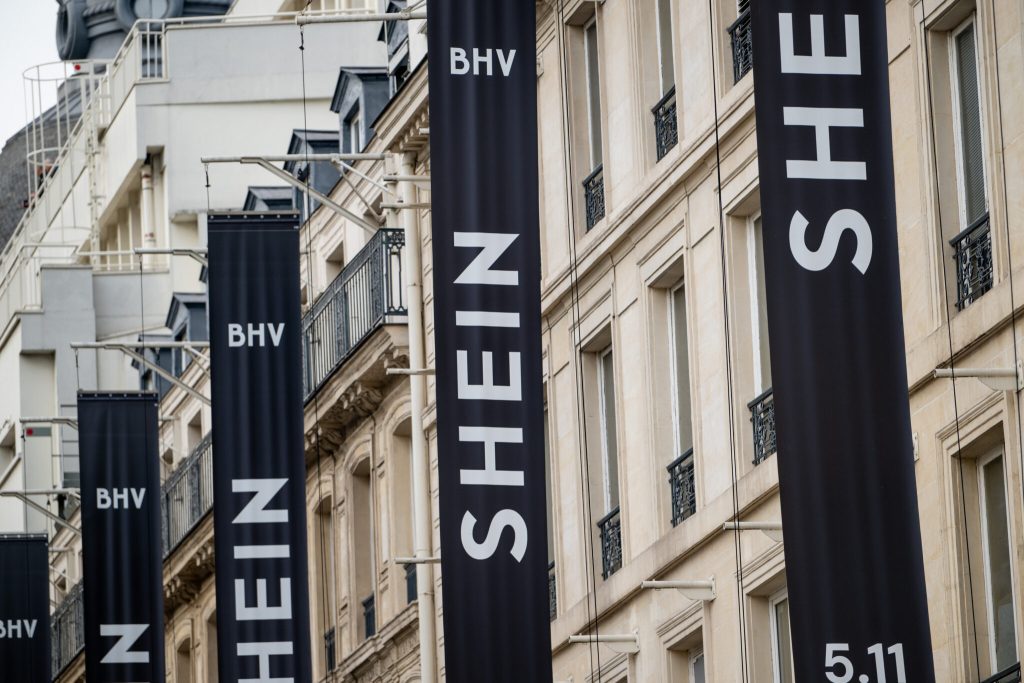
The fast-fashion landscape is witnessing a significant transformation as Shein Global Holdings steps into the public eye with its recent initial public offering (IPO). This bold move has raised HK$13.6 billion, equivalent to approximately $1.7 billion, marking a pivotal moment for the company as it seeks to navigate the complexities of the market while contending with both challenges and opportunities. As investors keenly observe this development, it is crucial to unpack the implications of Shein’s IPO and what it signifies for the broader retail sector.
Shein, a name synonymous with affordable and trendy clothing, has garnered immense popularity since its inception in mainland China. The company has cultivated a reputation for providing ultra-cheap fashion that resonates with a young, social media-savvy demographic. However, its recent IPO highlights a stark contrast to the company’s earlier valuation of around $100 billion four years ago. Now, Shein’s market cap hovers just above $26 billion, reflecting the tumultuous shifts that have occurred in the retail environment.
The pricing of Shein’s IPO was set at HK$48.56 per share, with around 280 million shares being sold. This move has positioned the company to begin trading on the Hong Kong Stock Exchange, with the first trades expected to commence on September 1. Despite the excitement surrounding the IPO, several underlying factors have contributed to Shein’s current valuation and its decision to list in Hong Kong, particularly after previous attempts to go public in the US and UK were thwarted by regulatory concerns.
One of the key challenges facing Shein is the slowdown in its growth trajectory. The retailer recently reported a loss of $99 million in the first quarter of 2026, a stark contrast to the $395 million profit it posted a year earlier. This decline in profitability raises questions regarding Shein’s ability to sustain its business model, especially amidst increasing competition from rivals such as PDD Holdings’ Temu, which have gained traction in crucial markets like the US and Europe. Furthermore, the impact of tariffs and geopolitical tensions, such as the ongoing conflict in the Middle East, have led to rising material costs, forcing Shein to adjust its pricing strategy.
The dynamics of the fast-fashion industry have shifted dramatically, and Shein is not alone in facing these hurdles. The broader market has seen an increasing emphasis on sustainability, ethical production, and transparency, areas where fast-fashion brands often struggle to meet consumer expectations. As consumers become more conscientious about their purchasing decisions, companies like Shein may need to rethink their strategies to remain relevant and competitive.
In terms of investor sentiment, Shein’s IPO has been buoyed by strong backing from existing investors, with five out of seven cornerstone investors being previous supporters. This strategic alignment underscores the importance of maintaining investor confidence as Shein navigates its future. The company is also expected to allocate a significant portion of shares to fund managers, which could influence the stock’s performance post-IPO.
For traders and investors considering the implications of Shein’s IPO, several key takeaways emerge. First, the fast-fashion model, while popular, is under increasing pressure from external factors such as tariffs and competition. Secondly, Shein’s ability to adapt to changing market conditions will be critical in determining its long-term success. Lastly, the backing of established investors may provide a safety net, but it also highlights the need for Shein to deliver results to maintain that confidence.
In conclusion, Shein’s IPO marks a significant milestone in its journey, reflecting both the challenges and opportunities that lie ahead in the fast-fashion sector. As the company embarks on this new chapter, stakeholders will be watching closely to see how Shein adapts to the evolving landscape while addressing the growing demands for transparency and sustainability. The path forward may be fraught with challenges, but with a strategic approach and a keen understanding of market dynamics, Shein has the potential to redefine its position in the retail world.