
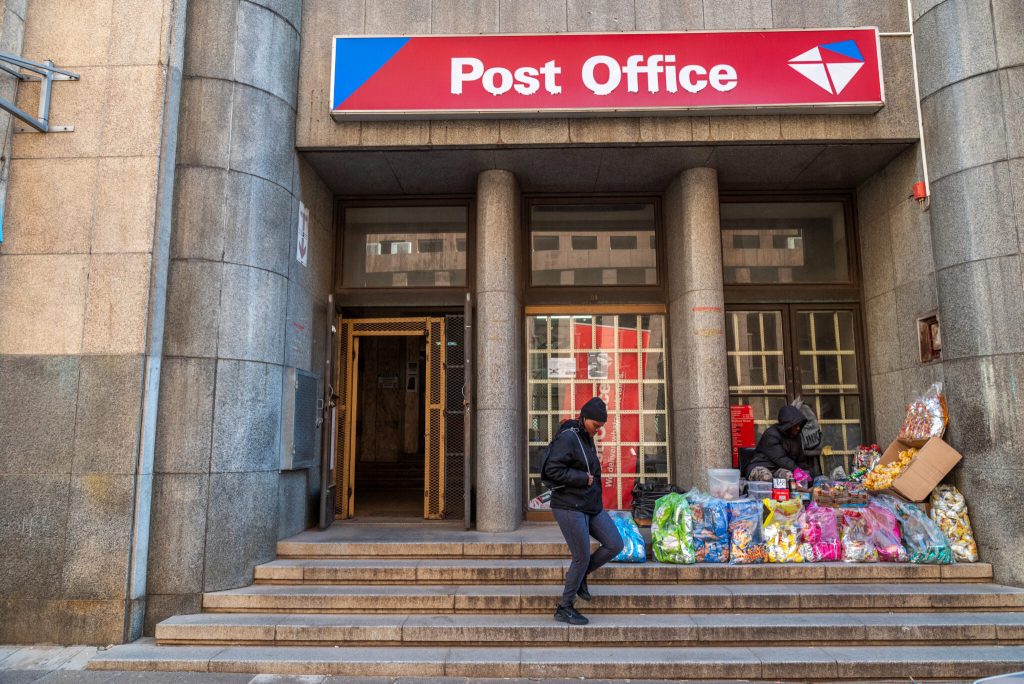
The South African Post Office (Sapo) has been a cornerstone of communication and logistics in the country for over a century. However, recent years have witnessed a significant decline in its financial health. Now, with a glimmer of hope, Sapo is emerging from business rescue, aiming to redefine itself as a sustainable enterprise. This blog post delves into the current state of Sapo, its transformation plans, and the implications for both investors and the broader economy.
For years, Sapo has faced overwhelming challenges, including crippling financial losses and a shrinking operational footprint. The road to recovery has been fraught with obstacles, leading many to question whether the organization could ever regain its footing. It is against this backdrop that Fathima Gany, the acting chief executive of Sapo, has taken the helm, asserting that a turnaround is indeed possible.
At the heart of Sapo’s transformation is the realization that the organization must adapt to survive in an increasingly competitive landscape. Gany emphasizes the importance of resetting the business to meet contemporary demands. The business rescue process, according to her, was not merely a temporary reprieve but a strategic maneuver aimed at realigning the company’s priorities and operations. This reset is necessary for Sapo to evolve into a more robust entity that can withstand the pressures of modern-day logistics and communication.
One of the key achievements during the business rescue phase has been an improved balance sheet. While this is a step in the right direction, Gany acknowledges that cash flow remains a persistent issue. The journey toward sustainability is still ongoing, and the organization may require additional financial support from the government to bridge the gap. Questions linger about the feasibility of Sapo’s recovery without continued state backing.
The departure from business rescue is not the end of the road, but rather the beginning of a new chapter for Sapo. The organization aims to redefine its identity and operations, seeking to become a provider of innovative services that cater to the needs of a changing consumer base. Gany highlights that the new version of Sapo will not resemble its past; rather, it will be a forward-thinking enterprise that embraces partnerships and collaborations to enhance its services.
One critical aspect of this transformation is the importance of securing an unqualified audit. Gany describes this achievement as a significant milestone, lending credibility to Sapo’s financial statements. An unqualified opinion from the Auditor-General indicates that Sapo’s financial data can be trusted, which is essential for attracting potential partners and investors. This reliability in financial reporting is crucial as Sapo seeks to establish itself as a viable player in the logistics sector.
However, despite the positive audit, concerns remain about Sapo’s long-term viability. The Auditor-General has raised questions about the organization’s ability to operate as a going concern. This dichotomy poses a challenge for Sapo as it strives to convince stakeholders of its stability while navigating the complexities of public perception.
Key takeaways from Sapo’s journey include the emphasis on adaptability and innovation as the keys to survival in today’s market. The organization must not only address its existing financial challenges but also anticipate future needs. This proactive approach will require a willingness to explore new revenue streams and partnerships that can inject necessary capital and expertise into the organization.
For traders and investors, the developments at Sapo present both risks and opportunities. On one hand, the organization’s recovery plan and improved balance sheet may signal a potential turnaround, presenting an opportunity for investment. On the other hand, the uncertainty surrounding its future cash flow and reliance on government support serves as a cautionary tale. Investors must weigh these factors carefully and conduct thorough due diligence before making any decisions.
In conclusion, the South African Post Office stands at a crucial juncture. As it transitions out of business rescue, the potential for recovery hinges on its ability to adapt and innovate in a rapidly changing market. While there are still hurdles to overcome, Sapo’s leadership is optimistic about the future. By focusing on transparency, strategic partnerships, and operational efficiency, the organization aims to position itself for long-term success. For stakeholders and investors alike, the unfolding story of the South African Post Office serves as a reminder of the complexities of corporate recovery and the importance of resilience in the face of adversity.