
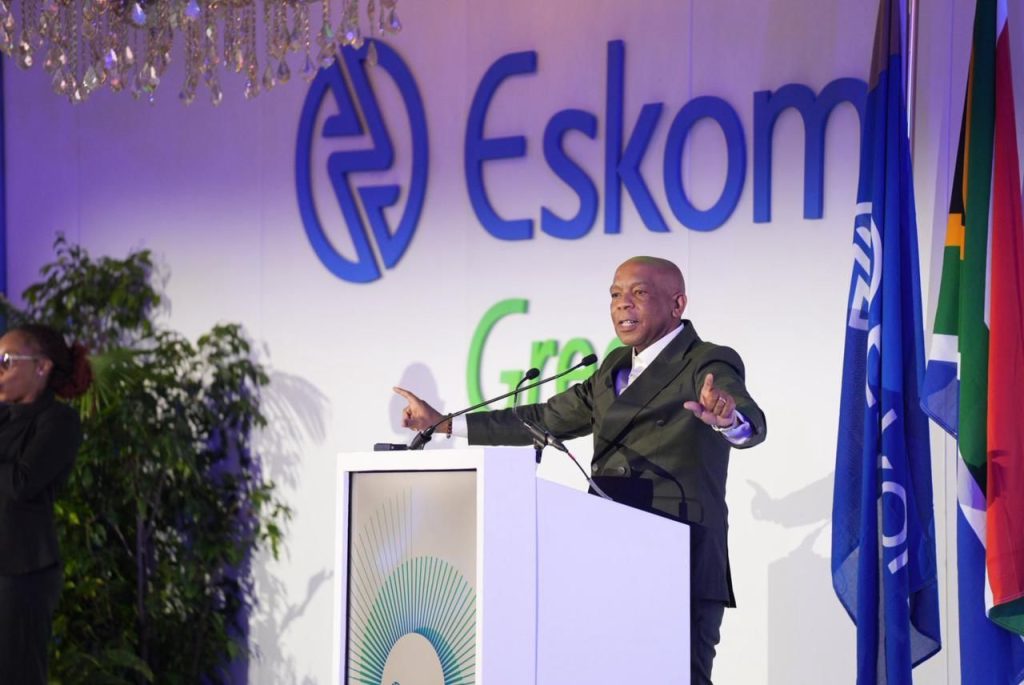
In a country plagued by energy shortages and frequent power outages, the conversation surrounding the future of Eskom, South Africa’s state-owned electricity utility, has reached a pivotal moment. Minister of Electricity and Energy, Kgosientsho Ramokgopa, has put forth a bold vision aimed at ensuring Eskom not only survives but thrives in a competitive landscape dominated by private energy producers. This proposed transformation may involve significant legislative changes, stirring debates around the feasibility and implications of such moves.
The essence of Ramokgopa’s proposal lies in the notion of “liberating” Eskom from the stringent confines of the Public Finance Management Act (PFMA). This act, designed to instill fiscal discipline and accountability within state entities, is viewed by Ramokgopa as a hindrance to Eskom’s ability to compete effectively in the evolving energy market. His vision includes not only freeing Eskom from these regulations but also subjecting private sector players to similar social obligations that Eskom currently upholds. This proposal aims to level the playing field, fostering a fairer competitive environment.
As the conversation deepens, it reveals a complex interplay of interests and concerns that require careful examination. The reality is that Eskom currently controls a substantial portion of the market—approximately 70% of South Africa’s electricity generation capacity. This dominance places Eskom in a relatively advantageous position compared to private competitors. However, Ramokgopa argues that the utility’s operational restrictions, imposed by the PFMA, prevent it from responding swiftly to market opportunities, thus limiting its competitiveness against agile private sector entities.
Critics of Ramokgopa’s approach express skepticism regarding the legality and practicality of his proposed reforms. Peter Attard Montalto, managing director of Krutham, questions whether these changes could realistically be implemented within the current legislative framework. His concerns underscore the complexity of navigating the intricacies of public policy and governance, particularly within a sector as vital as energy.
Moreover, Anton Eberhard, a respected academic in the field of energy economics, highlights the need for fundamental structural reforms in the power sector—reforms that may go beyond simply easing Eskom’s regulatory burdens. Eberhard’s insights point to the necessity of rethinking Eskom’s role in an increasingly privatized energy landscape, suggesting that a more nuanced approach may be required to foster competition without compromising the utility’s ability to serve the public interest.
The debate surrounding Ramokgopa’s proposals also echoes historical grievances articulated by other leaders in the public sector. Khaya Sithole, a chartered accountant, draws parallels to the arguments made by Vuyani Jarana, former CEO of South African Airways (SAA), who lamented the constraints imposed by the PFMA on SAA’s operations. Jarana famously likened SAA to a racehorse with its legs tied, unable to compete effectively against private airlines. Sithole’s commentary serves as a cautionary reminder that while regulatory flexibility may offer immediate competitive advantages, it must be balanced against the overarching need for accountability and oversight in public enterprises.
As discussions unfold, several key takeaways emerge for investors and traders closely monitoring the energy sector. Firstly, the evolving regulatory landscape in South Africa presents both risks and opportunities. Investors in private energy companies may benefit from a more level playing field, should the government implement reforms that equalize operational constraints across the board. Conversely, potential investors in Eskom must navigate uncertainties regarding its regulatory status and operational autonomy.
Additionally, as South Africa grapples with its energy crisis, there is a growing urgency for innovative solutions that can address supply challenges sustainably. The integration of renewable energy sources and advancements in energy storage technologies may offer pathways for Eskom and private players to collaborate rather than compete destructively.
In conclusion, the future of Eskom and South Africa’s energy market remains a contentious and dynamic issue. Kgosientsho Ramokgopa’s proposals for regulatory reform may spark necessary conversations about competitiveness and accountability in the sector. However, the path forward will require careful consideration of the broader implications for public oversight and the long-term sustainability of the energy landscape. As stakeholders engage in this critical dialogue, the outcomes will undoubtedly shape the future of energy provision in South Africa, presenting both challenges and opportunities for all involved.