
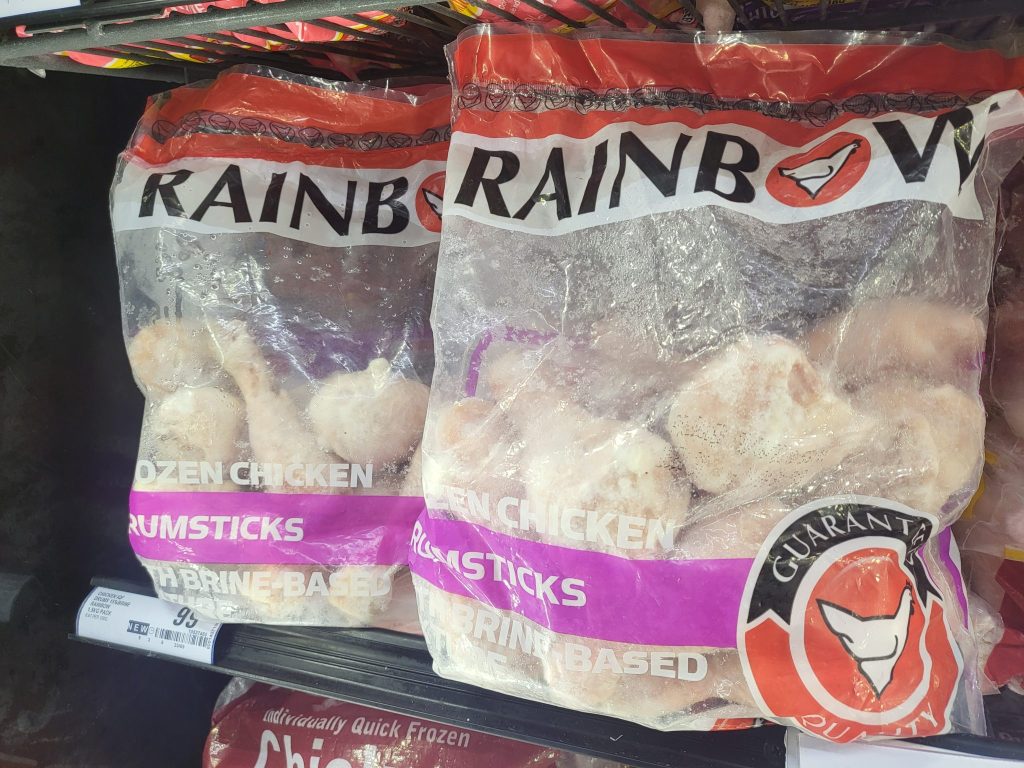
In an era where market volatility and economic uncertainties loom large, Rainbow Chicken has emerged as a beacon of resilience and success. The company recently released its financial results for the fiscal year ending June 28, 2026, showcasing a remarkable performance that aligns closely with its forecasts. This blog post will delve into the key factors contributing to Rainbow Chicken’s success, analyze its financial metrics, and provide insights for traders and investors looking to navigate the poultry industry.
Rainbow Chicken’s financial report revealed a significant uptick in its revenue, which rose by 7.7% to a staggering R17.1 billion. More impressive was the company’s earnings before interest, taxes, depreciation, and amortization (EBITDA), which surged to R2.1 billion, effectively doubling from the previous year. Such robust growth is not merely a numerical victory; it signals the company’s ability to adapt to changing market conditions and its commitment to operational excellence. The earnings per share (EPS) reflected this positive trend, more than doubling to 149.55 cents, while the headline earnings per share (HEPS) climbed by an impressive 130% to reach 150.87 cents.
A closer examination of the underlying factors reveals that Rainbow Chicken’s success can be attributed to several key elements. The company benefited from favorable market conditions, which included a heightened demand for poultry products alongside declining commodity prices. This scenario created an advantageous environment for the firm, allowing it to capitalize on increased sales while simultaneously reducing input costs. Furthermore, the company’s strategic focus on maximizing agricultural and operational efficiency played a pivotal role in enhancing its profitability.
Breaking down the performance by divisions provides additional insight into the company’s operational strengths. The chicken division stood out with exceptional results, primarily driven by firm pricing strategies, a well-crafted product mix, and enhanced agricultural performance. The company’s ability to adapt its product offerings to meet consumer preferences has proven vital in maintaining competitive pricing and ensuring customer loyalty.
Meanwhile, the animal feed division also demonstrated resilience despite facing challenges such as lower selling prices resulting from softer raw material costs. By concentrating on higher-margin volumes, this division managed to improve its profitability, which is a testament to Rainbow Chicken’s adept management strategies. In addition, the waste-to-value division, while still under strategic scrutiny, showcased improved performance from the Rustenburg plant, indicating potential for future growth.
Maintaining a robust financial position is essential for any company’s sustainability, and Rainbow Chicken is no exception. By the end of the fiscal year, the company’s cash and cash equivalents rose to R2.4 billion, bolstered by enhanced profitability and prudent capital allocation strategies. The company’s low levels of debt further enhance its financial health, providing a solid foundation for future expansion and investment opportunities.
In light of these impressive results, the board of directors has approved a net final dividend of 36 cents per share, a significant increase from the 16 cents per share distributed in the previous year. Additionally, a special dividend of 60 cents per share reflects the company’s commitment to returning value to its shareholders. Such decisions not only enhance investor confidence but also signal a strong outlook for the company’s future.
Key takeaways from Rainbow Chicken’s recent financial performance include the importance of adaptability in a fluctuating market, the value of strategic product positioning, and the critical need for efficient operational management. For traders and investors, these insights suggest that companies capable of navigating challenges while maintaining profitability deserve close attention.
As the poultry market continues to evolve, Rainbow Chicken’s success story serves as a case study in effective management and strategic foresight. Investors looking to enter or expand within the poultry sector should consider the lessons learned from Rainbow Chicken’s performance, focusing on companies with similar operational strengths and market adaptability.
In conclusion, Rainbow Chicken’s latest financial results not only highlight its impressive growth but also provide valuable insights into the dynamics of the poultry industry. With strong earnings, strategic management, and a commitment to shareholder value, Rainbow Chicken stands out as a leader in its field. As market conditions change, it will be fascinating to observe how the company continues to adapt and thrive in an ever-competitive landscape.