
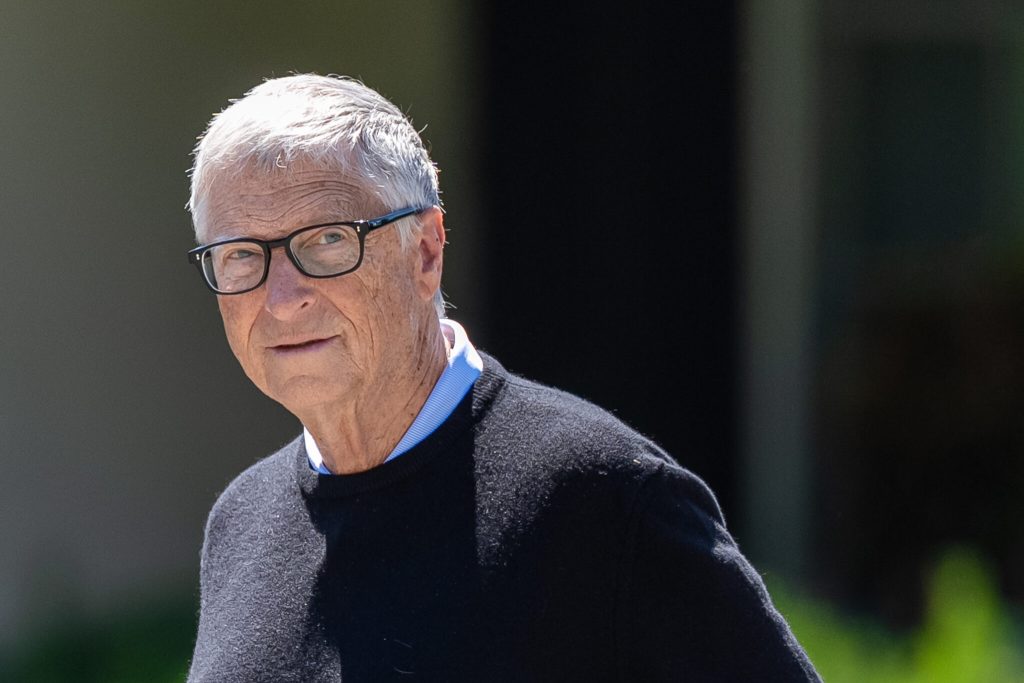
In a world increasingly dominated by technological advancements, the conversation surrounding artificial intelligence (AI) has reached a fever pitch, drawing opinions from various influential figures. One such voice is that of Bill Gates, the co-founder of Microsoft Corp, who recently shared his thoughts on the transformative power and potential dangers of AI. In a candid essay published on his personal website, Gates emphasized the need for immediate action from both tech companies and regulators to address the risks associated with this powerful technology. He argues that while the benefits of AI are vast, society faces a critical window to establish guidelines and frameworks before the ramifications of AI’s rapid growth become unmanageable.
Gates’ essay provides a compelling overview of the current state of AI and its unprecedented speed of development. He notes that the pace at which AI is evolving differs significantly from previous technological revolutions, such as the personal computer revolution of the 1980s and 90s. During that time, the integration of computers into everyday work took approximately two decades, primarily due to the need for new hardware, software, and a workforce skilled in technology. In stark contrast, Gates points out that AI operates on devices that are already widely owned and used, allowing it to integrate into our lives almost seamlessly. The technology’s ability to communicate in natural language and learn from existing data further removes barriers that once slowed down the adoption of new innovations.
Gates expresses a paradoxical sentiment: while he typically advocates for rapid innovation, he believes that AI’s benefits should be balanced with a deliberate effort to address its risks. He is acutely aware of the geopolitical and economic pressures driving countries and corporations to push the boundaries of AI development. This competitive landscape raises concerns that regulatory bodies will struggle to keep pace with the technology’s rapid evolution. Gates stresses that waiting for crises to manifest before implementing regulations could be a catastrophic mistake. Instead, he urges governments to start building the necessary institutions and frameworks now, coordinating across agencies and establishing international norms to manage the inevitable disruptions AI will bring.
A key aspect of Gates’ message revolves around AI’s potential impact on the labor market. Unlike previous technological advancements that often saw jobs return in some form, Gates warns that AI could permanently eliminate many entry and mid-level positions. Roles in sales, customer support, software engineering, and even paralegal work may face significant threats as AI systems become capable of performing cognitive tasks independently. He predicts that as AI technology advances, its reach will extend beyond white-collar jobs to encompass more physical work roles by the end of the decade. The advent of dexterous robots may soon pose competition for human workers in sectors like construction and hospitality, presenting new challenges for job security and economic stability.
Key Takeaways from Gates’ Essay:
1. The rapid development of AI is unlike any previous technological revolution, with fewer barriers to entry.
2. Immediate action is necessary for governments and regulators to establish guidelines and institutions for managing AI’s impact.
3. AI poses a unique threat to the labor market, potentially eliminating jobs permanently rather than temporarily.
4. The geopolitical race for AI dominance could hinder collaborative efforts to mitigate risks.
5. Workers across various sectors, including blue-collar roles, may soon face competition from AI technologies.
For traders and investors, Gates’ insights provide critical context for understanding the evolving landscape of technology and its implications for the markets. The rise of AI represents both an opportunity and a challenge; while companies harnessing AI technologies may see significant growth, those that fail to adapt could be left behind. Investors should be cautious and consider the potential for regulatory changes that could affect the profitability and operational frameworks of tech firms. Moreover, the anticipated shifts in labor markets may lead to changes in consumer behavior and spending patterns, which could further influence investment strategies.
In conclusion, Bill Gates’ call for responsible AI development serves as a wake-up call for both the tech industry and policymakers. As AI continues to advance at an unprecedented rate, the time to act is now. By proactively addressing the risks associated with this transformative technology, we can better position ourselves to harness its benefits while safeguarding our society’s future. The conversation surrounding AI is just beginning, and it is imperative that stakeholders across all sectors engage in thoughtful dialogue and collaborative action to navigate this brave new world responsibly.