
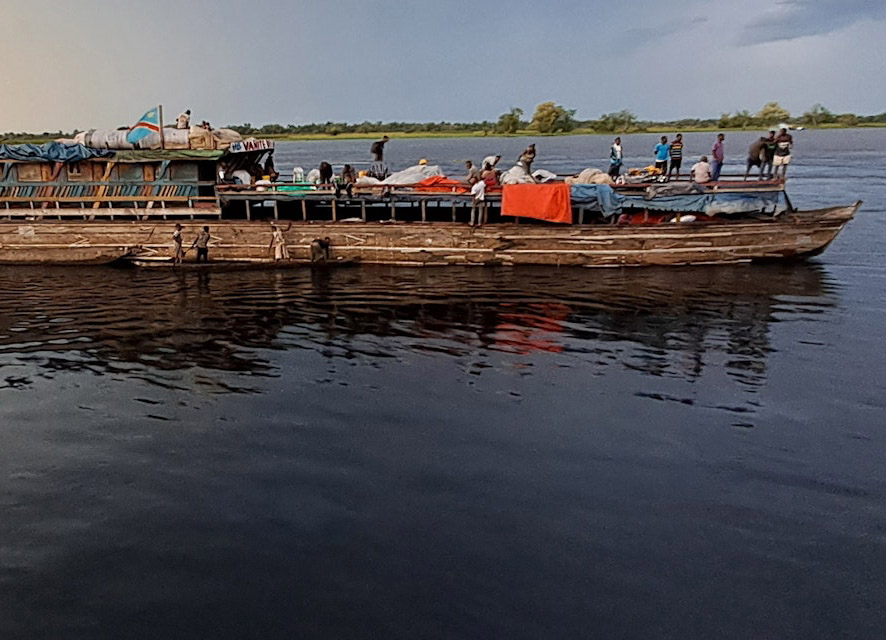
In the heart of Africa, the Democratic Republic of Congo (DRC) presents a complex tapestry of challenges and resilience, particularly in its transportation systems. Among the myriad of transport options, a unique and vital player emerges: the baleinière. This wooden vessel is more than a means of transport; it is a lifeline for many communities, connecting urban centers to agricultural hinterlands, and providing essential services in a country often marred by conflict and economic instability. Understanding the intricacies of these watercraft offers valuable insights into the socio-economic fabric of the region.
The DRC’s road transportation system has garnered considerable academic interest, often overshadowed by the critical role of its inland waterways. While larger vessels have been the focus of previous studies, the smaller, artisanal craft known as baleinières remain less explored despite their significant contribution to the economy and daily life. These handcrafted boats, measuring between 20 to 40 meters, are ingeniously designed to navigate the expansive river networks of the Congo Basin, which includes approximately 25,000 kilometers of navigable waterways. Their importance is particularly evident in urban areas such as Kinshasa, Mbandaka, and Kisangani, where they facilitate the movement of goods and people, bridging gaps between rural producers and urban consumers.
Baleinières play a crucial role in sustaining the food security of cities, including Kinshasa, the third-largest city in Africa. These vessels transport not only agricultural products but also passengers, fostering economic interactions and cultural exchanges. For instance, in Kisangani, a city with a population of around two million, approximately 80 baleinières dock at private ports each month, carrying an average of 150 tons of goods and accommodating around 150 passengers. Kinshasa, with its staggering population of 17 million, sees several hundred of these boats arriving monthly, underscoring their indispensable role in the region’s transport infrastructure.
However, the reliance on baleinières is not without its perils. Accidents are alarmingly common, resulting in the tragic loss of countless lives each year. The causes of these incidents are multifaceted, often stemming from structural deficiencies in the vessels, inadequate professional training for crews, and the urgency of economic survival that leaves safety measures on the backburner. These boats, while a product of local ingenuity and necessity, often lack the modern safety features that could mitigate risks, making the case for urgent research into the socio-technical factors contributing to these disasters.
Key takeaways from the study of baleinières reveal the intricate relationship between traditional knowledge and modern economic needs. The construction of these vessels incorporates local materials and expertise, reflecting a deep understanding of the riverine environment. Their affordability and efficiency make them a preferred choice for many, yet this reliance on frugal innovation also highlights the pressing need for systemic improvements in safety and training for those who operate them.
For traders and investors, the baleinière system presents both challenges and opportunities. On one hand, the risks associated with accidents and the lack of formal regulations can deter investment in this sector. On the other hand, recognizing the baleinière’s role in facilitating trade and ensuring food security can lead to innovative solutions. There is potential for developing partnerships that focus on enhancing safety standards, providing training for crews, and improving the structural integrity of these vessels. Such initiatives could not only save lives but also bolster the economy by ensuring a more reliable transportation system.
In conclusion, the baleinière is a remarkable example of how communities adapt to their environments and navigate economic challenges. While they represent a critical component of the DRC’s transport network, their operational realities demand attention and research. By addressing the systemic issues surrounding their use, stakeholders can enhance safety, promote economic growth, and ultimately improve the lives of countless individuals who depend on these wooden vessels for their livelihoods. The story of the baleinière is not just one of survival; it is a testament to human resilience and innovation in the face of adversity.