
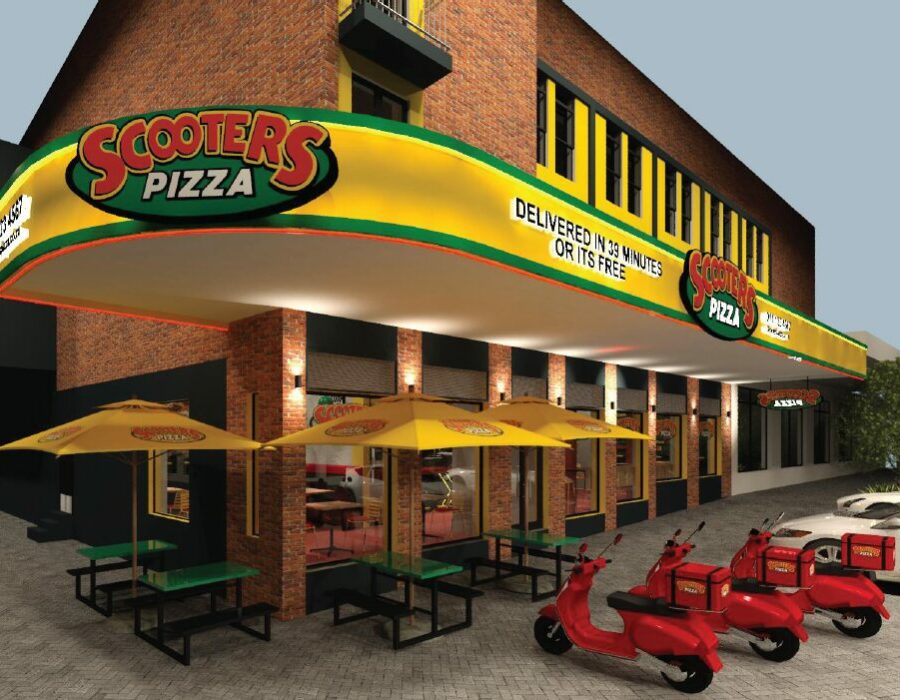
In recent years, the South African fast-food market has experienced a significant transformation, and one of the most notable comebacks is that of Scooters Pizza. After a decade-long hiatus, this iconic brand has re-entered the market with a renewed vigor, aiming to establish a robust national presence. With plans to expand its footprint significantly, Scooters Pizza is poised to become a key player in the competitive fast-food landscape of South Africa. This blog post will delve into the brand’s strategic moves, the rationale behind its expansion, and what this means for investors and the industry at large.
In October 2025, Scooters Pizza made a triumphant return, opening its first outlet in Melville. This marked the beginning of a new chapter for the brand, which had previously fallen off the radar after its acquisition by Taste Holdings in 2016. Now, just nine months later, Scooters Pizza has successfully launched its 10th store and is ambitiously targeting a total of 20 outlets by the end of November 2025. The expansion has seen the brand establish a presence across key regions, including Gauteng, Limpopo, and the Western Cape.
One of the driving forces behind this resurgence is the partnership with Vernon Marais, a former franchisee of Nando’s who has been appointed as the master franchise holder for the Western Cape and KwaZulu-Natal (KZN). Marais brings a wealth of experience, previously managing eight Nando’s outlets and operating a last-mile delivery platform, Skedadel, known for handling around 100,000 deliveries per month for various fast-food brands. This expertise not only enhances Scooters Pizza’s operational capabilities but also strengthens its delivery infrastructure, which is vital in today’s fast-paced food industry.
The decision to target KZN for expansion is particularly strategic; the region has shown a strong demand for the brand, with over 250 franchise inquiries originating from KZN alone since the relaunch. This response indicates a market eager for diverse offerings, and Scooters Pizza aims to capitalize on this enthusiasm. The brand’s ability to leverage technology and an efficient delivery system will serve as a competitive advantage, especially in regions with robust demand for food delivery services.
Scooters Pizza’s resurgence is not just about opening new outlets; it also involves a complete rethinking of its franchise model. The new management team has restructured the franchise economics to lower the barriers for entry, reducing both capital requirements and ongoing fees for franchisees. This shift is a departure from the previous corporate structure, which had limited the brand’s flexibility and growth potential. According to Juan Engelbrecht, the group CEO, the brand has severed all ties with its former corporate structure, establishing a new entity that is free from any previous operational constraints.
Key points to note about Scooters Pizza’s strategy include its focus on technology integration, a streamlined franchise model, and a commitment to a strong delivery infrastructure. The brand is actively pursuing locations that not only align with its operational goals but also cater to consumer preferences in a rapidly changing market. This approach is particularly relevant given the rising trend of online ordering and delivery in the fast-food sector.
For traders and investors, the revival of Scooters Pizza represents a noteworthy opportunity. The fast-food sector in South Africa is poised for growth, driven by changing consumer lifestyles and increasing demand for convenience. Investors looking to enter this market should consider the potential of franchises like Scooters Pizza that are innovating their business models and expanding their reach.
In conclusion, the comeback of Scooters Pizza is a testament to the resilience and adaptability of brands in the fast-food industry. With a clear focus on operational efficiency, franchise accessibility, and leveraging technology for delivery, Scooters Pizza is not only revitalizing its brand but is also contributing to the broader recovery of the South African economy. As the company continues to expand its footprint, it will be interesting to observe how it navigates the challenges of a competitive landscape and what impact it will have on the industry moving forward. For investors, this could be a prime opportunity to get involved in a brand that is not only making a comeback but is also redefining its operational framework for future success.