
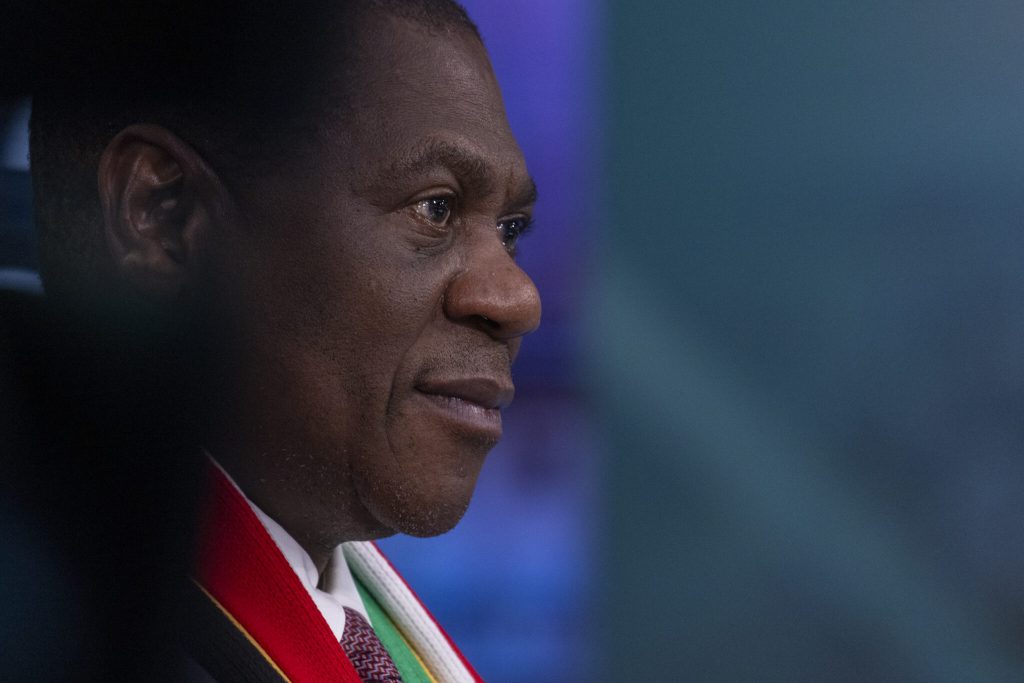
In recent weeks, the health of Deputy President Paul Mashatile has sparked considerable interest and concern among the public and political analysts alike. Following a minor surgical procedure, Mashatile is now on the road to recovery, as confirmed by his office. This situation not only raises questions about the deputy president’s well-being but also highlights the potential impact on South Africa’s political future, especially in light of the anticipated leadership transitions within the African National Congress (ANC) and the nation itself.
Mashatile, who is 64 years old, reportedly fell ill at his home in Johannesburg, leading to his hospitalization. While his office has provided assurances that he is recovering and remains engaged with his duties, some reports have suggested that he was once in an intensive care unit. However, the office has refrained from discussing unverifiable claims out of respect for Mashatile’s privacy, emphasizing the importance of medical confidentiality.
The backdrop to Mashatile’s health situation is significant given the political climate in South Africa. As the country prepares for an eventual leadership change, many analysts consider Mashatile a strong contender to succeed President Cyril Ramaphosa. The president is expected to step down as the leader of the ANC next year, with speculation surrounding his departure from the presidency in 2029. This impending shift creates a heightened sense of urgency around the health and stability of key political figures like Mashatile, whose future role could influence the direction of the country.
Understanding the implications of Mashatile’s health on South Africa’s political landscape is essential for both citizens and investors. A healthy and active deputy president is pivotal in maintaining governmental stability, especially as the ANC navigates internal dynamics and prepares for the upcoming elections. The health of leaders can have a direct impact on public confidence, consequently affecting economic conditions and investment strategies.
Key points to consider include the following:
1. **Political Stability**: The health of key political figures often serves as a barometer for the stability of the government. Should Mashatile face any prolonged health issues, it could lead to uncertainties regarding succession plans within the ANC.
2. **Leadership Transition**: With Ramaphosa’s anticipated exit, Mashatile’s role becomes crucial. His ability to lead effectively could bolster or weaken the ANC’s position as they prepare for the challenges ahead, including economic recovery and public service delivery.
3. **Public Confidence**: A leader’s health can significantly affect public trust. If citizens perceive instability within the leadership due to health concerns, it could lead to political unrest or decreased voter turnout in future elections.
4. **Investor Sentiment**: Political stability is a key component of a favorable investment climate. Investors tend to be wary of uncertainty, and the health of prominent leaders can sway market confidence. A stable political environment generally leads to better economic performance, attracting both local and foreign investments.
For traders and investors, these developments underscore the necessity of staying informed about the political landscape. The interplay between health, leadership, and governance can lead to both risks and opportunities. Monitoring health news regarding key political figures can serve as an early warning system for potential market volatility.
Moreover, it is essential to consider that the political dynamics within the ANC are not solely about the candidates. They are also about the policies and priorities that these leaders will champion. Investors should align their strategies with potential shifts in governance that may arise from leadership changes.
In conclusion, the health of Deputy President Paul Mashatile is more than a personal matter; it is intertwined with the future political landscape of South Africa. As the nation anticipates a significant leadership transition, the implications of Mashatile’s recovery—or any setbacks—could reverberate throughout the economy and financial markets. Stakeholders, from citizens to investors, should keep a close watch on how these developments unfold, as they will undoubtedly shape the trajectory of governance and economic policy in the coming years.