
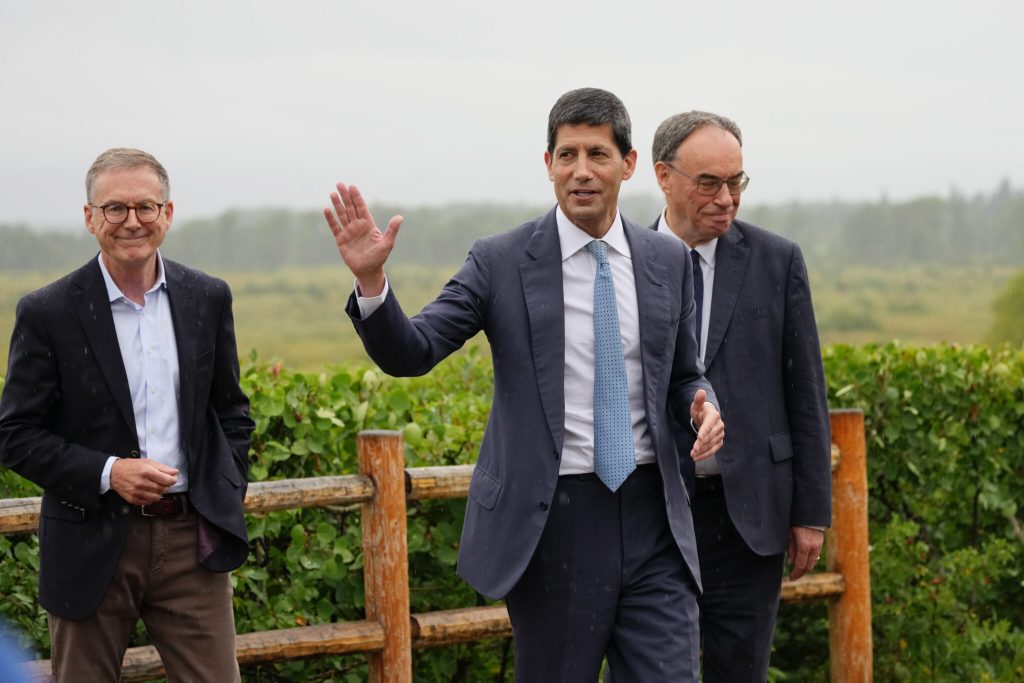
As the Federal Reserve approaches its pivotal September policy meeting, Chair Kevin Warsh’s recent statements on inflation have created a ripple of expectations in financial markets. His firm stance on the necessity of tackling persistent price pressures signals a potential shift in the central bank’s approach, raising questions about future interest rate adjustments. In this blog post, we will explore Warsh’s comments, the implications for monetary policy, and what this means for traders and investors alike.
Warsh’s remarks came during a significant conference in Jackson Hole, Wyoming, where he emphasized the need for more decisive action if inflation fails to align with the Fed’s target of 2%. His assertion that inflation pressures remain “well above” this benchmark has led analysts to predict that an interest rate hike this year is increasingly likely. However, it is essential to note that while Warsh’s statements indicate a clear willingness to act, he did not definitively outline a timeline for such actions, leaving room for interpretation among market observers.
The backdrop of this discussion is a troubling inflation landscape, where rising energy costs and surging demand—exacerbated by the rapid growth of artificial intelligence—continue to exert upward pressure on prices. Warsh’s insistence on needing to see “clear and sufficient” progress towards the Fed’s inflation goal underscores the gravity of the situation. He stated, “Otherwise, we have work to do,” which many interpreted as a strong signal that the Fed is prepared to tighten monetary policy sooner rather than later.
In the wake of Warsh’s speech, traders reacted swiftly, adjusting their expectations for an interest rate hike in September. The probability of such a move leaped from approximately 35% to over 50%, according to federal funds futures. This shift reflects a growing consensus among traders that the Fed may prioritize inflation control over maintaining low borrowing costs, especially in the face of continuing price surges.
However, as analysts dissected Warsh’s comments, opinions varied regarding the intensity of the hawkish sentiment. James Clouse, an economist at the Andersen Institute, remarked that while the markets interpreted Warsh’s message as leaning towards a more aggressive stance, the specifics regarding timing were still ambiguous. The nuance in Warsh’s words leaves room for speculation, particularly as the Fed grapples with balancing inflation concerns against economic growth.
Further complicating this landscape are the political implications surrounding the Fed’s decisions. With midterm elections approaching in November, any interest rate hikes could draw criticism from political figures, including former President Donald Trump, who has historically advocated for lower borrowing costs. The potential for political pushback adds another layer of complexity for the Fed as it navigates its monetary policy decisions.
Key takeaways from this evolving scenario include the following:
1. **Increased Likelihood of Rate Hikes**: Warsh’s comments have heightened expectations for a September interest rate increase, with analysts suggesting a follow-up hike in December.
2. **Market Reactions**: Traders are adjusting their positions based on the perceived shift in the Fed’s stance, leading to increased volatility in federal funds futures.
3. **Political Landscape**: The proximity of midterm elections may influence the Fed’s decisions, as political considerations can weigh against the need for decisive monetary policy actions.
For traders and investors, this moment presents both challenges and opportunities. Those with exposure to interest-sensitive assets, such as bonds and equities in sectors reliant on low borrowing costs, may need to reevaluate their positions in light of potential rate hikes. Conversely, investors seeking to capitalize on rising rates might consider positioning themselves in financial sectors that typically benefit from higher interest rates.
In conclusion, as the Federal Reserve prepares for its September meeting, the implications of Kevin Warsh’s remarks cannot be overstated. With inflation remaining a central concern, the Fed’s decision-making will be crucial in shaping the economic landscape in the months to come. Investors and traders alike must stay vigilant, monitoring developments closely and adjusting their strategies to navigate this dynamic environment effectively. The next few weeks could very well determine the course of monetary policy and its broader impact on financial markets.