
The oil markets have always been susceptible to geopolitical tensions, and recent events in the Middle East are proving to be no exception. With the United States and Iran intensifying their military exchanges, oil prices are responding with notable volatility. As the situation escalates, traders and investors are left to navigate the complexities of a market influenced by both military actions and economic sanctions, all while trying to anticipate future price movements.
In recent weeks, oil prices have seen a significant uptick, primarily due to rising tensions in the Strait of Hormuz, a critical shipping route for global oil. Brent crude, a key benchmark for international oil prices, surged towards $91 per barrel, while West Texas Intermediate (WTI) approached $86. This price movement comes amid reports of military engagements between the U.S. and Iranian forces, with both sides launching strikes against each other’s positions. The U.S. Central Command targeted rocket launchers believed to be preparing to deploy mines in the Strait, while Iran’s Islamic Revolutionary Guard Corps (IRGC) claimed responsibility for attacks on U.S. air bases in Jordan.
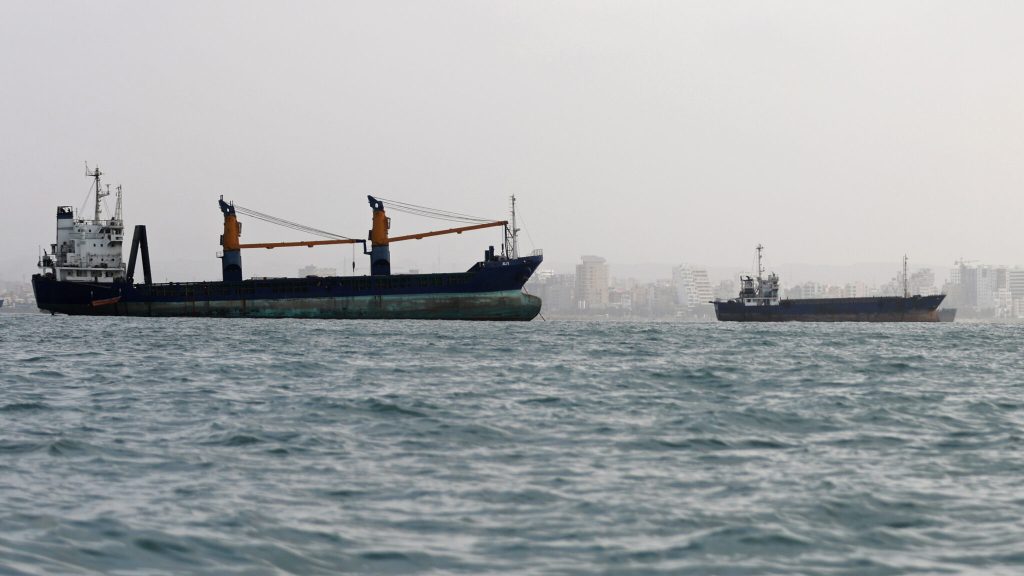
Compounding the tensions, reports emerged of a tanker allegedly struck by mines while navigating through the Strait, although these claims remain unverified by independent sources. Such incidents underscore the precarious nature of maritime operations in this vital region, which connects the Persian Gulf to international markets and is responsible for a significant portion of the world’s oil supply.
The ongoing conflict has led to considerable fluctuations in oil prices, with Brent crude experiencing a range of nearly $17 per barrel throughout the month. Market participants have been closely monitoring the developments, especially given the U.S. government’s commitment to applying increased pressure on Iran through economic sanctions. Treasury Secretary Bessent has indicated that new sanctions targeting Iranian financial institutions could be unveiled weekly, further complicating the situation and raising concerns over supply disruptions.
One critical point to note is that despite the heightened military tensions, oil continues to flow through the Strait of Hormuz, with estimates suggesting that between 6 million to 8 million barrels per day are still being transported. This ongoing flow indicates that, at present, the market has not fully adjusted to the risks posed by the conflict. Moreover, Iran has reportedly authorized limited traffic along certain approved routes, suggesting that some degree of operational normalcy persists despite the backdrop of hostilities.
As traders and investors assess the current landscape, several key takeaways emerge. First, the situation in the Middle East remains fluid, and while military actions may drive short-term price spikes or dips, the underlying fundamentals of supply and demand will ultimately dictate market trends. Second, the efficacy of U.S. sanctions on Iran and their impact on global oil supply remains a crucial factor. If sanctions succeed in constraining Iran’s oil exports, we could see upward pressure on prices, particularly if geopolitical tensions continue to escalate.
For those invested in oil markets, it is essential to maintain a keen awareness of geopolitical developments, as these can have immediate and profound effects on prices. Additionally, understanding the broader context, including U.S. energy policies and the dynamics of OPEC, will provide valuable insights into potential future price movements.
In conclusion, the ongoing tensions in the Strait of Hormuz serve as a stark reminder of the intricate relationship between geopolitics and commodity markets. With oil prices responding to military actions and diplomatic efforts alike, traders and investors must remain vigilant and adaptable. As the situation evolves, staying informed will be crucial for making sound investment decisions in an increasingly volatile environment. The coming weeks will likely reveal whether diplomatic resolutions can be reached or if further conflict will drive prices ever higher, leaving market participants to navigate these turbulent waters with caution.