
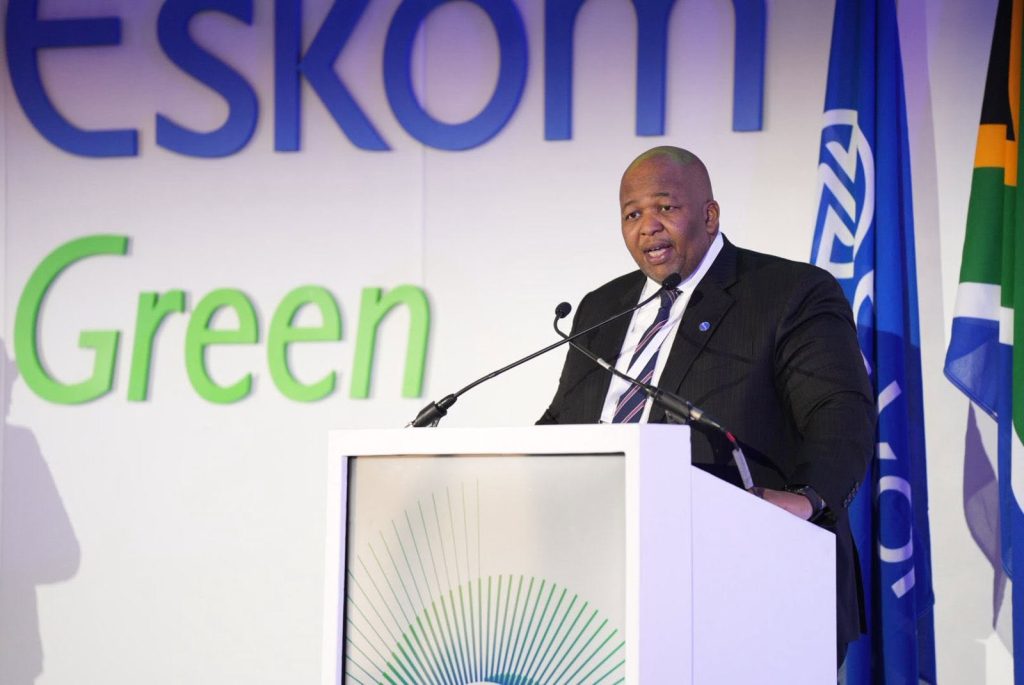
In the wake of South Africa’s ongoing energy crises, Eskom Holdings Limited stands at a pivotal point in its financial journey. The state-owned electricity supplier has recently unveiled its financial results for the fiscal year, showcasing a remarkable profit of R30.3 billion—double that of the previous year. This impressive turnaround invites an in-depth analysis, shedding light on the factors contributing to Eskom’s resurgence, the challenges that lie ahead, and what this means for investors and traders alike.
Eskom, as the backbone of South Africa’s energy supply, has faced considerable challenges over the years, primarily due to ongoing load shedding and operational inefficiencies. However, the company’s latest financial performance indicates a shift in its operational landscape. Under the leadership of Group CEO Dan Marokane, Eskom has implemented a generation recovery plan aimed at stabilizing and improving its operational efficiency. This recovery plan, initiated in 2023, has proven to be a game changer, as evidenced by the leap in profits from R14.1 billion in the previous year to R30.3 billion this year. This remarkable growth is not merely a number; it reflects the disciplined execution of strategies aimed at enhancing both revenue and cost savings.
The essence of this financial success lies in Eskom’s focus on operational efficiency. Marokane emphasized the importance of a well-performing fleet, which allows the company to reduce costs significantly. The EBITDA margin of 30.63% is a clear indicator of Eskom’s improved financial health, showcasing the effectiveness of its management strategies over the recent fiscal year. However, while celebrating these achievements, it is crucial to examine the underlying challenges that persist.
One of the pressing concerns is the energy availability factor (EAF), which remains below the targeted 70%, stabilizing at 65% for the previous fiscal year. This shortfall indicates that while Eskom has made strides in profitability, there are still significant hurdles to overcome. The decrease in electricity sales volumes also poses a risk, particularly as the market landscape shifts with the introduction of a new pricing policy and the liberalization of the electricity sector. These changes could complicate the operational framework further, potentially impacting Eskom’s revenue streams and overall financial stability.
As Eskom moves into the new fiscal year with an evolving pricing policy, it is essential to consider the broader implications of these changes. The shift towards a liberalized market could create opportunities for independent power producers, which may lead to increased competition. While this could drive efficiency and innovation in the energy sector, it also necessitates that Eskom adapt quickly to maintain its market position. The company must be strategic in navigating these waters, ensuring it does not lose its footing amid increasing competition.
For investors and traders monitoring Eskom’s performance, several key takeaways emerge from this financial report. Firstly, the doubling of profits signifies a positive trend and suggests that the management strategies implemented are effective. However, the complexities surrounding energy availability and the upcoming market changes warrant caution. Investors should closely monitor Eskom’s operational metrics, particularly the EAF and sales volumes, as these will be critical in assessing future financial performance.
Moreover, the implications of the new pricing policy require a thorough analysis. While it may present challenges, it could also offer potential for growth if managed correctly. Investors should consider the long-term viability of Eskom’s strategies in light of these evolving market dynamics. It may also be worthwhile to look into how the company plans to sustain its recovery and further enhance its operational efficiencies.
In conclusion, Eskom’s latest financial results highlight a significant turnaround for the company, marking two consecutive years of profitability. However, this success comes with a caveat; the company must navigate ongoing operational challenges and a changing market landscape. Investors and traders should remain vigilant, focusing on the company’s ability to adapt and thrive in an increasingly competitive environment. As the energy sector continues to evolve, Eskom’s journey will be one to watch closely, reflecting broader trends in the South African economy and its energy future.