
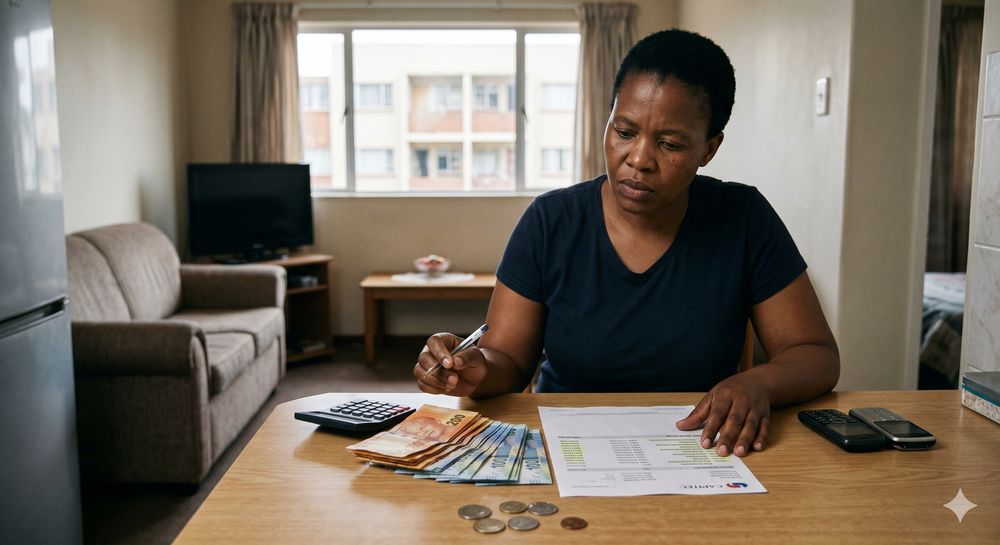
Every July marks Savings Month in South Africa, prompting individuals to reflect on their financial habits and encourage a culture of saving. While the focus typically leans towards building new savings, this year presents an opportunity to shift our attention towards a critical aspect of personal finance that often goes overlooked: the importance of safeguarding the savings that you have already amassed, particularly within your retirement funds.
In a financial landscape where unexpected expenses can arise at any moment, it’s essential to understand the implications of premature withdrawals from your retirement savings. This blog post will delve into the nuances of the two-pot retirement system introduced in South Africa and emphasize the necessity of preserving your retirement funds for the future.
Understanding the Two-Pot Retirement System
Since September 2024, South Africa has adopted a two-pot retirement system aimed at providing a more structured approach to retirement savings. Under this system, contributions to retirement funds are divided into two distinct components: a retirement pot, which remains inaccessible until retirement, and a savings pot that allows limited withdrawals once a year, with a minimum amount of R2,000.
This structural change was designed to serve as a safety net for genuine financial emergencies, offering some flexibility during uncertain times. However, the accessibility of the savings pot often leads individuals astray, tempting them to view it as an alternative source of funds for everyday expenses rather than a reserve for critical situations.
The Dangers of Treating Savings as Spent Funds
While the ability to withdraw from the savings pot might seem like a convenient financial option, it’s crucial to recognize that this was never intended to be a routine spending account. Instead, think of your savings pot as a fire extinguisher—available for emergencies but not meant for casual use. Everyday life is rife with scenarios that can easily be misconstrued as emergencies: an overdue vacation, an impulsive car upgrade, or unforeseen school fees. While these situations may feel pressing, dipping into your retirement savings to address them can lead to long-term consequences.
Consider the following scenario: if you withdraw R50,000 from your savings pot when you have 15 years until retirement, it may appear manageable in the short term. However, with an average annual return of 10%, that same R50,000 would grow to approximately R209,000 by the time you reach retirement age. By choosing to withdraw now, you are not just taking R50,000; you are sacrificing R209,000 of your future financial security.
The Double-Edged Sword of Early Withdrawals
Another critical aspect to consider is how early withdrawals can impact your retirement strategy. Upon retiring, individuals often anticipate accessing a portion of their retirement savings as a cash lump sum, which can be instrumental in managing post-retirement expenses. Many people plan to use this lump sum to pay off existing debts or cover significant costs that arise during the transition from earning a salary to relying on their retirement funds.
However, when you withdraw from the savings component before retirement, you are effectively diminishing that lump sum. The funds you withdraw today not only reduce your immediate savings but also compromise your long-term financial strategy. This double hit can catch many off guard, leading to weakened financial positions once they leave the workforce.
Key Takeaways for Savvy Investors
1. **Preserve Your Savings**: Treat your retirement savings with the respect they deserve. Resist the temptation to withdraw funds for non-essential expenses.
2. **Understand the Impact of Compounding**: Recognize the long-term benefits of leaving your savings intact. The power of compounding interest can significantly increase your retirement funds over time.
3. **Identify True Emergencies**: Evaluate your financial situation critically. Only access your savings pot for genuine emergencies, and explore other financing options for less pressing needs.
4. **Plan for Retirement**: Build a comprehensive retirement plan that factors in your savings component, ensuring you won’t rely solely on it for your financial stability after you stop working.
In conclusion, as Savings Month rolls around, it’s vital to shift the narrative from merely saving money to preserving what you have already worked hard to accumulate. The temptation to withdraw from your retirement savings pot is strong, especially during financially challenging times. However, understanding the long-term implications of such decisions can safeguard your financial future. By prioritizing your retirement savings and treating them as sacred, you will be better equipped to navigate life’s uncertainties without jeopardizing your financial well-being for years to come.