
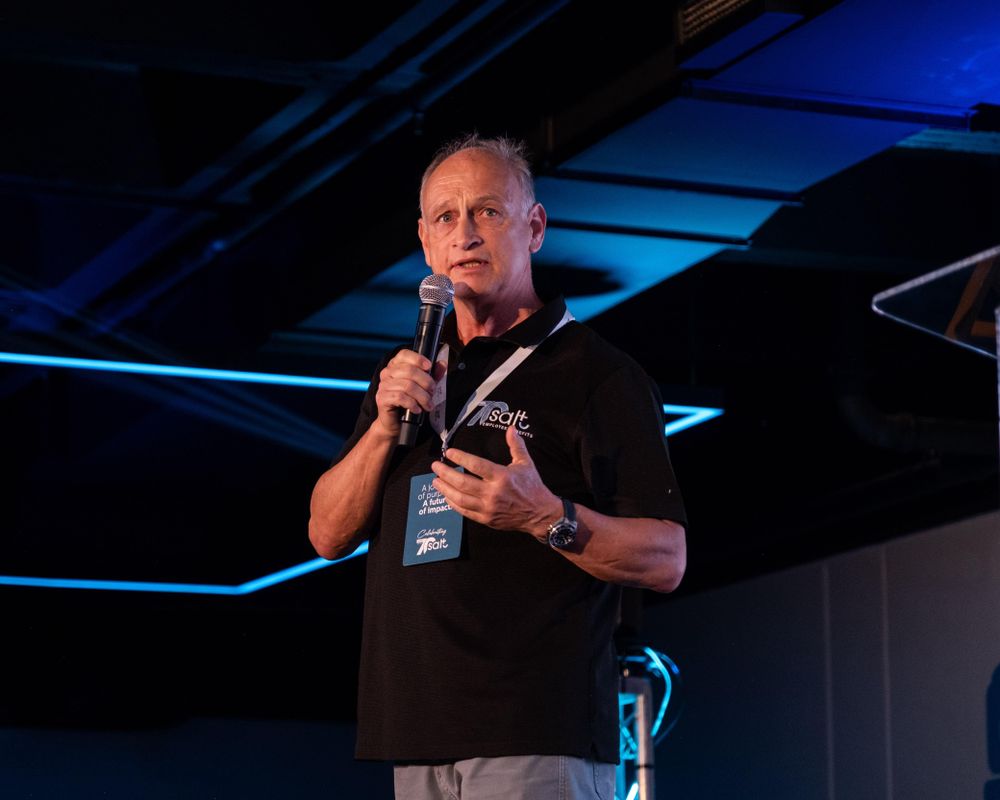
In a world where financial security is paramount, the discussion surrounding employee benefits in South Africa has taken center stage. Recent remarks by Eddie Strydom, chairman of Salt Employee Benefits, during the company’s 70th anniversary celebration, highlighted the pressing need for structural reforms within the industry. Strydom’s insights shed light on the challenges that retirement fund members face, emphasizing that without addressing fundamental issues, the current system will continue to fall short of providing adequate retirement outcomes.
As the employee benefits landscape in South Africa evolves, it has become increasingly clear that compliance and administrative burdens have hindered progress. Strydom pointed out that while the industry has grown, it has been encumbered by red tape that complicates rather than simplifies processes for members. He likened the situation to a tangled web where numerous initiatives may be undertaken, but if the root causes of the problems are not identified and addressed, those efforts will ultimately be futile.
The conversation surrounding employee benefits is not merely about enhancing regulations; it is about revamping the entire framework of how services are delivered. Strydom’s vision for Salt Employee Benefits revolves around advocating for those who have historically been neglected by the financial services sector. His journey in the industry, which began with a desire to serve the underserved, led him to acquire Salt Employee Benefits in 2010. His commitment to improving retirement outcomes for all, particularly marginalized populations, remains steadfast.
Key Points on the Need for Reform
1. **Compliance and Administration Challenges**: The employee benefits sector has become mired in compliance requirements that detract from its core mission—serving the members. This bureaucratic burden complicates the delivery of essential services and obscures the focus on improving retirement outcomes.
2. **Structural Weaknesses**: According to Strydom, significant shortcomings exist within the structure and administration of retirement funds. These flaws undermine the potential for positive change and hamper the ability to meet the needs of members effectively.
3. **Member Representation**: Strydom advocates for stronger representation of members on retirement fund boards through the election of trustees. However, he emphasizes the necessity for proper training and preparedness for these representatives to ensure that they can function effectively in their roles.
4. **Industry Collaboration**: The anniversary event served as a platform for dialogue among industry leaders, trustees, labor representatives, and governance experts. Collaborative discussions are vital to generating innovative solutions that can lead to meaningful reforms.
Insights for Traders and Investors
For those involved in trading or investing within the financial services sector, Strydom’s call for reform presents both challenges and opportunities. Understanding the evolving landscape of employee benefits can open doors for investment in companies that prioritize genuine member outcomes over bureaucratic compliance. As stakeholders push for structural changes, there may be a shift in how financial services firms operate, creating potential for disruption and innovation.
Investors should pay close attention to companies that align with the mission of improving member representation and outcomes. These organizations may be better positioned for long-term growth as they adapt to the demands of a changing regulatory environment and consumer expectations.
Conclusion
The clarion call for reform in South Africa’s employee benefits industry comes at a crucial time. As more individuals seek financial security for their retirement, the need for a system that prioritizes member interests has never been more urgent. Eddie Strydom’s insights illuminate the path forward, urging the industry to strip away unnecessary complexities and focus on the core mission of serving its members.
By fostering strong representation, investing in education and training for trustees, and rethinking the structural framework of employee benefits, South Africa can create a more equitable system that truly meets the needs of its workforce. As we move forward, it is imperative for everyone involved—regulators, industry leaders, and members alike—to engage in meaningful conversations that lead to actionable reforms. The future of employee benefits hinges on our collective ability to rethink, rebuild, and renew our commitment to financial security for all.