
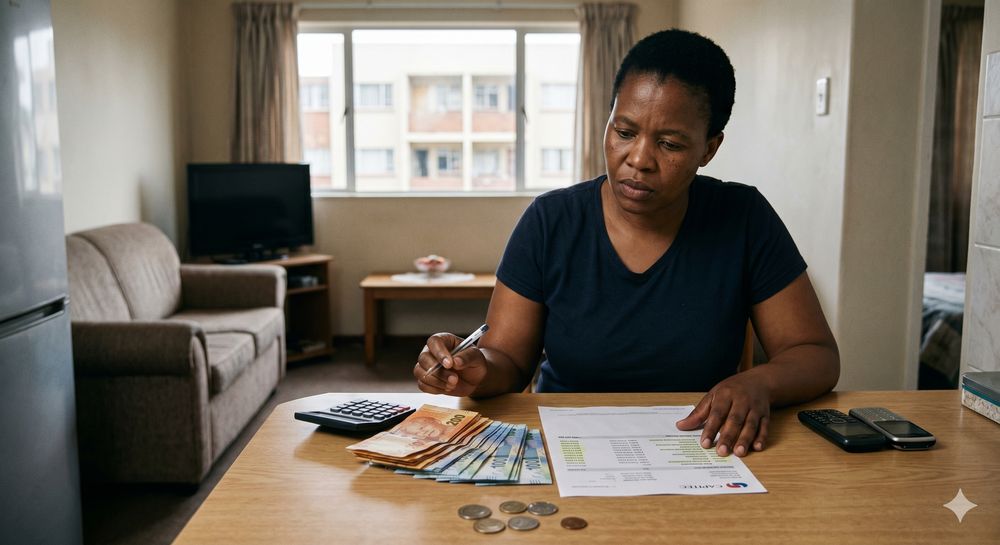
As July rolls around, it brings with it National Savings Month, a time dedicated to encouraging individuals to reflect on their financial habits, particularly in the context of the mounting economic pressures faced by many South Africans. In recent years, the ability to set aside savings has increasingly become a struggle for households, often overshadowed by the pressing need to meet day-to-day expenses. This blog post seeks to explore the current financial landscape in South Africa, the challenges of saving in such an environment, and practical strategies for fostering a culture of financial resilience.
The ongoing economic crisis has left many South Africans grappling with the stark reality of their financial situations. With inflation rates soaring and the cost of living escalating, the idea of saving can feel like an unattainable luxury. This sentiment is echoed in TransUnion’s recent Consumer Pulse Report, which indicates that a staggering 79% of respondents view inflation as their primary financial concern. As economic pressures mount, households often find themselves prioritizing essential expenses such as food, fuel, and utilities over setting aside funds for future needs. The reality for many is that even when salaries see an increase, these adjustments are frequently swallowed up by the rapidly rising costs of everyday life.
The challenge of saving is further compounded by the fact that many households are spending beyond their means. Data from the South African Reserve Bank reveals a troubling trend where expenditures often exceed income, a situation made worse by an overreliance on credit and dwindling savings. Without adequate financial buffers, even minor unexpected expenses can lead to significant debt, trapping individuals in a cycle of financial instability.
Despite these daunting circumstances, National Savings Month serves as a pivotal opportunity for individuals to reassess their financial security and make meaningful changes. The focus should not solely be on retirement plans or large investments; instead, the first step towards financial health should be establishing a solid foundation through an emergency fund. This fund acts as a safety net, providing essential financial support in times of crisis, and can prevent individuals from falling into debt when faced with unforeseen circumstances.
One of the most common misconceptions surrounding saving is the belief that one must wait until they have a substantial amount of money before they can start. In reality, the key to successful saving lies in consistency rather than the size of the contribution. Even modest monthly deposits can accumulate over time, fostering good financial habits that will serve individuals well into the future. It’s also crucial to recognize the power of time in saving. The sooner one begins to save, the more significant the potential growth of those funds can be, thanks to the benefits of compound interest.
To cultivate a sustainable savings strategy, individuals should consider the following key takeaways:
1. **Prioritize Financial Resilience**: Focus on building an emergency fund first before contemplating long-term investments. This fund should ideally cover three to six months’ worth of expenses to provide a strong financial cushion.
2. **Start Small and Stay Consistent**: Begin saving with whatever amount is feasible—no contribution is too small. The habit of saving regularly is what ultimately leads to financial stability.
3. **Reevaluate Your Budget**: Take a close look at monthly expenses and identify areas where costs can be cut. This could free up additional funds for savings.
4. **Educate Yourself About Financial Management**: Knowledge is power. Understanding budgeting, saving, and investing can empower individuals to make informed decisions about their finances.
5. **Set Clear Goals**: Establishing specific saving goals can provide motivation and direction. Whether it’s a vacation, a new car, or a down payment on a home, having a clear target can make saving feel more purposeful.
For traders and investors, these insights underscore the importance of not only focusing on market opportunities but also on personal financial stability. A well-rounded approach to finance involves understanding both the macroeconomic factors influencing markets and the microeconomic realities of individual households. A resilient financial foundation can lead to more confident investment decisions, allowing individuals to take calculated risks rather than reacting impulsively to market fluctuations.
In conclusion, while the financial landscape in South Africa presents significant challenges, National Savings Month serves as a timely reminder of the importance of building financial resilience. By prioritizing savings, even in small amounts, and establishing a robust emergency fund, individuals can create a more secure financial future. The journey to financial stability begins with a single step—so why not take it today?