
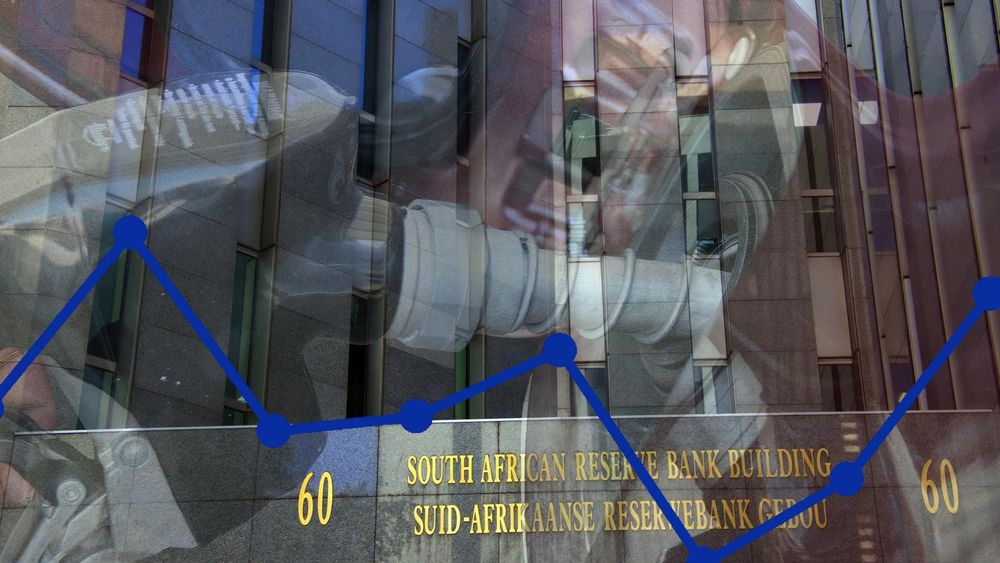
As the South African Reserve Bank (SARB) prepares for its upcoming monetary policy meeting, the financial landscape is clouded by rising oil prices and geopolitical tensions. These factors are creating a conundrum for policymakers, who must weigh the implications of inflation against an otherwise improving economic backdrop. The decision, slated for next week, has garnered attention as it marks a critical moment for the SARB in determining the trajectory of interest rates in the country.
The recent surge in oil prices, amplified by renewed conflict in the Middle East, has reignited concerns over inflation in South Africa. Economists are anticipating a slight uptick in consumer inflation, with estimates suggesting it could rise from 4.5% in May to between 4.6% and 4.7% in June. However, this anticipated increase in inflation is not expected to dramatically influence the SARB’s decision to maintain the current interest rates. In fact, many experts believe the decision will be one of the tightest calls the bank has faced in months.
At the core of this discussion is the role of oil prices in the broader inflation narrative. Johann Els, PSG’s chief economist, pointed out that while the SARB typically incorporates inflation data into its forecasts, higher oil prices alone do not necessarily translate into sustained inflationary pressure across the economy. The SARB’s recent rate hike of 25 basis points in May is believed to have already mitigated the need for further tightening in the immediate future.
While the SARB’s commitment to anchoring inflation closer to its ideal target of 3% may suggest a more hawkish stance, the evidence does not fully support the case for an immediate rate increase. Wage settlements have remained stable, and the South African rand has shown relative resilience against foreign currencies. These factors mitigate the potential for oil price increases to affect the broader economy significantly.
Further complicating matters is the geopolitical landscape, particularly the situation in the Middle East. The flare-up in conflict has pushed oil prices back to approximately $85 a barrel, making the SARB’s decision more nuanced than it might have been a week prior. Annabel Bishop, Investec’s chief economist, acknowledges that the July decision is now less straightforward, as the bank must balance the risk of renewed inflation against the current economic stability.
The SARB has maintained a hawkish posture, with Governor Lesetja Kganyago indicating a readiness to implement further policy adjustments if inflationary pressures prove persistent. Analysts at the Bureau for Economic Research propose a “hawkish hold,” suggesting the SARB may choose to remain cautious in the face of rising inflation expectations and geopolitical risks. Ultimately, the expectation is for inflation to gradually ease throughout the remainder of the year, despite the immediate pressures stemming from higher fuel prices.
For traders and investors, the upcoming SARB meeting will be pivotal. With the potential for volatility in both local and international markets, stakeholders must remain vigilant. A surprise in the inflation data could sway the committee’s decision more significantly than in typical circumstances, making it essential for market participants to stay informed about economic indicators and geopolitical developments.
In conclusion, the SARB faces a challenging decision as it navigates the complexities of rising oil prices and inflation expectations. While many economists predict that interest rates will remain unchanged, the finely balanced nature of the current economic climate means that the upcoming meeting could be a turning point. Investors and traders should prepare for potential market fluctuations as the SARB weighs its options, keeping a close eye on both local economic indicators and global geopolitical events. As we approach the decision day, the financial community is left to ponder how these dynamics will shape South Africa’s economic future.