
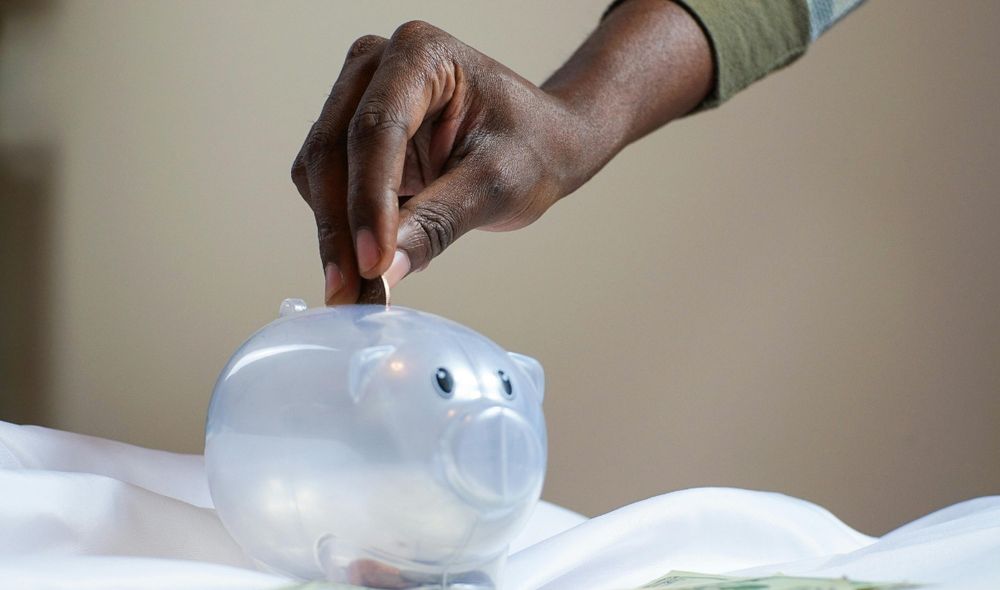
As South Africans continue to grapple with the increasing cost of living, the annual Savings Month serves as a crucial reminder of the importance of putting money aside for future needs. However, this year’s initiative raises an essential question: how can individuals save effectively when they are struggling to meet their everyday financial obligations? With the latest household savings data revealing a troubling trend, it is clear that many South Africans are facing significant challenges in achieving financial stability.
The household saving ratio in South Africa has reached a concerning level, with data from the South African Reserve Bank indicating a fall to -1.4% in the fourth quarter of 2025. This disheartening statistic suggests that, on average, households are spending more than they earn, leaving little to no room for savings. In essence, this means that many families are living paycheck to paycheck, lacking the financial cushion necessary to handle unexpected expenses without resorting to debt.
This situation highlights a significant shift in perspective regarding savings and financial well-being. Savings Month is not merely about amassing wealth or growing investment portfolios; for a vast number of South Africans, the primary goal should be to cultivate resilience against life’s financial surprises. Financial security is not solely defined by long-term investments; rather, it is about having the ability to manage unforeseen costs that life may present.
Over the past few years, South Africans have faced a relentless rise in living costs. While inflation rates may have stabilized, the cumulative effect of increasing expenses—such as electricity bills, municipal tariffs, insurance premiums, school fees, and transportation costs—continues to squeeze household budgets. This scenario creates a stark contrast between traditional financial guidance, which often emphasizes long-term planning, and the pressing realities that many families face today. Advising individuals to focus on retirement savings over immediate financial stability is impractical when they struggle to cover their monthly expenses.
Long-term investing remains an essential aspect of financial planning, but it becomes increasingly challenging when unforeseen costs necessitate tapping into investments or incurring high-interest debt. Consequently, South Africans should reevaluate their approach to saving. An emergency savings fund should not be viewed solely through the lens of earning high returns; its primary function is to offer a financial buffer that protects against life’s unexpected challenges. Whether it’s a car breakdown, a burst geyser, or a sudden job loss, having a financial safety net provides individuals with options and peace of mind. Without such a buffer, a single setback can undo years of sound financial decisions.
Despite the daunting challenges, there are positive developments aimed at enhancing financial security for South Africans. The recent Budget introduced several initiatives designed to encourage saving, including an increase in the annual contribution limit for Tax-Free Savings Accounts (TFSAs) from R36,000 to R46,000. While this increase is a step in the right direction, it is crucial to recognize that tax incentives alone will not solve the overarching savings dilemma facing the nation.
While TFSAs offer valuable tax benefits, they are not necessarily suited for short-term or emergency savings. To cultivate a culture of savings, it is imperative to make the process as simple, affordable, and automated as possible. The root of the problem does not lie in a lack of intention to save; rather, it stems from systemic barriers that hinder consistent saving behavior. Implementing automated savings mechanisms, promoting financial literacy, and providing accessible savings options can empower individuals to take control of their financial futures.
Key takeaways from this discussion include the necessity of redefining what it means to save, prioritizing emergency savings to navigate unexpected challenges, and recognizing the importance of making saving effortless and intuitive. As South Africans confront the realities of rising living costs, cultivating financial resilience must become a primary focus.
For traders and investors, the current landscape serves as a reminder to remain adaptable and mindful of the broader economic environment. Understanding the financial pressures faced by consumers can inform investment strategies and lead to more sustainable growth. By supporting initiatives that promote financial literacy and encourage saving, investors can contribute to a more robust economic foundation for the future.
In conclusion, navigating the complexities of financial resilience in South Africa requires a shift in mindset. Rather than solely focusing on long-term wealth accumulation, individuals must prioritize building a financial buffer to withstand life’s inevitable uncertainties. By fostering a culture of saving and providing accessible solutions, South Africans can work towards achieving not only financial security but also peace of mind for a more stable future.