
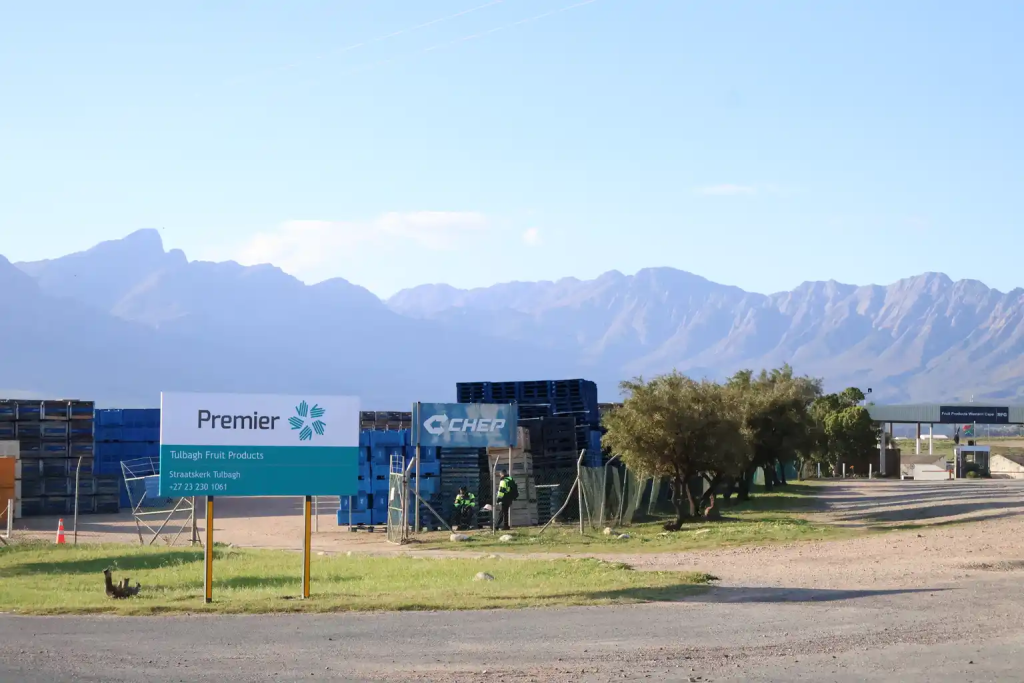
The ongoing saga surrounding the proposed closure of Premier Group’s fruit canning facility in Tulbagh has taken a troubling turn, as discussions at the Commission for Conciliation, Mediation and Arbitration (CCMA) have reached an impasse. This situation not only affects the workers involved but also raises broader questions about labor relations, corporate responsibility, and the future of the agricultural sector in South Africa. With the deadline for consultations looming, it is imperative to understand the implications of this dispute and what it means for the stakeholders involved.
At the heart of the negotiations is the fate of the Tulbagh factory, which has been a vital component of the local economy, employing 424 workers, including 246 permanent staff and 178 fixed-term employees. The factory’s closure would not only devastate these workers and their families but could also disrupt the livelihoods of local farmers and suppliers who rely on the facility for their income. The situation has escalated into a significant labor dispute, with the Agricultural, Food and Allied Democratic Workers’ Union (AFADWU) and its affiliates actively contesting the proposed closure.
The breakdown of the talks on August 26 can be attributed to Premier Group’s objection to the participation of certain worker representatives. Nyaniso Gqalaqha, the provincial secretary of AFADWU in the Western Cape, reported that Premier rejected the presence of Malvern de Bruyn, the secretary of the Congress of South African Trade Unions (Cosatu) in the region, as well as a shop steward who is a seasonal worker. This raises critical questions about the representation of workers in negotiations and the criteria for their inclusion. The situation was referred to a CCMA commissioner, who has halted negotiations pending a ruling, with talks set to resume on September 8.
From Premier Group’s perspective, the company has reiterated its commitment to a respectful and transparent consultation process. They have stressed their intention to engage with all parties in good faith while exploring “practical solutions and opportunities for the future” of those affected. However, the lack of concrete discussions regarding alternatives to the factory’s closure has left many skeptical. Gqalaqha has expressed concerns that any potential buyer may not be able to step in before the upcoming apricot season, which begins in November, further complicating the situation.
The unions have taken a firm stance, calling for a moratorium on the closure process for at least a year. This pause would allow time for alternative solutions to be explored, reflecting a broader desire for job security and economic stability within the community. Additionally, there are questions surrounding the legality of the closure, particularly in light of the conditions set forth by the Competition Tribunal when approving the merger between Premier and the Rhodes Food Group, which previously owned the Tulbagh facility. The Tribunal mandated that no employees should face retrenchment as a result of the merger during a specified moratorium period, placing the onus on Premier to demonstrate that any layoffs are not linked to the merger.
Key takeaways from this situation include the importance of inclusive representation in labor negotiations and the potential ramifications for corporate practices in South Africa. The breakdown of talks highlights the need for companies to engage sincerely with unions and employees, not only to fulfill legal obligations but also to foster trust and collaboration within the workforce. The ramifications of this dispute extend beyond the immediate workers; they can impact the local economy, agricultural supply chains, and the reputation of Premier Group itself.
For traders and investors, this scenario presents a complex landscape. The uncertainty surrounding the factory’s future could affect Premier Foods’ stock price and overall market perception. Investors should closely monitor the developments in these negotiations and the responses from both the company and the unions. A prolonged dispute could lead to reputational damage and potential financial losses for Premier, making it essential to assess the risks involved.
In conclusion, the breakdown of negotiations regarding the closure of Premier Group’s Tulbagh factory serves as a critical reminder of the intricate dynamics at play in labor relations and corporate governance. As the deadline for consultations approaches, stakeholders must navigate a path that prioritizes dialogue, transparency, and the well-being of workers. Ultimately, the outcome of this dispute will not only shape the future of those directly involved but also set important precedents for labor relations and corporate responsibility in South Africa’s agricultural sector. The eyes of the community, the industry, and investors are now firmly focused on the unfolding events, awaiting a resolution that balances economic viability with social responsibility.