
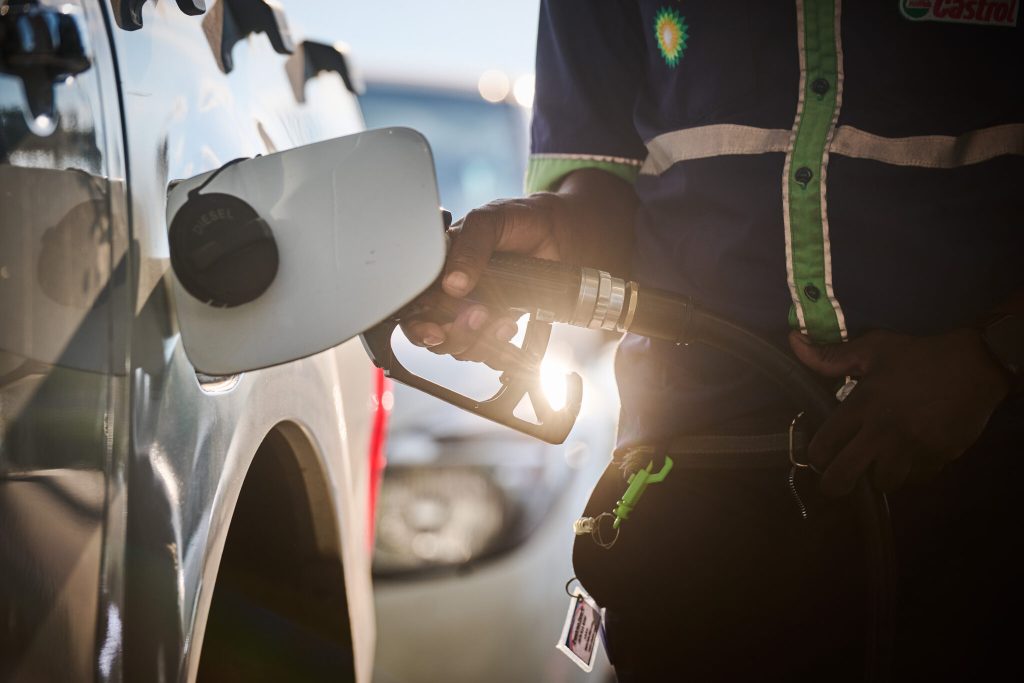
In the early hours of the morning, a significant shift in the fuel market sent shockwaves through the South African economy. Diesel prices surged by an average of 11.35%, a steep hike that has been attributed to the rising costs of Brent crude oil, which recently surpassed the $90 per barrel mark. This escalation follows a resurgence of tensions between the United States and Iran, a geopolitical landscape that has historically influenced oil prices. As the price of diesel climbs back above R30 per litre, many are left wondering about the broader implications of these changes on consumers, businesses, and the economy at large.
To fully grasp the impact of the recent diesel price hike, it’s essential to understand the factors that contribute to fuel pricing and how these fluctuations resonate throughout various sectors. Diesel has become a critical commodity in South Africa, especially for transport and logistics industries, where it plays a pivotal role in operational costs. The recent increase in diesel prices is not an isolated incident; rather, it highlights the ongoing volatility of global oil markets and their susceptibility to geopolitical events.
Historically, the price of diesel has shown significant fluctuation. For instance, in May 2026, diesel prices soared to an unprecedented R31.38 amid severe disruptions in oil supply through the strategically important Strait of Hormuz. Following that peak, prices dropped nearly 20% by July, driven by improved tanker traffic and a stronger rand. However, current trends suggest that such relief may be fleeting. South African consumers are now paying nearly three times more for diesel than they did a decade ago, a stark reminder of the persistent inflationary pressures affecting the economy.
This recent spike in diesel prices is accompanied by a more moderate increase in petrol prices, which rose by 5.27% at the same time. Consumers now face petrol prices that are over 120% higher than they were ten years ago, contrasting sharply with the 57% increase in consumer inflation during that period. This discrepancy highlights the disproportionate burden placed on consumers as fuel prices continue to climb.
Gavin Kelly, CEO of the Road Freight Association (RFA), articulated the concerns surrounding this increase, emphasizing the industry’s vulnerability to global oil market volatility. As fuel prices rise, businesses in transportation and logistics must brace for escalating operational costs, which can have cascading effects on the entire supply chain. This is particularly concerning for freight companies that rely heavily on diesel, as fuel costs represent between 35% to 55% of their total operating expenses.
The implications of rising fuel prices extend beyond the immediate costs faced by businesses. Fuel has a weighting of 3.8% in the consumer inflation basket, meaning that the recent increases could add approximately 0.2 to 0.3 percentage points to headline inflation figures. This potential rise in inflation is especially troubling for the South African Reserve Bank (SARB), which aims to maintain inflation within a target range of 3%. The latest fuel price increase comes at a time when inflation had shown signs of deceleration, falling from 5% in June to 4.3% in July due to previous declines in fuel prices.
Furthermore, economists warn that these fuel price hikes could trigger “second-round effects” in the economy. As transport and retail prices rise, businesses may respond by increasing wages and adjusting their pricing strategies, further fueling inflationary pressures. Macro strategist Shiven Moodley points out that while consumer inflation remains relatively contained, the current dynamics threaten to reverse this trend, putting additional strain on supply chains.
For traders and investors, the rising fuel prices present both challenges and opportunities. Investors in the energy sector may benefit from higher oil prices, particularly those with exposure to companies engaged in oil extraction and refining. Conversely, businesses that rely heavily on transportation might see their profit margins squeezed, prompting a reevaluation of operational strategies to mitigate rising costs.
In conclusion, the recent surge in diesel prices serves as a stark reminder of the interconnectedness of global oil markets and the local economy. As South Africans grapple with these increases, it becomes clear that the implications extend beyond the fuel pump. From rising transportation costs to potential inflationary pressures, the recent volatility in diesel pricing poses significant challenges for both consumers and businesses alike. Navigating these complexities will require strategic foresight and adaptability from all stakeholders involved.