
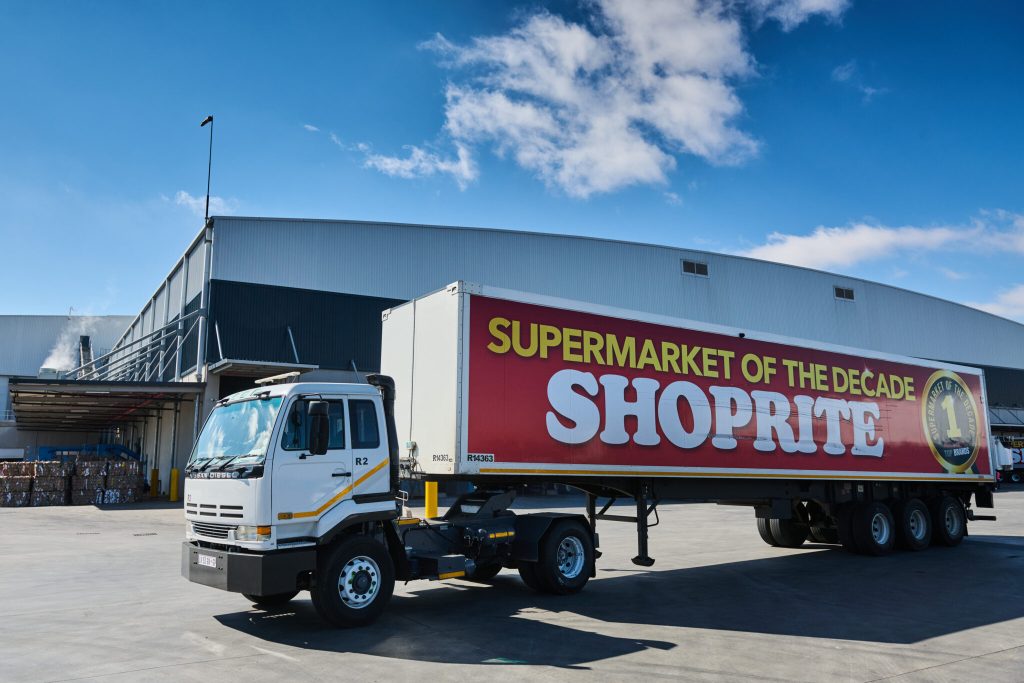
In the ever-evolving landscape of retail, the ability to adapt and thrive amid economic fluctuations is crucial. Shoprite, under the leadership of CEO Pieter Engelbrecht, has demonstrated remarkable resilience, achieving significant growth even in a challenging climate. In this blog post, we will delve into Shoprite’s recent financial results, its approach to managing internal costs, and the strategic initiatives that have contributed to its success.
For the fiscal year ending in June, Shoprite reported a revenue increase of 7.1%, alongside a 12.2% rise in diluted headline earnings per share (Heps) and an 11.8% boost in dividends. These figures are particularly impressive considering the broader retail sector’s struggles. Engelbrecht noted that Shoprite’s approach to pricing—especially in a deflationary environment—has played a pivotal role in maintaining customer loyalty and enhancing sales volume.
One key aspect of Shoprite’s strategy is its internal selling price inflation, which stands at a modest 0.8% in South Africa. In fact, Engelbrecht highlighted that certain brands within the Shoprite family, particularly Shoprite and Usave, are experiencing deflation. This raises the question of how the company manages to keep prices down while still ensuring profitability. Engelbrecht explained that the focus on volume growth is essential. By offering competitive pricing and driving sales, Shoprite can maintain relationships with suppliers and mitigate price pressures that typically arise in challenging economic conditions.
A critical takeaway from Engelbrecht’s insights is the importance of understanding customer dynamics. Shoprite has successfully reduced prices on over 11,500 items from the previous year, a move that not only benefits consumers but simultaneously supports volume growth. When customers feel they are getting good value, they are more likely to increase their purchases, thus creating a win-win situation for both the retailer and the supplier.
Moreover, Engelbrecht pointed out that external cost pressures, such as rising municipal charges for electricity and water—up by 19%—pose significant challenges for retailers operating in Africa. In response, Shoprite has prioritized efficient operational practices and cost management strategies to absorb some of these costs without passing them on to the consumer.
A standout contributor to Shoprite’s success has been its Sixty60 delivery service, which has seen an impressive growth rate of 34.5% year-on-year, accounting for R6.6 billion in revenue. This service now represents approximately 9% of total revenue, showcasing the increasing demand for convenience in shopping. Engelbrecht revealed that the service has attracted a diverse customer base, with 1.1 million additional customers opting for Sixty60 each week, half of whom were previously untapped Checkers customers. This indicates that Sixty60 is not just an add-on for existing customers but a means of reaching new clientele who prefer the convenience of online shopping.
Engelbrecht’s observations about customer behavior also highlight an essential trend: many Sixty60 users maintain their in-store shopping habits, leading to higher overall spending. This dual-channel approach allows Shoprite to cater to a variety of shopping preferences, enhancing customer satisfaction and loyalty.
For traders and investors monitoring Shoprite’s performance, several key points emerge from Engelbrecht’s discussion. First, the company’s ability to sustain low internal price inflation while maintaining volume growth is a strong indicator of effective management and operational efficiency. Second, the successful integration of e-commerce through the Sixty60 service positions Shoprite advantageously in a rapidly digitalizing retail environment. Lastly, the company’s commitment to customer value through strategic pricing and product offerings could translate into sustained growth and shareholder returns.
In conclusion, Shoprite’s performance in a challenging economic landscape exemplifies the importance of adaptability and customer-centric strategies in retail. By addressing inflationary pressures, enhancing customer convenience, and fostering strong supplier relationships, Shoprite has not only survived but thrived. For investors, this resilience and forward-thinking approach present a compelling case for Shoprite as a robust player in the retail sector. As the company continues to innovate and expand its offerings, it will undoubtedly remain a focal point for those looking to understand the dynamics of the retail market in South Africa and beyond.