
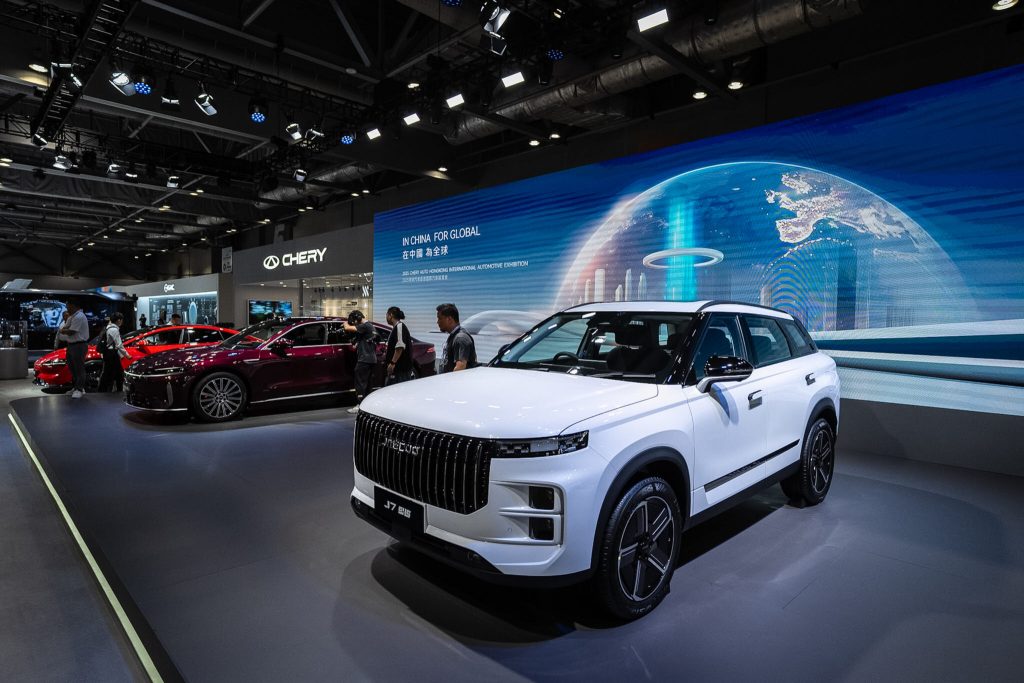
The South African automotive landscape is undergoing a significant transformation as vehicle brands from China and India rise in popularity. This shift can be attributed to their affordability and feature-rich offerings, which are particularly appealing to first-time car buyers. According to Motus Holdings, a key player in the automotive supply and distribution sector, these trends are influencing not just new car sales but also the dynamics of the used vehicle market. In this blog post, we will explore how these trends are reshaping the automotive industry in South Africa, the implications for consumers and investors, and what the future might hold for this vital economic sector.
The automotive industry in South Africa has traditionally been dominated by established brands, but the increasing presence of Chinese and Indian manufacturers is changing the status quo. As consumers become more budget-conscious, the appeal of affordable vehicles packed with features has led to a notable shift in buying patterns. Motus Holdings recently reported results for the year ending June 30, 2026, revealing a flat revenue of R113.6 billion while profit surged by 20% to R4.0 billion. This growth was largely driven by decreased finance costs and a strong performance in the South African market, which accounted for 60% of the group’s revenue and a staggering 68% of its operating profit.
One of the most striking developments has been the remarkable year-on-year sales increase of Chinese brands within Motus’s dealership network, which saw a hike of over 200%. This monumental growth is indicative of a broader trend that has seen Chinese vehicle sales soar in markets like the UK and Australia—up by 300% and 44% respectively. Indian manufacturers are not far behind; Tata has made significant inroads in South Africa, becoming a top 15 brand with an average monthly sales figure of around 600 units.
The uptick in passenger vehicle sales in South Africa, which rose by 16.7% year-on-year, can be credited to a surge in first-time buyers entering the market. Additionally, interest rate cuts implemented in 2025 have further stimulated sales, making financing options more accessible for consumers. However, this boom in new vehicle sales comes with a caveat: it has placed pressure on the used vehicle market, where prices are being driven down as affordable new cars become more readily available.
Motus Holdings has pointed out that the pre-owned vehicle market is experiencing a decline in both volume and profit margins, largely due to the influx of new vehicles at competitive price points. This trend raises important questions for current owners of used vehicles, particularly those driving older models. As affordable new options proliferate, the resale value of pre-owned vehicles may continue to diminish, potentially creating a challenging environment for those looking to sell their cars.
Turning to the vehicle rental sector, Motus observed a contraction, with the company reducing its rental fleet by 8% to 3,817 vehicles. Competitive pressures have also driven down daily rental rates, a trend likely influenced by the rise of e-hailing services like Uber, which offer convenient alternatives that are increasingly popular among consumers. While government and corporate rentals have seen a decline, demand for holiday and long-term rentals has grown, suggesting a shifting focus within the rental market.
Despite these challenges, the aging vehicle population on South African roads is bolstering demand for aftermarket parts. Consumers are increasingly seeking affordable, high-quality replacement parts for their vehicles, presenting opportunities for businesses in this segment.
Motus Holdings has also made strides in strengthening its financial position, reducing core interest-bearing debt by R1.2 billion to R7.0 billion, and decreasing net finance costs by 19%. This improved financial health positions the company favorably to navigate the evolving automotive landscape.
As a crucial contributor to South Africa’s economy—accounting for 5.2% of GDP, including 1.9% from vehicle retail activities—the automotive sector plays a vital role in supporting mobility and participation in trade. The rise of Chinese and Indian brands emphasizes the necessity for adaptation in this industry, as consumer preferences shift towards affordability and value.
In conclusion, the ascent of Chinese and Indian vehicle manufacturers in South Africa is reshaping the automotive market in profound ways. With their focus on affordability and features, these brands are attracting a new generation of buyers while challenging the traditional dynamics of the used vehicle market. For investors and traders in the automotive sector, understanding these trends is essential for making informed decisions in an evolving landscape where flexibility and innovation will be key to success. As the sector continues to adapt, monitoring these shifts will be crucial for recognizing future opportunities and challenges.