
As the global landscape shifts and domestic challenges mount, South Africa is experiencing a significant downturn in business sentiment. The latest findings paint a stark picture of the country’s economic environment, revealing a drop in confidence among businesses that could have far-reaching effects on investment and employment. This blog post delves into the details of the recent decline in business confidence, its implications, and what it means for traders and investors.
According to a report released by FirstRand’s Rand Merchant Bank in collaboration with Stellenbosch University’s Bureau for Economic Research, South Africa’s quarterly business confidence index fell to 38 in the third quarter of 2023. This marks the lowest level recorded since the same period in 2021, highlighting a trend of growing uncertainty among businesses. The reasons for this decline are multifaceted, with ongoing conflicts in the Middle East, particularly the war in Iran, contributing to a turbulent international climate that affects local demand and economic stability.
The business confidence index is a vital gauge for understanding the economic sentiment within the country. A reading below 50 indicates pessimism, and at 38, the current figure suggests that businesses are not only feeling the pinch but are also bracing for more challenges ahead. Isaah Mhlanga, the chief economist at RMB, remarked that while there has been some stabilization in confidence levels, they remain insufficient to foster the investment and job growth necessary for the country’s economic recovery.
A closer examination of the index reveals that four of its five subcategories experienced declines, with the automotive sector seeing the most significant drop. Sentiment among new-vehicle dealers plummeted 11 points to 38, a reflection of oversupply in the market where stock levels have outstripped consumer demand. Although there was a slight uptick in new vehicle sales, it was nearly negated by a downturn in second-hand vehicle transactions, demonstrating the fragility of consumer confidence.
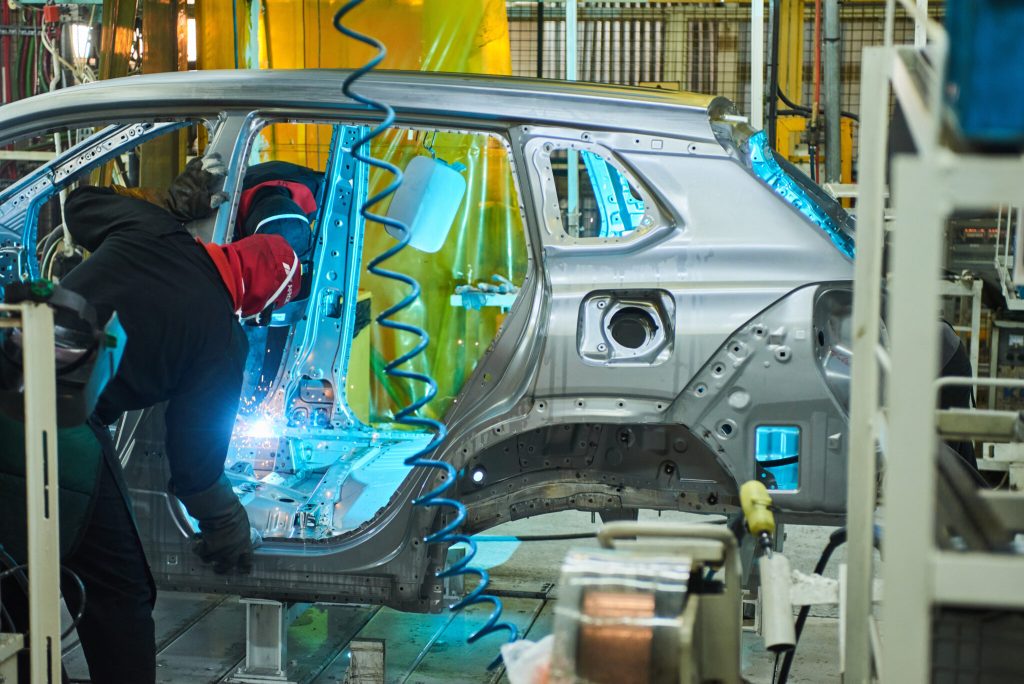
Manufacturers also reported a downturn in sentiment, with their index falling from 31 to 27. This decline can be attributed to weak local demand and diminishing export volumes as global economic growth slows. Furthermore, the reduced capacity utilization among manufacturers indicates that many are operating with excess production capabilities, which is not a sustainable position for economic health.
Interestingly, the survey, conducted in late August, revealed a slight easing of some pressures that had previously weighed heavily on businesses. Input costs, which had surged due to earlier geopolitical tensions, began to stabilize, offering a glimmer of hope. However, Mhlanga cautioned that this stabilization has not yet led to any significant rebound in demand or business activity.
Looking ahead, the local government elections scheduled for November 4 are anticipated to be a critical moment for business sentiment in the final quarter of the year. Uncertainty surrounding municipal governance and the quality of service delivery could further dampen the already fragile business environment, causing delays in critical spending and investment decisions.
Key Takeaways:
1. South Africa’s business confidence index has dropped to a two-year low, indicating widespread pessimism among businesses.
2. The decline is influenced by both international factors, such as geopolitical conflicts, and domestic challenges, including weak local demand.
3. The automotive and manufacturing sectors are particularly affected, with significant drops in sentiment reported.
4. The upcoming local government elections may play a pivotal role in shaping future business confidence and investment levels.
For traders and investors, this decline in business confidence signals potential risks in the South African market. It may lead to cautious investment strategies, as uncertainty can affect stock prices, currency valuation, and overall market dynamics. Investors should keep a close watch on upcoming economic indicators, local elections, and global events that could further impact South Africa’s economic landscape.
In conclusion, the drop in business confidence in South Africa serves as a stark reminder of the interconnectedness of global and local economic factors. As businesses navigate a landscape fraught with uncertainty, stakeholders must remain vigilant, adapting to changing conditions while seeking opportunities for growth amid the challenges. The road ahead may be rocky, but understanding these dynamics can empower informed decision-making in a complex environment.