
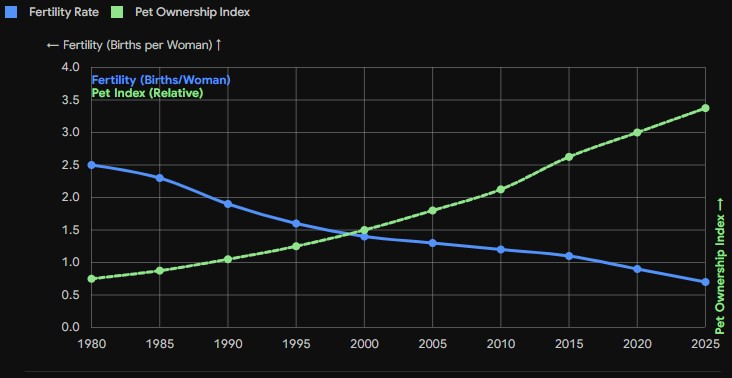
As the world shifts toward a more pet-centric lifestyle, the global pet care industry is witnessing unprecedented growth. With an annual expansion rate estimated between six to seven percent, outpacing global GDP growth of approximately three to five percent, this sector is becoming a lucrative arena for investors. Not only is the rise in pet ownership a reflection of changing societal norms, but it also presents unique investment opportunities. As young people marry later or opt not to have children, pets are increasingly viewed as family members, leading to a surge in spending on their care.
The demographic changes driving pet adoption are significant. Many societies are experiencing aging populations, and younger generations are placing higher value on their pets. This trend is especially pronounced in regions like Asia, where pet ownership is accelerating as individuals seek companionship and fulfillment. As a result, the phenomenon known as “pet humanization” has emerged, where pets are treated with the same care and consideration as children. This shift in perception has profound implications for consumer spending patterns, as expenditures on pets become more inelastic.
Consumers are not merely purchasing basic necessities for their pets; they are investing in premium products ranging from high-quality food to advanced healthcare services. The desire to provide the best for these “fur babies” reflects a broader trend of premiumization within the pet care industry. This approach aligns with the growing focus on health and wellness, as owners increasingly seek products that cater to their pets’ specific dietary and medical needs.
Despite the impressive growth of the pet care sector, its performance in the stock market has not mirrored its potential. For instance, the ProShares Pet Care ETF (PAWZ) has underperformed relative to the S&P 500 Index. This discrepancy can be attributed to several factors. Firstly, the excitement surrounding technology sectors, such as artificial intelligence, has overshadowed the pet care market, leading to a lack of investor enthusiasm. Additionally, some companies within the pet care industry may have entered the market with valuations that were too high, creating a disconnect between their growth prospects and stock performance.
However, the long-term outlook for the pet care sector remains promising. As consumer demand continues to rise and valuations become more attractive, the potential for higher returns in this industry is significant. For investors looking to capitalize on this growth, there are several pathways to consider.
One prominent player in the veterinary pharmaceuticals space is Zoetis Inc., which focuses on both pet and livestock health products. However, investors should be cautious, as the company faces challenges with its expiring patent portfolio, which may impact its growth trajectory. Another option is Idexx Laboratories, which specializes in veterinary diagnostic equipment and software. Both companies offer exposure to essential services that contribute to the overall pet care ecosystem.
For those interested in the consumer side of the pet care market, Chewy Inc. stands out as a major player. Often dubbed the “Amazon of pet food,” Chewy has captured a significant share of the online pet supply market, although Amazon itself has also entered this space.
From a premiumization perspective, investing in established brands like Hill’s Pet Nutrition, owned by Colgate-Palmolive, or products offered by Nestlé, can be particularly promising. Colgate-Palmolive provides a robust entry point into the pet care market, with Hill’s positioned to meet the growing demand for high-quality pet food and health-focused products. Additionally, the company’s oral care segment offers a complementary revenue stream, enhancing its overall business model.
Key takeaways from the evolving landscape of the pet care industry include the following:
1. Growing pet adoption is linked to demographic shifts, including delayed family formation and an aging population.
2. The trend of pet humanization is driving consumer spending toward premium products and services in pet care.
3. Despite recent underperformance in the stock market, the long-term growth potential of the pet care sector remains strong.
4. Investors have various avenues to explore, from veterinary pharmaceuticals to consumer goods, each with unique opportunities and challenges.
In conclusion, as societal norms continue to evolve and pet ownership rises, the pet care industry is set for sustained growth. For investors, understanding these trends and identifying key players within the market can lead to successful investment strategies. By focusing on premium brands and essential services, investors can position themselves to benefit from this thriving sector that taps into the deep emotional bonds between pets and their owners. The future of pet care is bright, and those who recognize its potential may reap significant rewards in the years to come.